The Problem: Global Events Don't Stay Outside the Office
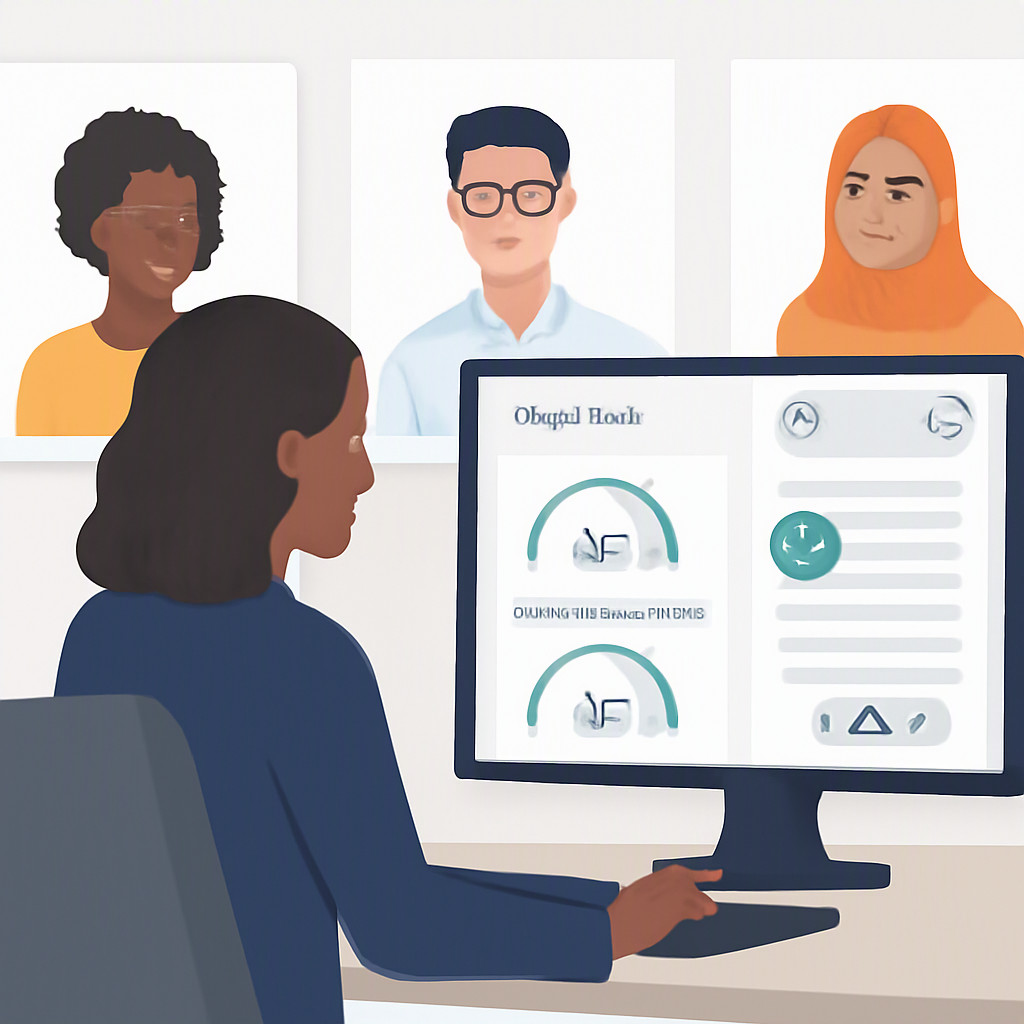
When major world events—wars, pandemics, economic crashes—dominate the news, they don’t just stay on TV screens or social media feeds. They follow employees into the office, affecting their focus, engagement, and emotional health. It’s unrealistic to expect people to compartmentalize their personal and professional lives during turbulent times.
The result? Productivity dips. Conversations around the water cooler (or in virtual meetings) become heavier. Some employees may emotionally check out entirely; others may spiral into anxiety. Left unaddressed, these issues can lead to disengagement, higher absenteeism, and even turnover.
So, what can HR leaders do? Ignoring the issue isn’t an option. Pretending everything is fine or maintaining a "business-as-usual" stance will likely make things worse, as employees feel invalidated. To maintain morale and productivity, organizations must find ways to acknowledge the impact of global crises while supporting their teams through the uncertainty.
First Steps: Acknowledge and Communicate
The first step to addressing crisis-related morale issues is deceptively simple: acknowledge what’s happening. Yet, this step is often overlooked. Why? Leaders may fear saying the wrong thing or believe it’s better to stay silent. However, silence creates a vacuum that employees will fill with their own narratives, often leading to misinformation, gossip, or feelings of abandonment.
Here’s how to take action:
- Host an Open Forum or Town Hall: Create a space where employees can express their thoughts and concerns. These sessions don’t need to solve every issue but should provide validation. Be prepared to listen more than you speak.
- Send a Thoughtful Communication: Draft a message that acknowledges the situation, shows empathy, and outlines available resources. Avoid corporate jargon or empty platitudes—be authentic and human.
- Offer One-on-One Check-Ins: Some employees may not feel comfortable speaking in group settings. Managers and HR can schedule private conversations to offer tailored support.
Actionable Tips for Effective Communication:
- Keep your tone genuine and empathetic. Avoid sounding overly formal or detached.
- Don’t overpromise solutions. Instead, acknowledge the complexity of the situation and commit to supporting employees where possible.
- Provide clear next steps, such as links to mental health resources or upcoming support sessions.
For example, a response to a global crisis might include language like: “We know that many of you are feeling the impact of [event] deeply. It’s okay to not feel okay. We’re here to support you, and we encourage you to reach out if you need help or accommodations.”
Practical Example: Screening Resumes During a Crisis
While global crises affect morale, day-to-day operations—like recruitment—don’t pause. In fact, crises often bring new challenges that require organizations to hire or restructure quickly. However, managing recruitment while also addressing employee well-being can stretch HR teams to the limit.
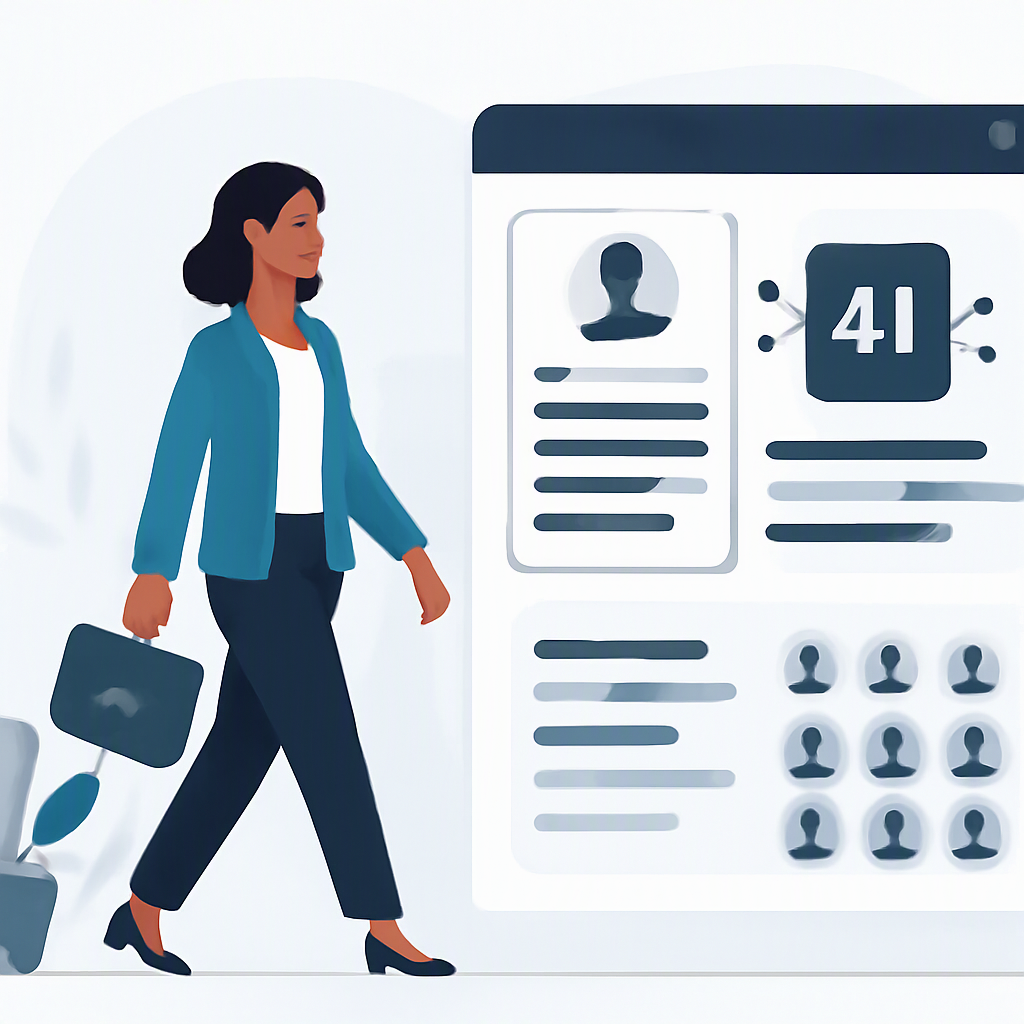
Consider this scenario: You need to hire for several critical roles while managing the emotional fallout of a global event. Manually screening hundreds of resumes isn’t just time-consuming—it’s mentally draining during an already stressful period. This is where technology can make a difference.
Streamlining Recruitment with AI Tools
Tools like TalentNext’s AI-powered resume analysis can save time and reduce stress for HR teams. Here’s how it works:
- Automated Resume Screening: AI algorithms analyze resumes and match candidates to job descriptions based on skills, experience, and keywords.
- Shortlisting the Best Fit: Instead of manually combing through applications, the tool flags top candidates for your review.
- Reducing Bias: Well-designed AI tools can help minimize unconscious bias by focusing on objective criteria.
By leveraging these tools, HR leaders can free up hours for more strategic tasks, such as addressing team morale or implementing new support systems. For example, TalentNext claims to cut recruitment time by up to 75%, allowing HR professionals to focus on their people rather than paperwork.
Address Mental Health Proactively
Crises often magnify existing mental health challenges or create new ones. Waiting until employees report burnout or anxiety is too reactive. Instead, HR leaders should take proactive steps to address mental health in the workplace.
Steps to Support Mental Health:
-
Partner with Mental Health Professionals:
- Host workshops or webinars on coping strategies and resilience.
- Provide access to licensed therapists through Employee Assistance Programs (EAPs).
- Partner with mental health apps like Headspace or Calm to offer mindfulness resources.
-
Offer Flexible Work Arrangements:
- Allow employees to work remotely or adjust their hours.
- Encourage team leads to regularly check in with their teams about workload and stress levels.
-
Create Safe Spaces for Discussion:
- Set up a dedicated Slack channel or forum where employees can share concerns or resources.
- Schedule regular group check-ins to normalize open conversations about mental health.
Tip: Consistency Matters
One email about mental health won’t move the needle. To make a meaningful impact, organizations need to embed mental health support into their culture. This means regular check-ins, ongoing resources, and visible leadership support.
Common Mistakes HR Leaders Make
Even well-intentioned HR leaders can misstep during crises. Here are three common mistakes to avoid:
-
Overloading Employees with Information: Sending a barrage of emails with links to resources can overwhelm employees. Instead, curate a handful of high-impact resources and communicate them clearly.
-
Ignoring Workplace Bias: Global crises tied to social or political issues can exacerbate biases and microaggressions in the workplace. Train managers to recognize and address these dynamics immediately.
-
Neglecting Self-Care: HR professionals often focus so much on supporting others that they neglect their own well-being. Prioritize your mental health by setting boundaries and seeking support when needed.
Comparison: Traditional vs. Proactive Crisis Management in HR
| Aspect | Traditional Approach | Proactive Approach |
|---|---|---|
| Communication | Generic emails or silence | Empathetic, specific, and transparent |
| Mental Health Support | Reactive (after issues arise) | Proactive (workshops, resources, check-ins) |
| Recruitment During Crisis | Manual and time-consuming | Automated and focused on high-value tasks |
| Employee Feedback | One-size-fits-all surveys | Multiple channels, including anonymous |
| HR Self-Care | Often neglected | Prioritized alongside team well-being |
Final Thoughts
Global crises are unpredictable, but their impact on workplaces is not. HR leaders play a critical role in guiding employees through uncertainty. By acknowledging the challenges, leveraging tools like TalentNext, and emphasizing mental health, you can help your team navigate tough times with resilience.
Remember: you don’t have to do it all. Prioritize what matters most—your people. Invest in both empathy and efficiency to create a workplace that supports employees during crises and beyond. If recruitment is adding to your stress, consider tools like TalentNext to lighten the load. Learn more here →