300+ Applications. 1 Recruiter. What Could Go Wrong?
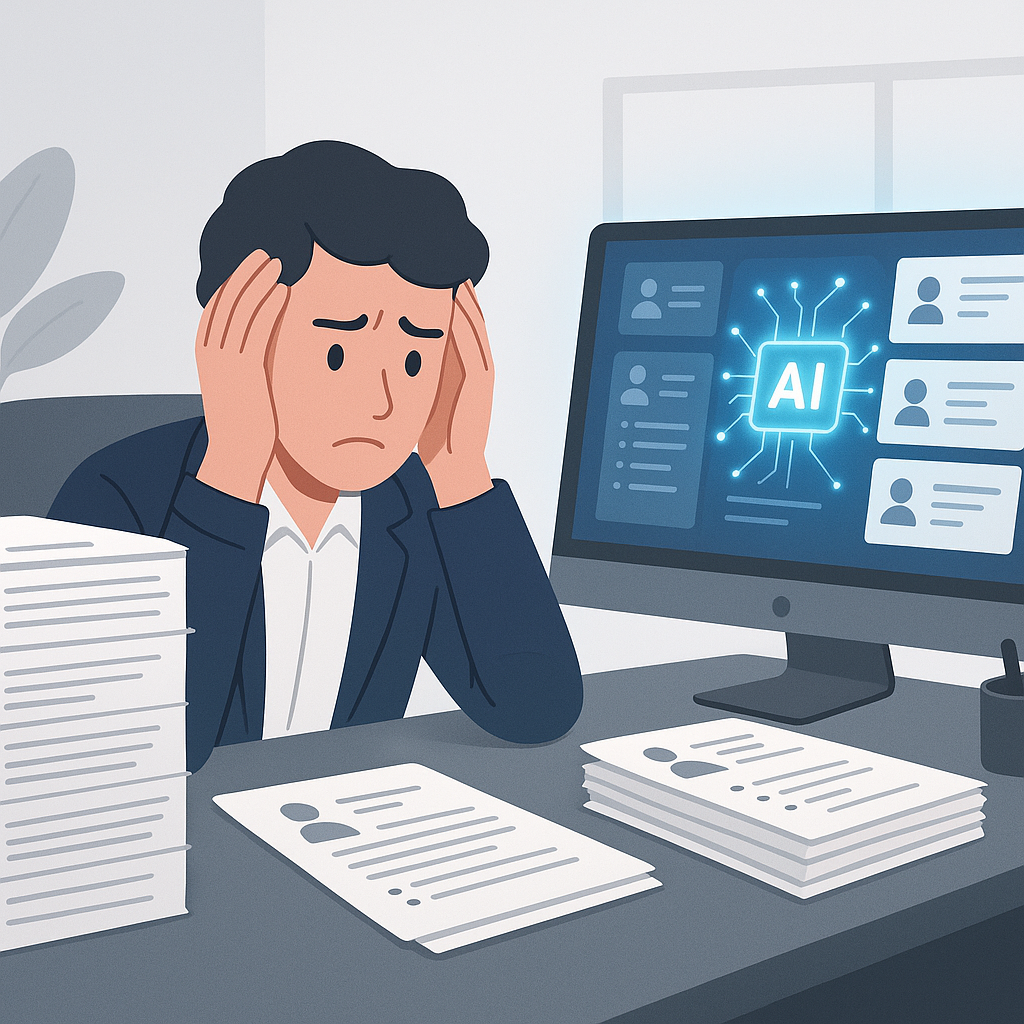
If you’re in recruitment, you’ve felt it. Job postings, especially for high-volume roles, are pulling in more resumes than ever. A single customer service job can attract over 300 applicants in just a few days. According to SHRM, recruiters spend an average of 23 hours screening resumes for one role. That’s almost three full workdays. And here’s the kicker: most of those resumes won’t even come close to matching the job description.
Why is this happening? A few reasons:
- Job boards make applying too easy. With one-click applications, candidates can shotgun their resumes to dozens of roles without much thought.
- Generic resumes flood the system. Many applicants don’t bother tailoring their CV to the job, leaving recruiters with irrelevant submissions.
- Post-pandemic job shifts. More people are changing industries, leading to a surge in applications for entry-level and transferable-skill roles.
The result? Recruiters are drowning in resumes, and great candidates are slipping through the cracks. Let’s explore why this issue persists and how you can tackle it head-on.
Why Manual Screening Doesn’t Work Anymore
Let’s break this down. Suppose you receive 300 resumes. Even if you spend just one minute on each, that’s five hours—non-stop, no coffee breaks. But we know that’s not realistic. Realistically, you’ll skim some, ignore others, and inevitably miss a standout candidate because their formatting annoyed you or you overlooked a key detail.
And here’s the real problem: manual screening is biased and inconsistent.
Think about it. Early in the day, you’re fresh and focused. By the 200th resume, you're tired, rushing through, and probably less attentive. It’s human nature. That’s how unqualified candidates end up in interviews while qualified ones get lost in the shuffle.
Here’s a real-world example: A study by Harvard Business Review showed that recruiters spend just 7.4 seconds on average reviewing a resume. That’s barely enough time to catch critical details, let alone evaluate a candidate’s fit thoroughly.
Manual screening also opens the door to unconscious bias. A candidate’s name, address, or even the format of their resume can sway judgment, often without the recruiter even realizing it. This isn’t just inefficient—it’s unfair.
Recruiters need a better system—one that’s fast, fair, and reliable.
The Solution: AI-Powered Resume Screening
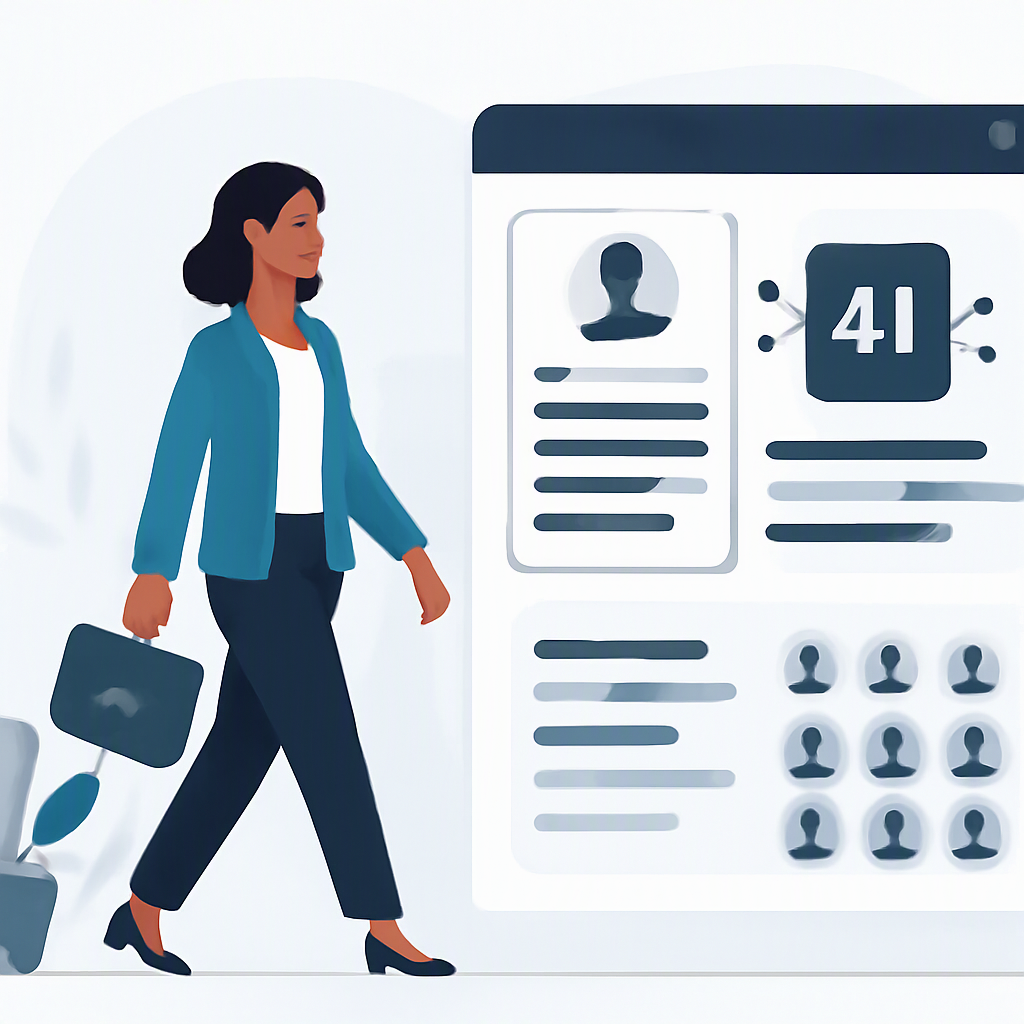
This is where AI tools like TalentNext shine. Instead of manually combing through resumes, you can upload the entire batch—whether it’s 50 or 500—and let the system do the heavy lifting. Here’s how it works:
- Bulk Resume Upload: Drag and drop hundreds of resumes at once. No more opening individual files or sorting through attachments.
- Automated Scoring: The AI matches each resume to the job description, analyzing skills, experience, and keywords. It then assigns a score to every candidate based on how well they fit the role.
- Candidate Scorecards: You get a ranked list of candidates with detailed insights into why they’re a good match—or not. Think of it as a cheat sheet for smarter hiring decisions.
Case Study: TalentNext in Action
One recruiter I worked with shared how TalentNext cut their screening time from 12 hours to just 3 hours for a large hiring campaign. They were hiring 50 customer service representatives and received over 1,000 applications. By using AI to pre-screen the resumes, they quickly identified the top 100 candidates and focused their energy on interviewing the best fits. The result? They filled all 50 roles in record time, with a 25% improvement in retention rates compared to their previous hiring process.
Here’s another example: A mid-sized tech company used AI to screen applications for a software developer role. Out of 600 applicants, the AI flagged 50 candidates who had the exact tech stack experience mentioned in the job description. The hiring manager noted that it was the most efficient recruitment process they’d ever experienced.
But What About False Negatives?
You might be thinking, "What if the AI misses someone great?"
Fair question. No system is perfect, and AI is no exception. However, the goal isn’t to replace recruiters—it’s to empower them. Instead of spending hours on initial screening, you can focus on the human side of hiring: interviewing, engaging, and building relationships.
Plus, tools like TalentNext allow you to review the scorecards and tweak the criteria. If you notice the system is overlooking certain profiles, you can adjust the weight of specific skills or keywords. It’s like having a superpower—but you’re still in control.
Practical Tips for Handling High Application Volume
Even with AI, you need a strategy. Here’s what I recommend:
-
Write Clear Job Descriptions: Be specific about must-have skills and experience. Include details like required certifications, software proficiency, and years of experience. The clearer you are, the fewer irrelevant applications you’ll get.
Example: Instead of saying "Proficient in Excel," specify "Advanced proficiency in Excel, including pivot tables and macros."
-
Use Pre-Screening Questions: Ask candidates to answer short, job-relevant questions before submitting their resumes. For instance, "Do you have experience with [specific software]?" or "Are you willing to work weekends?" These questions can act as an initial filter.
-
Set Up Scoring Criteria: Define what matters most for the role—technical skills, certifications, or years of experience—and let the AI prioritize accordingly. For example, you might weigh technical skills at 50%, relevant experience at 30%, and education at 20%.
-
Review the Top 10% Manually: Once the AI narrows the pool, spend time on the top candidates. This ensures no one exceptional gets overlooked.
-
Communicate with Candidates: Use automated tools to send updates. Even a simple "Thanks for applying" can improve the candidate experience and protect your employer brand.
Comparison Table: Manual Screening vs. AI Screening
| Feature | Manual Screening | AI Screening with TalentNext |
|---|---|---|
| Time per 300 resumes | ~23 hours | ~1-3 hours |
| Risk of human bias | High | Low |
| Consistency | Varies | High |
| Candidate prioritization | Manual | Automated |
| Scalability | Limited | High |
The Bottom Line
Recruiters shouldn’t be spending their days buried in resumes. It’s a waste of time, energy, and talent. AI-powered tools like TalentNext make it possible to process hundreds of applications in minutes, not hours. That’s time better spent building relationships with top candidates and making smarter hiring decisions.
If you’re still manually slogging through hundreds of resumes, it’s time to rethink your process. Because let’s face it: your competition probably isn’t.
Need to save time on resume screening? Try TalentNext and experience the difference. Get started free →