Why AI is Transforming Recruitment in 2026
Recruitment has undergone a significant transformation in recent years. Traditional methods of manually screening resumes and managing job applications have proven to be time-consuming and inefficient. AI hiring tools are now stepping in to address these challenges, making recruitment faster, more precise, and less prone to human error.
The Problem: Manual Screening is a Productivity Challenge
Recruiters often face the daunting task of sifting through hundreds of resumes for a single job posting. Identifying qualified candidates amidst a sea of applications can be overwhelming and time-intensive. Additionally, manual review processes can be inconsistent, as different recruiters may evaluate resumes differently, potentially leading to great candidates being overlooked. Unconscious bias can also creep into the process, further complicating hiring decisions.
The Solution: AI-Powered Resume Screening
AI hiring tools are designed to automate the most time-consuming parts of recruitment, such as resume screening and candidate matching. These tools use machine learning algorithms to analyze resumes and match them to job descriptions quickly and efficiently.
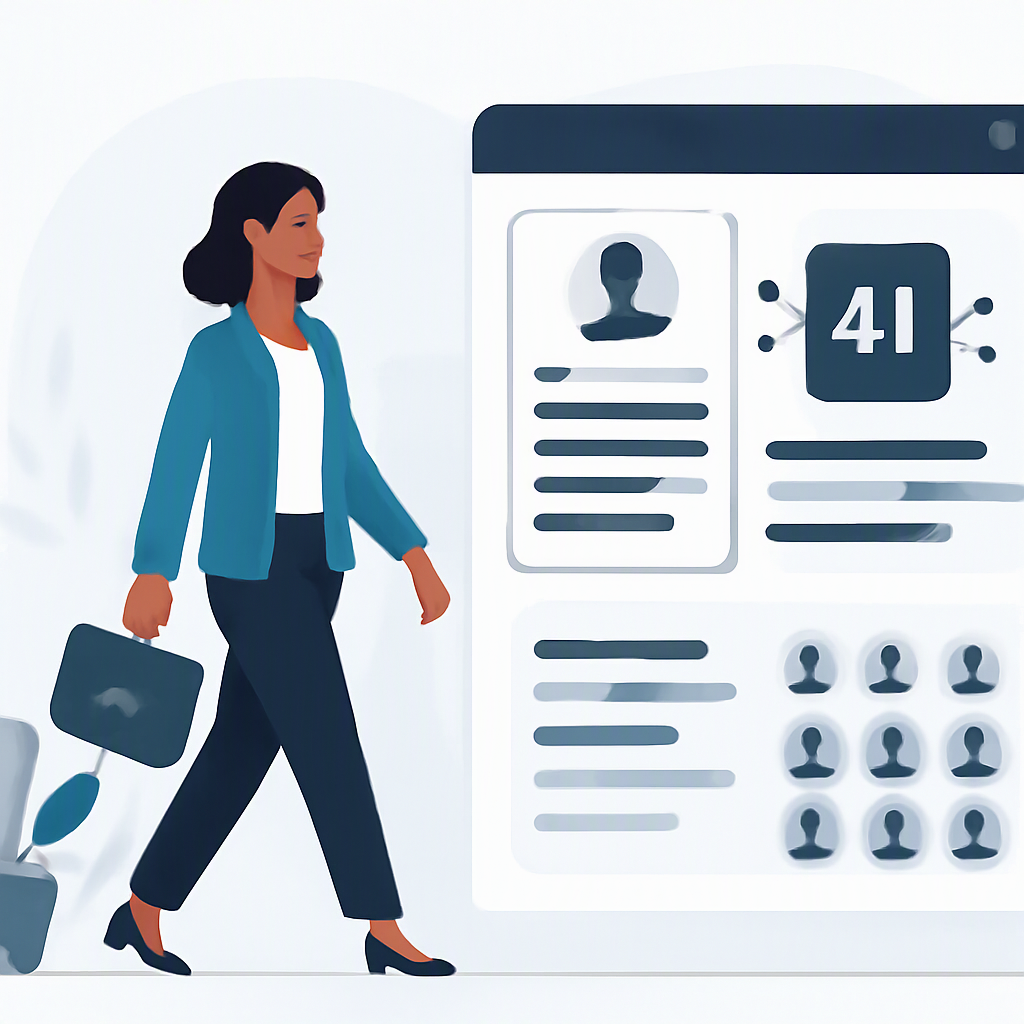
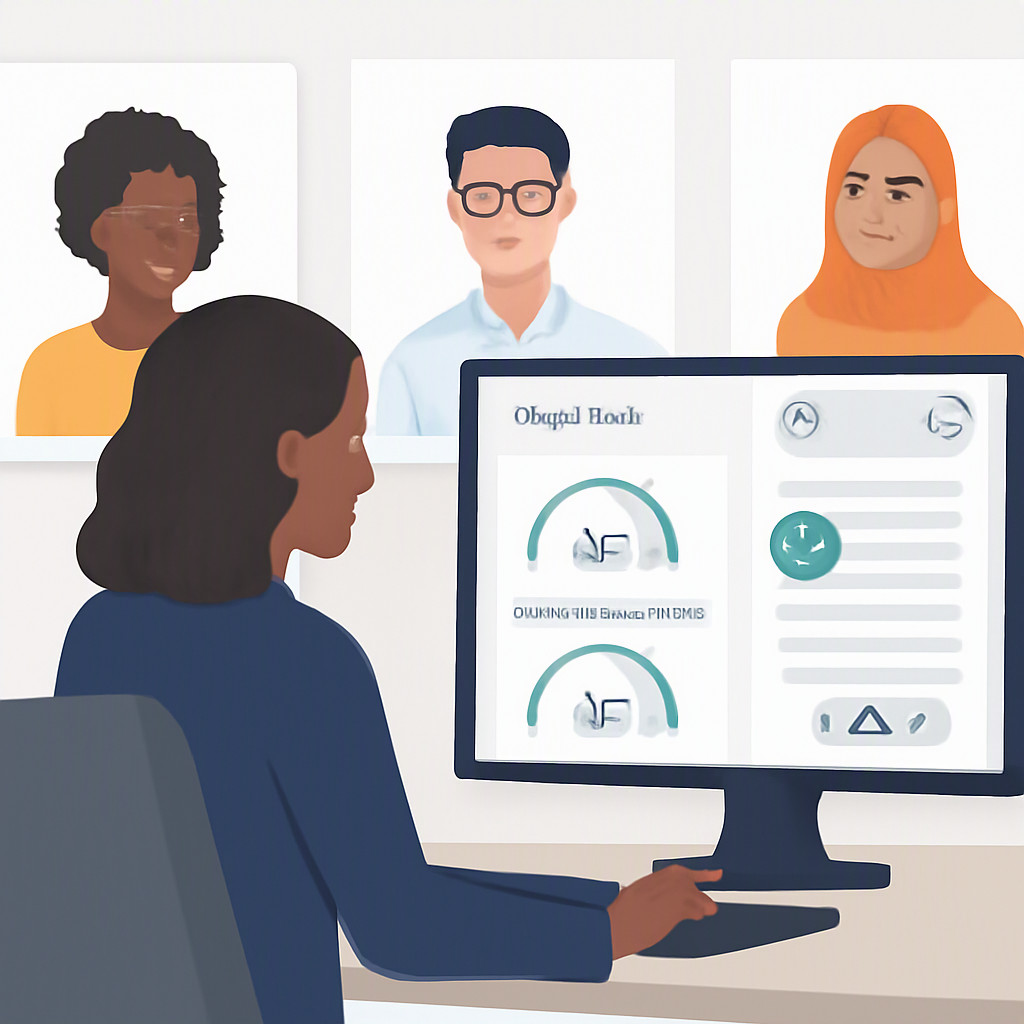
Illustrative example — Imagine you’re hiring a software developer and upload a job description to an AI hiring platform. The tool analyzes the requirements, compares them to a pool of resumes, and generates a ranked list of candidates based on their suitability for the role. Additionally, it may provide a candidate scorecard, offering insights into how well each candidate aligns with the job criteria. This allows recruiters to focus their time on interviewing the most promising candidates.
Why This Matters in 2026
The hiring market continues to evolve, with skilled candidates applying for fewer roles while companies face an influx of unqualified resumes. This imbalance increases the pressure on HR teams to identify the right candidates quickly and efficiently. AI hiring tools are bridging this gap by enabling recruiters to focus on matching skills with job requirements, ultimately improving the quality of hires.
Common Concerns About AI in Recruitment
One of the primary concerns about AI hiring tools is the potential for bias. Algorithms trained on historical data may inadvertently reinforce biases, such as favoring certain demographics or filtering out qualified candidates unfairly. To address this, many AI hiring tools are designed to prioritize job-relevant skills and experience, minimizing the influence of factors like gender or age. However, human oversight remains essential to ensure fairness and accuracy in the recruitment process.
What’s Next for AI Hiring Tools?
The future of AI in recruitment is not just about speed or bias reduction. It’s about leveraging data to make smarter hiring decisions. Emerging technologies are exploring ways to predict employee retention, assess leadership potential, and analyze soft skills through video interviews. While these advancements show promise, they also raise questions about trust and fairness, which must be addressed for widespread adoption.
Practical Advice for Recruiters
If you’re considering adopting an AI hiring tool, here are some tips to ensure a smooth transition:
- Start Small: Test AI on a limited number of roles before scaling its use across your organization.
- Audit the Algorithm: Regularly review the AI’s decision-making process to ensure it aligns with your hiring goals and is free from bias.
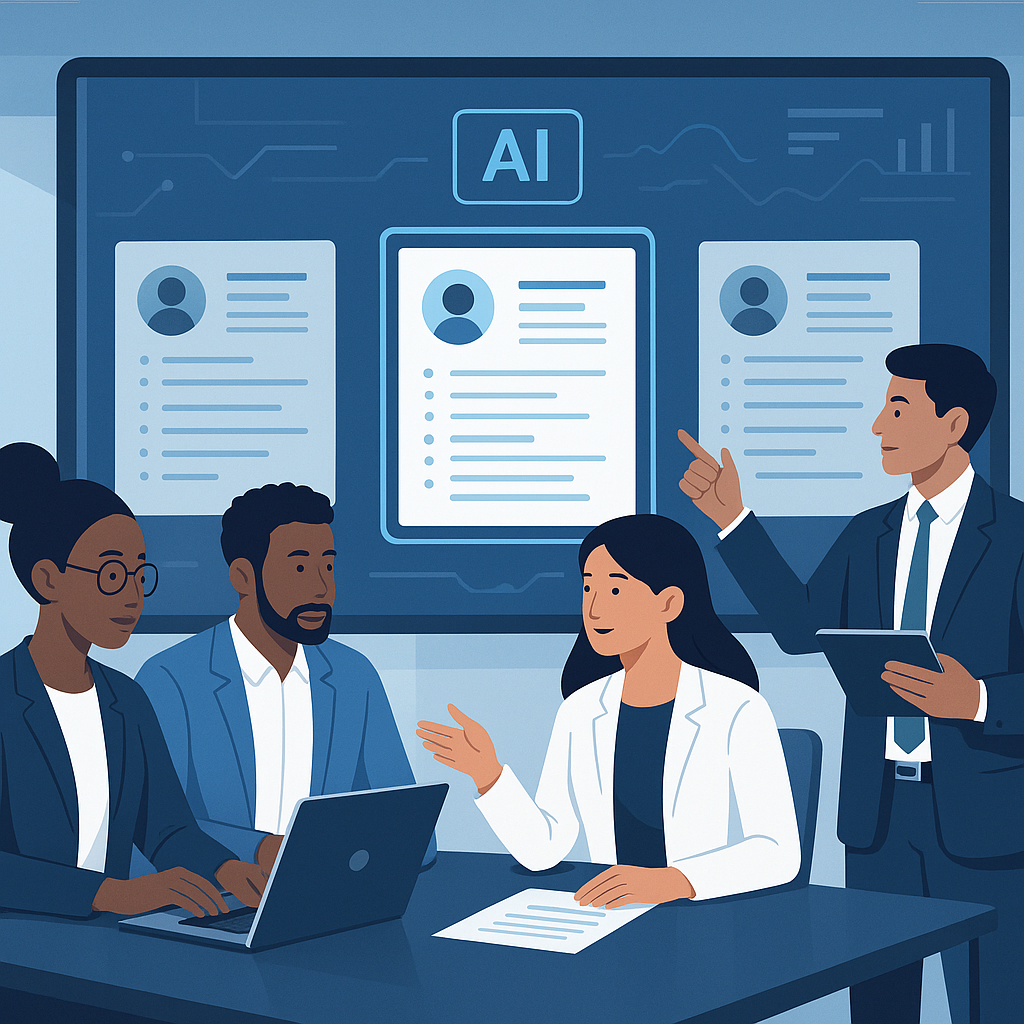
- Combine AI with Human Judgment: Use AI to assist in shortlisting candidates, but rely on human expertise for final decisions.
- Train Your Team: Provide training to your recruitment team on how to interpret and utilize AI-driven insights effectively.
- Communicate Clearly with Candidates: Be transparent about how their applications are being evaluated and offer constructive feedback when possible.
Wrapping Up
AI hiring tools are reshaping the recruitment landscape by automating tedious tasks, improving efficiency, and enhancing the quality of hires. While these tools offer significant advantages, their effectiveness depends on how they are implemented and monitored. By combining AI with human judgment and addressing potential biases, recruiters can leverage these technologies to hire smarter and faster in 2026.