The DOL Just Changed the Rules—Again
If you’re an HR professional, you probably saw this coming. The Department of Labor (DOL) has officially rescinded the Biden-era overtime rule, reverting to the 2019 salary threshold for overtime pay. For context, the Biden rule was set to raise the salary threshold to $55,000 annually. Now? It stays at $35,568.
What does this mean for recruiters and hiring managers? A lot, actually. This isn’t just a compliance issue; it’s a workflow disruption. You’ll need to reassess job postings, compensation packages, and how you evaluate candidates. And if you’re managing high applicant volumes, the changes can slow you down—unless you adapt quickly.
Compliance Meets Chaos
Every time employment laws shift, it’s recruiters and HR teams who clean up the mess. Misclassifying employees or failing to comply with overtime rules can lead to lawsuits, fines, and damaged reputations. And let’s be clear: nobody wants to explain to leadership why they’re suddenly on the DOL’s radar.
Why Compliance is Non-Negotiable
Compliance isn’t just about avoiding penalties—it’s about protecting your organization’s reputation. The DOL collected $213 million in back wages for workers in 2022 alone, with misclassification and overtime violations topping the list of employer missteps (source). Beyond financial penalties, publicized violations can damage your organization’s employer brand, making it harder to attract top talent.
But here’s the kicker: most HR teams are already stretched thin. When you’re spending hours sifting through hundreds of resumes, who has time to deep-dive into compliance changes? That’s where tools like TalentNext come in.
Tools That Save Time (and Your Sanity)
Take bulk resume uploads, for example. Instead of manually screening resumes one by one, TalentNext lets recruiters process them in batches. Add AI-driven scoring, and it becomes easier to identify candidates whose salary expectations align with the updated thresholds. This isn’t just about saving time—it’s about reducing errors when compliance stakes are high.
The Hidden Impact on Candidate Screening
Let’s talk about the ripple effect. With the threshold staying at $35,568, recruiters now face a dual challenge:
- Screening for roles that balance budget constraints and compliance.
- Identifying candidates who meet the job’s requirements but don’t demand overtime-eligible salaries.
Why This Matters More Than You Think
Say you’re hiring for a customer service role with a $40,000 salary. Under the rescinded rule, this would have been above the $35,568 threshold, making the position exempt from overtime pay. But what if a candidate expects $60,000? Without proper screening, you might waste time interviewing someone who’s not aligned with the role’s pay structure—or worse, misclassify the role and risk non-compliance.
Case Study: How AI Solves Screening Issues
One mid-sized retail company shared their experience implementing TalentNext. Before adopting AI tools, their HR team manually screened over 500 resumes per month. With overtime compliance changes, they struggled to keep up. After implementing TalentNext, they reduced resume screening time by 70% and avoided a costly misclassification issue during a DOL audit.
The takeaway? AI-powered tools like TalentNext don’t just match candidates to job descriptions—they flag potential mismatches. For example, they can identify a candidate expecting $60,000 for a role budgeted at $40,000, saving you time and reducing compliance risks.
Without this kind of tech, you’re stuck manually cross-referencing resumes, salary expectations, and job requirements. It’s a recipe for burnout and mistakes.
Efficiency Isn’t Optional Anymore
Here’s a stat that should scare you: manual resume screening takes an average of 23 hours for a single role, according to TalentNext’s own data. With the overtime rule changes, those 23 hours will feel even longer as you second-guess your compliance checks.
Breaking Down the Numbers
- Average time spent per resume: 6 minutes.
- Average number of resumes per role: 230.
- Time saved with AI tools: 75% (17 hours per role).
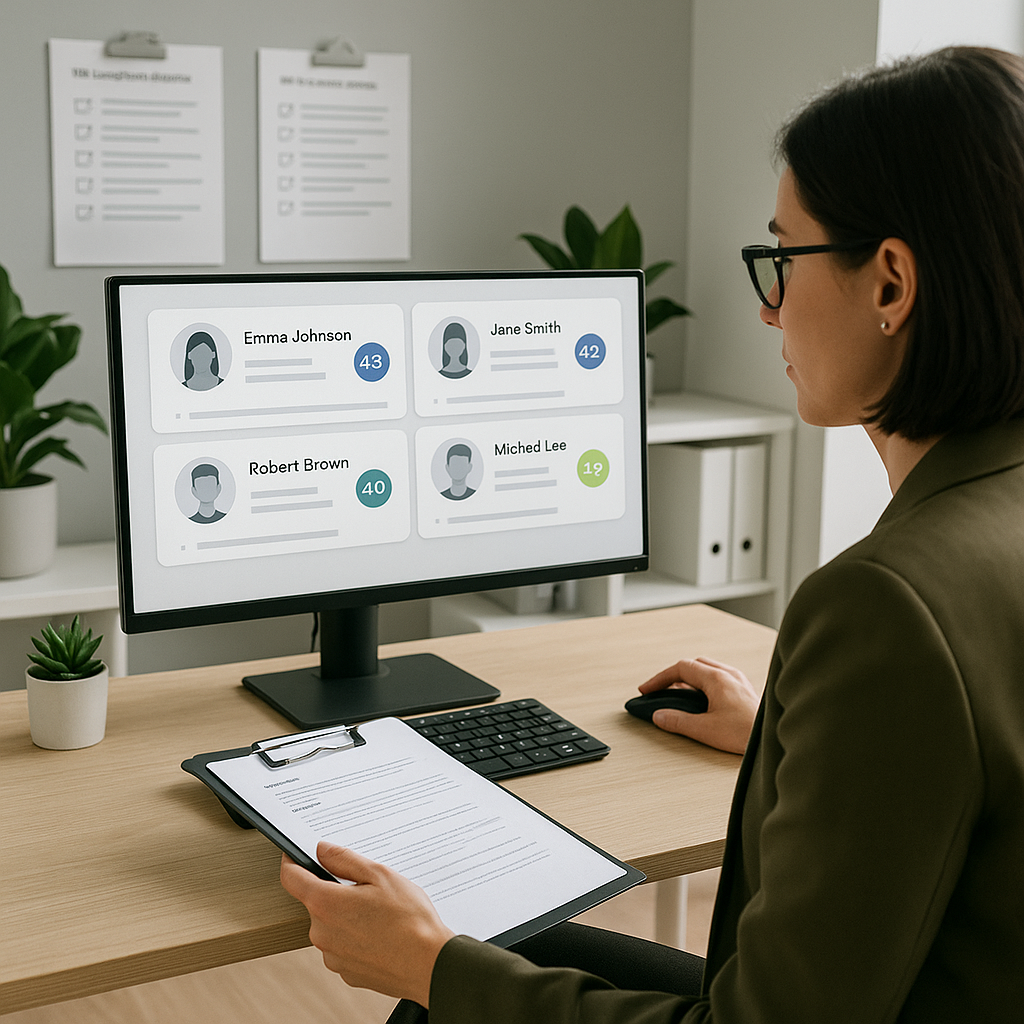
By automating the repetitive (and frankly mind-numbing) parts of the screening process, AI tools like TalentNext cut this time significantly. The platform’s candidate scorecards give you an instant read on job-match strength, salary alignment, and even potential compliance risks.
Addressing Bias Concerns
You might be thinking, "Okay, but what about biases?" Good question. TalentNext is designed with EEOC-aligned algorithms to help reduce unconscious bias. So, not only are you saving time, but you’re also making more equitable hiring decisions. For example, the platform anonymizes candidate demographics during initial screenings, allowing recruiters to focus solely on qualifications.
What’s Next for Recruiters?
This rule change won’t be the last. Employment laws are in constant flux, and staying compliant while maintaining hiring efficiency will always be a challenge. The good news? The right tools can make all the difference.
Actionable Steps to Stay Ahead
- Audit Your Current Processes: Identify bottlenecks in your recruiting workflow. Are manual compliance checks taking too long? Are you relying on outdated tools?
- Invest in AI-Powered Platforms: Platforms like TalentNext aren’t just "nice to have" anymore—they’re essential for navigating today’s HR landscape.
- Train Your Team: Ensure your HR staff understands the updated overtime thresholds and how to use AI tools effectively.
- Monitor Changes: Employment laws are dynamic. Stay informed by subscribing to updates from the DOL or trusted HR publications.
Comparison Table: Manual vs. AI-Powered Screening
| Category | Manual Screening | AI-Powered Screening |
|---|---|---|
| Time per resume | ~6 minutes | ~1.5 minutes |
| Error risk | High | Low |
| Compliance checks | Manual, prone to oversight | Automated, integrated |
| Bias reduction | Limited | EEOC-aligned algorithms |
| Scalability | Difficult for high volumes | Effortless, regardless of volume |
If you’re struggling to keep up with compliance changes while managing high applicant volumes, TalentNext can help. Get started free →