Why Employers Are Racing to Adopt AI Tools
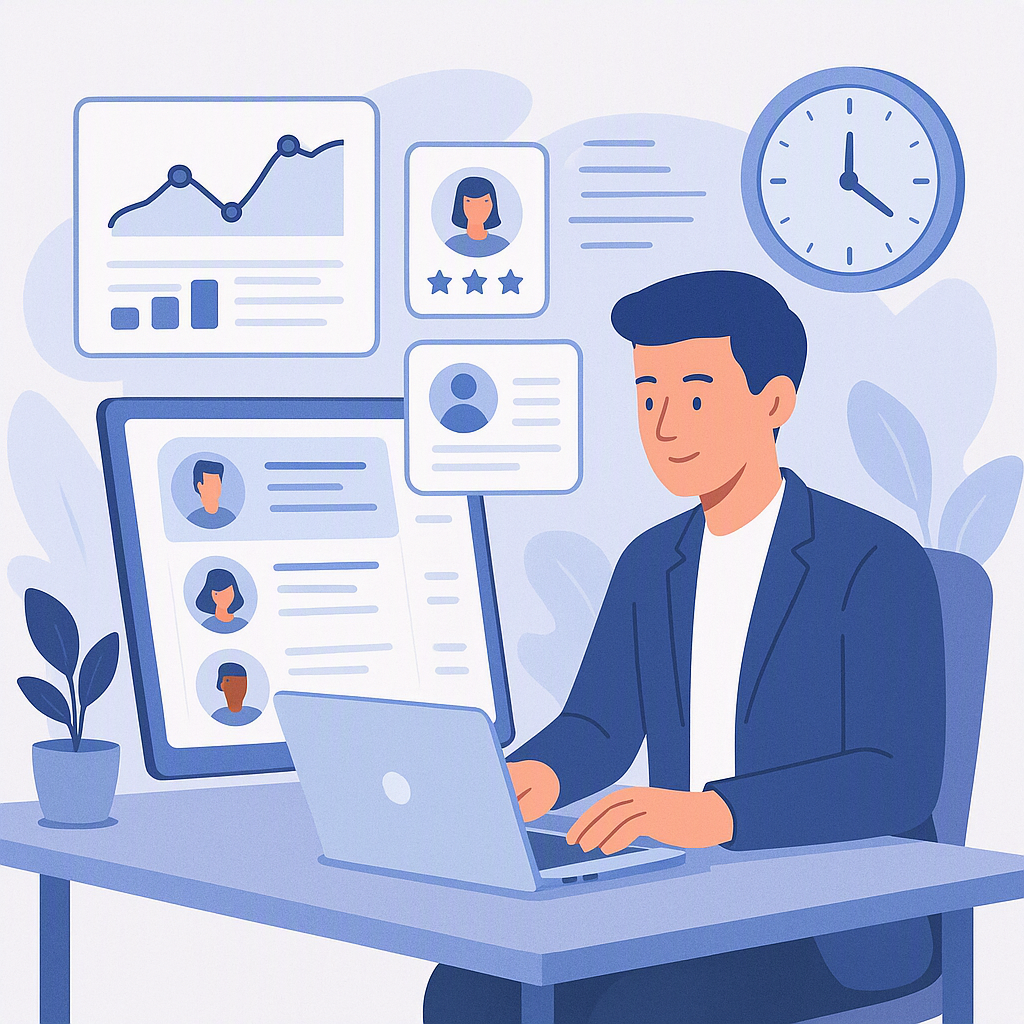
Let’s start with the obvious: AI tools promise speed and efficiency. Hiring managers are drowning in resumes—some roles attract over 300 applications. Manually screening each one can take up to 23 hours, according to TalentNext’s own data. That’s brutal. AI-powered platforms like TalentNext cut resume screening time by 75%, making adoption a no-brainer.
AI tools don’t just save time—they often improve accuracy. For example, platforms like TalentNext use natural language processing (NLP) to identify nuanced skills and qualifications hidden in resumes. A recruiter might miss a candidate’s experience in "Python for data visualization" if it’s buried under unrelated job duties, but AI flags it immediately.
However, there’s more to the story. While companies love the idea of saving time, they often skip a crucial step—training their teams to use these tools effectively. And that causes problems.
The Training Gap: What Happens When You Skip It
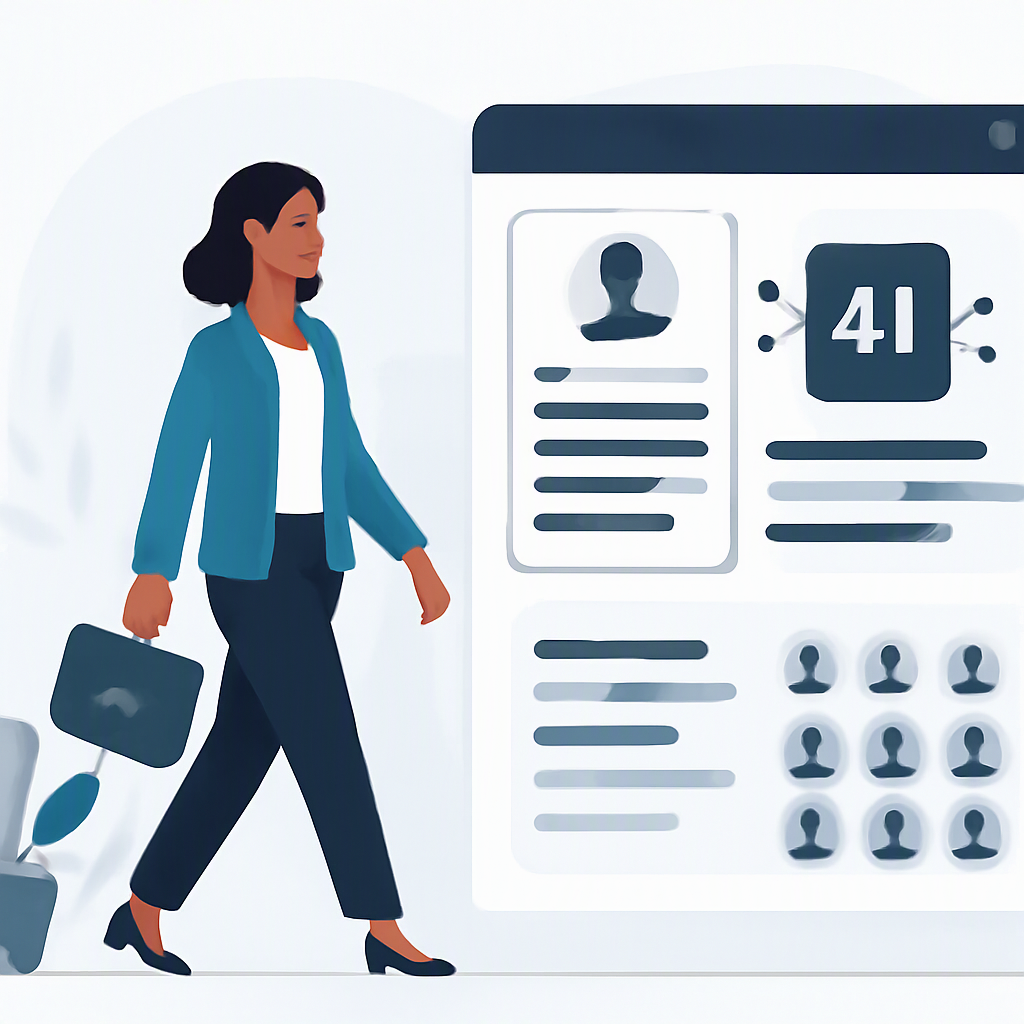
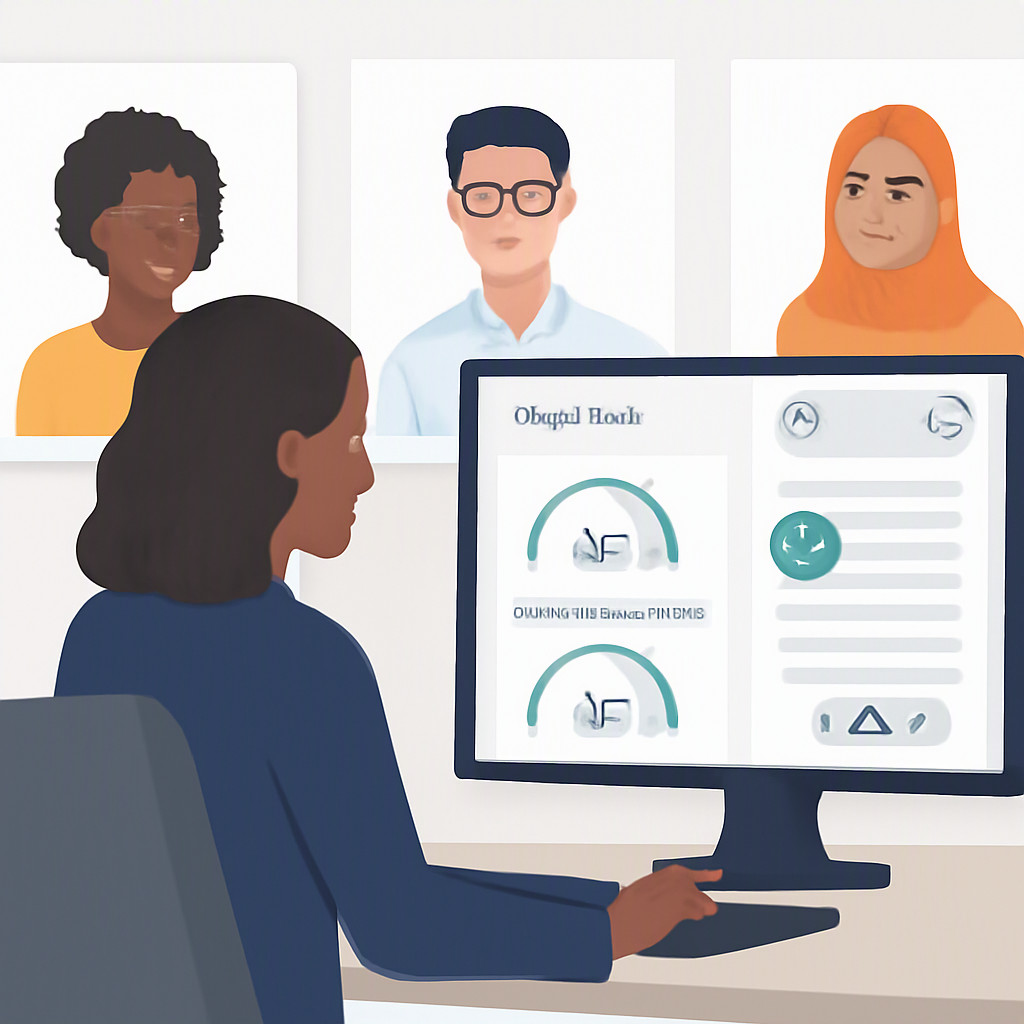
Employers assume AI tools are plug-and-play. They’re not. Without proper training, recruiters misuse features or fail to interpret AI-generated insights. For example, TalentNext’s candidate scorecards rank applicants based on job-match strength. That’s powerful—but only if recruiters know how to read and act on these scores. I've seen teams reject top talent because they misunderstood how the scoring works.
Take this case study: A mid-sized tech company adopted TalentNext to streamline hiring for software engineer roles. Their recruiters misinterpreted the "candidate match percentage," assuming that any score below 80% was unacceptable. In reality, the tool uses benchmarks specific to each job description, meaning that a 75% match might signal a highly qualified candidate for niche roles. Misuse led to several missed opportunities and prolonged hiring timelines.
Another issue? Over-reliance. AI can flag resumes that match keywords, but it can’t assess soft skills or culture fit. Untrained recruiters often lean too heavily on AI, ignoring red flags the tool can’t catch. For example, someone might have impeccable technical skills on paper but fail to demonstrate collaboration or leadership in interviews. That’s how bad hires happen.
Why Employers Skip Training
You might think the issue is cost. It’s not. Most AI vendors include training resources. The real problem is time—or the lack of it. Employers adopt AI tools during crunch periods, like hiring surges or layoffs. They’re desperate to get results fast and see training as a delay. Ironically, skipping training often leads to more delays when mistakes pile up.
Consider the numbers: The average cost of a bad hire is estimated at 30% of the employee’s annual salary, according to the U.S. Department of Labor. Skipping training to save a few hours upfront can result in tens of thousands of dollars in losses later.
There’s also a mindset problem. Employers assume their teams will “figure it out.” Maybe they will, but at what cost? Missteps in recruitment can hurt your employer brand, drive up turnover costs, and even lead to legal risks (hello, EEOC compliance issues).
Fixing the AI Training Gap
So, what’s the solution? Don’t wait until problems arise. Here’s a practical approach:
-
Start Training Early: Integrate AI training into the onboarding process. TalentNext offers guided tutorials and real-time support, so there’s no excuse to skip this. For example, during the onboarding phase, recruiters can learn how to upload bulk resumes, process job descriptions, and interpret candidate scorecards.
-
Focus on Real Scenarios: Training shouldn’t be theoretical. Use sample resumes and job descriptions to show recruiters how to interpret AI-generated insights. For instance, walk them through TalentNext’s bulk resume upload feature and explain how to prioritize candidates based on scorecards. Share examples of real-world hiring errors caused by misunderstanding AI data.
-
Assign AI Champions: Designate team members to become “AI experts.” These champions can troubleshoot issues, coach others, and keep the team updated on product changes. This works especially well in large teams where consistent knowledge sharing is critical.
-
Combine AI with Human Judgment: Make it clear that AI tools are assistants, not decision-makers. For example, use TalentNext to screen high volumes of resumes but rely on recruiters for final cultural fit assessments. Structure workflows so humans always have the final say.
-
Create Continuous Learning Opportunities: AI tools evolve rapidly. Schedule quarterly refresher sessions to keep your team aligned with new features and best practices.
Comparison Table: Manual Screening vs AI-Assisted Screening
| Aspect | Manual Screening | AI-Assisted Screening |
|---|---|---|
| Time Efficiency | ~23 hours for 300 resumes | ~6 hours (75% reduction) |
| Accuracy | Prone to oversight | Flags hidden skills and qualifications |
| Soft Skills Assessment | Human recruiters excel | Requires human judgment |
| Scalability | Limited by recruiter bandwidth | Handles large volumes effortlessly |
| Compliance Support | Relies on recruiter expertise | Built-in EEOC compliance checks |
The Risks of Ignoring Training
Let’s be blunt: skipping training can backfire in expensive ways. Here’s what happens:
- Lower ROI on AI Tools: You’re paying for features your team doesn’t use correctly—or at all.
- Brand Damage: Misusing AI can lead to bad hires, hurting team morale and your reputation.
- Compliance Issues: Without training, recruiters might ignore regulations like EEOC guidelines, which TalentNext’s AI helps navigate.
Case study: A retail company faced an EEOC investigation after their recruiters unknowingly applied biased keyword filters that disproportionately excluded minority candidates. Proper training on TalentNext’s compliance features could have prevented this costly mistake.
How TalentNext Bridges the Training Gap
TalentNext isn’t just about cutting screening time. It’s designed to be intuitive, with built-in feedback systems that guide users through the hiring process. For example, recruiters can instantly post jobs from uploaded descriptions and receive actionable insights on candidates. But we’ve learned that even an easy-to-use tool benefits from training.
Our platform offers interactive tutorials, personalized support, and dynamic dashboards. Recruiters don’t just learn how to use TalentNext—they learn how to use it well. That’s how you close the training gap and maximize ROI.
Final Thoughts
Employers adopt AI tools faster than they train workers because they’re chasing short-term wins. But skipping training invites long-term headaches. If you’re serious about leveraging AI in recruitment, invest in your team’s readiness. It’s not just about tools—it’s about people.
If you're dealing with inefficient resume screening, TalentNext can help. Get started free →