Gen Z's Arrival: A Wake-Up Call for Recruiters
The youngest Gen Zers are entering the workforce, and they’re not here to play by old rules. Unlike previous generations, they’re bringing a mix of high expectations and skepticism. They’ve grown up in a world of student debt, economic uncertainty, and constant digital connectivity. Is it any surprise they’re more selective about jobs?
Here’s what we know: Gen Z values purpose, flexibility, and transparency. They want to work for companies that align with their ethics, offer genuine career growth, and respect their time. If your hiring process doesn’t reflect these priorities, you’re already behind.
The Problem: Recruitment Is Stuck in the Past
Let’s be honest—recruitment hasn’t caught up to Gen Z’s expectations. Many hiring processes are clunky, slow, and opaque. Worse, recruiters often waste hours sifting through resumes that don’t match the job description.
Think about it: Would a 22-year-old who grew up with TikTok’s instant gratification wait weeks to hear back about a job application? (Spoiler alert: No.) According to a 2023 LinkedIn report, 47% of Gen Z applicants abandon applications if they don’t hear back within two weeks. That’s almost half your talent pool gone because your process is too slow.
Real-World Example: The "Ghosting Epidemic"
This issue isn’t theoretical. One case study from a mid-sized technology company showed that nearly 40% of their Gen Z applicants stopped responding after two weeks of silence. That’s thousands of dollars wasted in recruitment efforts and lost potential hires who might have been perfect fits. The hiring manager admitted that delays in communication were their biggest weakness.
The Solution: AI-Powered Resume Screening
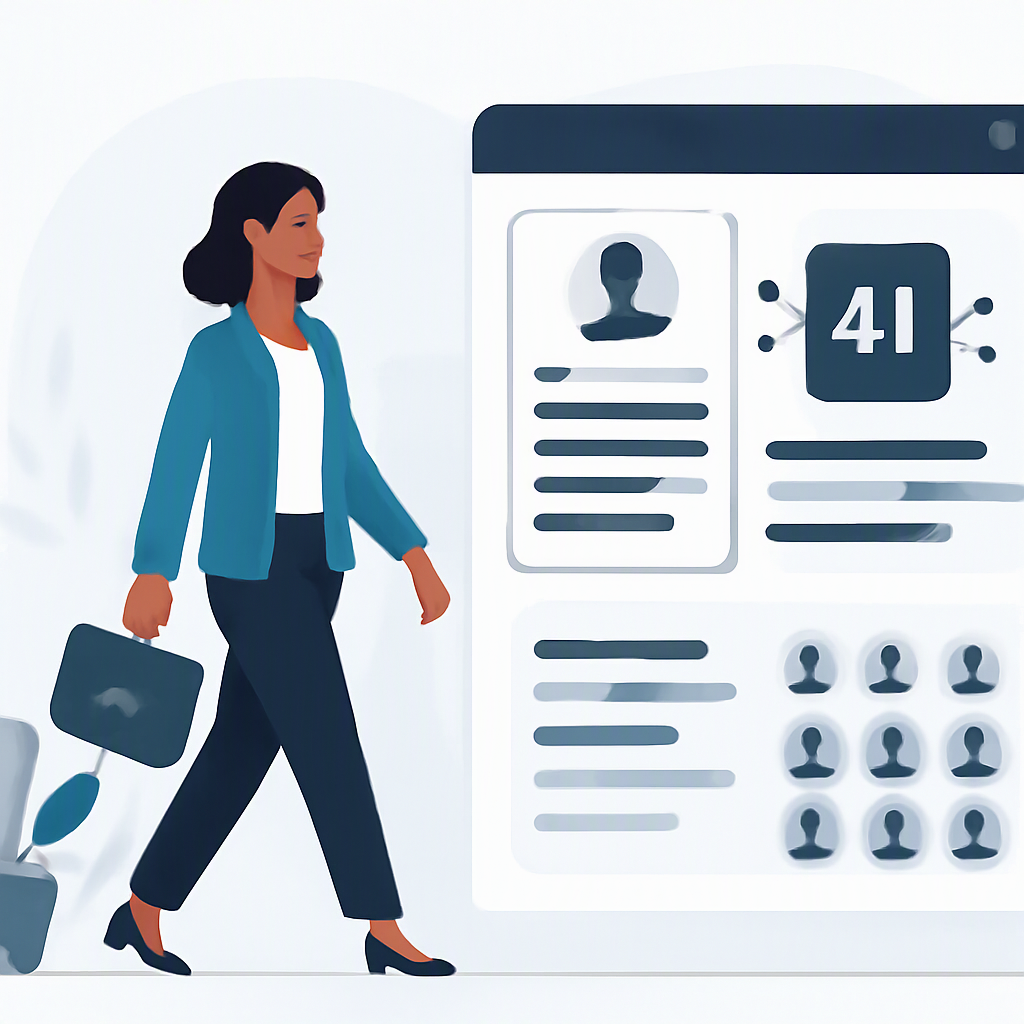
This is where platforms like TalentNext come in. One of the biggest bottlenecks in hiring is resume screening. Recruiters spend hours manually reviewing resumes, only to find that most don’t meet the job’s requirements. TalentNext’s AI-powered screening cuts that time by up to 75%. Instead of slogging through a pile of unqualified candidates, you get a shortlist of top matches almost instantly.
Here’s how it works: Upload a job description, and the platform scores resumes based on how well they align with the role. It’s not just about keywords—it analyzes skills, experience, and even soft factors like adaptability. For Gen Z candidates, this means faster feedback and a fairer shot at jobs. For recruiters, it means less time wasted and more time engaging top talent.
Actionable Steps for Recruiters:
- Set clear benchmarks for resume screening: Define what qualifications or traits are non-negotiable for the role.
- Leverage AI tools like TalentNext: Automate the process to avoid wasting time on unqualified candidates.
- Communicate with candidates promptly: Use AI-generated insights to provide feedback within days, not weeks.
What Gen Z Wants (And What You Should Do About It)
1. Purpose Over Perks
Gen Z cares about what your company stands for. According to a 2022 Deloitte survey, 77% of Gen Z respondents said it’s important that their employer’s values align with their own. So, if your job postings focus on snacks and ping-pong tables, you’re missing the point.
Instead, showcase your mission. Highlight your impact on the community or your sustainability efforts. And make sure your hiring tools reflect this. TalentNext, for example, lets you add custom filters to prioritize candidates who align with your company’s values.
Case Study: Patagonia’s "Purpose-Driven Hiring"
Patagonia, the outdoor apparel company, has long emphasized its commitment to environmental sustainability. They incorporate their mission into every job posting and interview process. As a result, they attract candidates who are not only skilled but deeply passionate about their core values. This alignment leads to higher retention rates and employee satisfaction.
2. Speed and Transparency
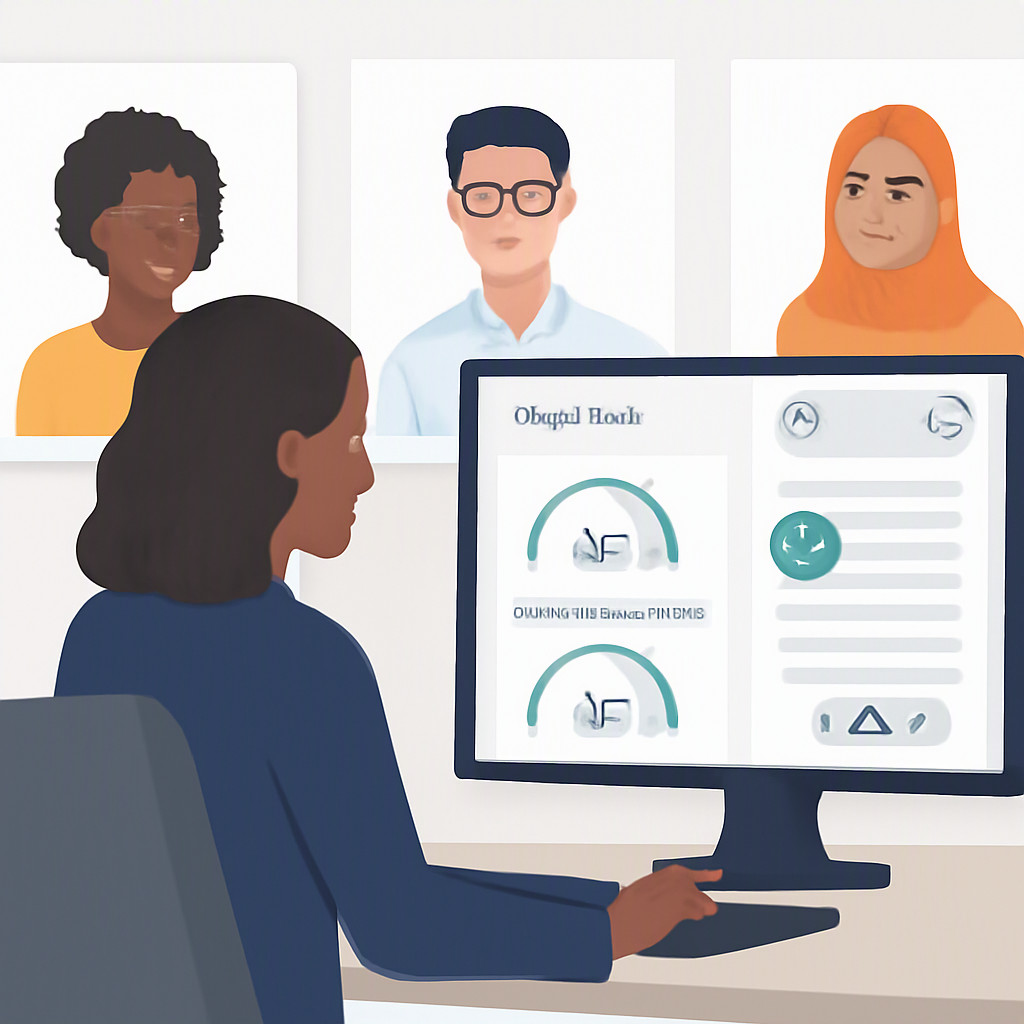
Gen Z doesn’t want to guess where they stand in the hiring process. They expect updates—and fast ones. If you’re using TalentNext, you can generate candidate scorecards that show job-match strength at a glance. Want to keep a candidate in the loop? Share feedback directly through the platform. It’s efficient, and it shows you respect their time.
Actionable Steps:
- Build a transparent hiring process: Share timelines, next steps, and expectations with candidates upfront.
- Provide real-time updates: Use automated tools to send notifications at each stage of the hiring process.
- Offer personalized feedback: Use AI-generated insights to explain why a candidate was or wasn’t selected.
3. Flexibility Is Non-Negotiable
Remote work isn’t a perk anymore; it’s a baseline expectation. A 2023 Pew Research study found that 61% of Gen Z workers prefer hybrid or fully remote jobs. If your company doesn’t offer flexibility, don’t be surprised when your best candidates ghost you.
Example: Tech Giants Leading the Way
Companies like Shopify and Twitter have embraced remote-first policies to attract Gen Z talent. By offering flexible work arrangements, they’ve significantly improved their ability to secure top-tier candidates.
Decision Framework: Flexibility vs. Traditional Setup
| Criteria | Fully Remote | Hybrid | On-Site |
|---|---|---|---|
| Gen Z Appeal | High | Moderate | Low |
| Collaboration | Moderate | High | High |
| Cost Savings | High | Moderate | Low |
| Talent Pool Reach | Global | Regional | Local |
The Pushback: Is AI Really What Gen Z Wants?
You might be thinking, “But doesn’t Gen Z distrust AI?” You’re not wrong. A 2023 Reuters article pointed out that only 1 in 10 Gen Z job seekers fully trust AI in hiring. But here’s the twist: It’s not the tech they distrust—it’s how it’s used.
If you’re transparent about how your AI works (e.g., explaining that it evaluates skills, not just keywords), you build trust. And when candidates see faster responses and more personalized feedback, skepticism fades. The key is communication. Don’t let AI feel like a black box.
Final Thoughts
Gen Z is shaking up the workforce, and they’re not waiting for slow processes or outdated systems. They want purpose, speed, and fairness. If your hiring process doesn’t deliver, you’ll lose them.
Tools like TalentNext are designed to meet these expectations. By cutting screening time, offering actionable insights, and ensuring a transparent process, they help both recruiters and candidates thrive.
Ready to stop losing top Gen Z talent? Try TalentNext for free today →