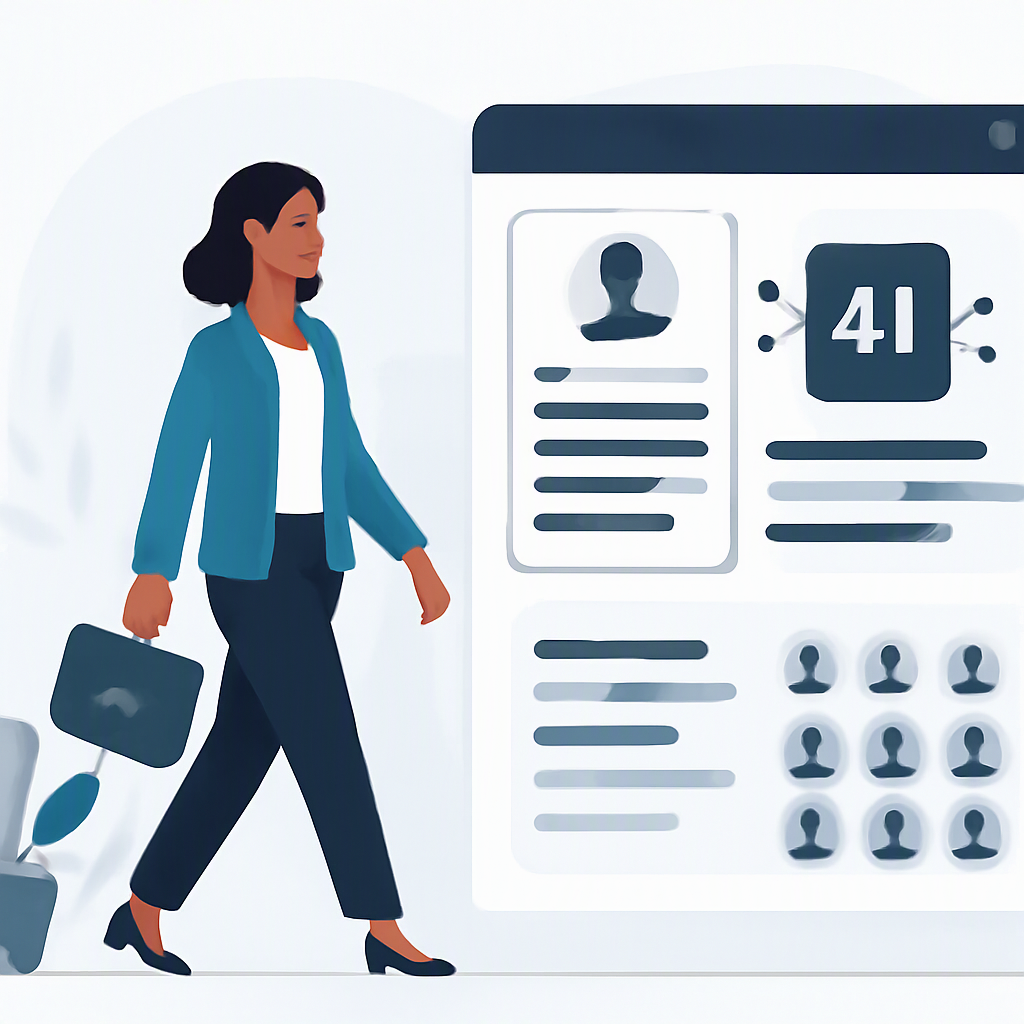
The Problem: Recruitment Teams Stuck in Pilot Purgatory
Every HR team has been there. You test a promising new tool, but months later, it’s still “in pilot.” Why? Because the process gaps and tech debt holding your team back haven’t been addressed. Recruitment workflows are messy—manual resume screening, inconsistent evaluation criteria, and tools that don’t integrate seamlessly. Introducing AI into the mix can sometimes exacerbate these issues if not implemented thoughtfully.
When applied correctly, however, AI can tackle these underlying problems head-on. It offers solutions that go beyond the first layer of automation to address inefficiencies and standardize processes.
Process Gaps: The Hidden Culprit
Recruitment isn’t just about finding candidates; it’s about managing chaos. Here are some common ways processes break down:
- Manual Resume Screening: Recruiters spend significant time sorting through irrelevant CVs, often missing qualified candidates.
- Inconsistent Criteria: Hiring managers evaluate candidates differently, leading to subjective decisions.
- Disconnected Tools: Systems like applicant tracking systems (ATS) often don’t integrate with other tools, forcing recruiters to duplicate efforts.
These issues don’t just waste time; they create bottlenecks that keep teams stuck in pilot purgatory.
How AI Solves This
AI-powered platforms can address these gaps by introducing scalability and standardization. Here’s how:
1. Bulk Resume Processing
Illustrative example — Instead of manually screening hundreds of resumes, AI can process them in bulk and match candidates to job descriptions. This ensures every resume gets the same level of scrutiny, reducing bias and human error.
2. Candidate Scorecards
Consistency is critical in hiring decisions. AI can generate scorecards for each candidate, ranking them based on job-match strength. These scorecards highlight areas to explore during interviews, ensuring recruiters focus on relevant qualifications instead of subjective impressions.
3. Automated Job Postings
Disconnected tools waste time. AI can instantly generate job postings based on uploaded descriptions, reducing duplication and allowing teams to focus on evaluating candidates rather than administrative tasks.
Why Tech Debt Keeps Teams Stuck
Tech debt isn’t just about outdated systems; it’s about the inefficiencies they create. For example, if your ATS doesn’t integrate with your scheduling tool, you might spend extra time manually transferring candidate details. Multiply that by dozens of candidates, and the wasted time adds up quickly.
AI tools designed for integration can remove these friction points. They automate repetitive tasks and streamline workflows, helping teams escape pilot purgatory.
Common Objections to AI in Recruitment
You might be thinking:
- “What if AI misses a great candidate?” AI isn’t foolproof, but it’s a starting filter—not the final decision-maker. It narrows your focus to strong contenders so you can dig deeper.
- “Can AI evaluate soft skills?” No. That’s still your job. But it can ensure you’re not wasting time on candidates who don’t meet basic requirements.
- “Won’t automation feel impersonal?” Not if you balance AI with human touchpoints. Use AI for efficiency, but keep interviews and follow-ups personal.
The Takeaway
Tech debt and process gaps don’t just slow you down—they keep you stuck in pilot purgatory. AI tools offer practical solutions to these challenges, helping recruitment teams streamline workflows and move forward.