AI in Hiring: A Legal Minefield Without Proper Safeguards
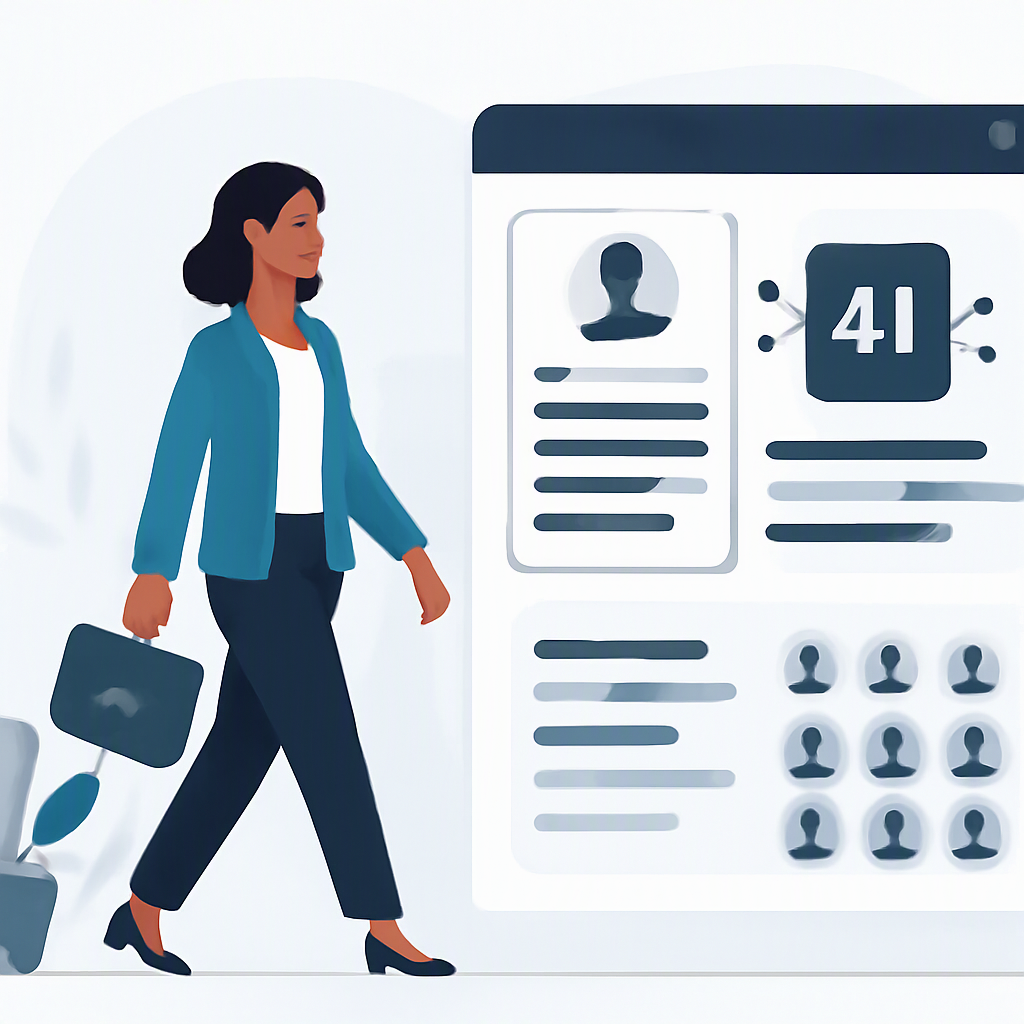
AI-powered recruitment tools are transforming hiring workflows. They can significantly reduce screening time and make analyzing large volumes of resumes more efficient. However, without robust cybersecurity and data privacy measures, these tools could leave employers exposed to serious legal risks.
The Problem: Data Privacy Laws Are Tightening
If you’re hiring across borders or handling candidate data from regions like the EU or California, you may be subject to regulations such as GDPR or CCPA. These laws require employers to secure personal data, limit its use, and ensure transparency. AI tools that process resumes often collect sensitive information — names, addresses, contact details, and even demographic data. If this data is misused or exposed in a breach, the consequences can be severe.
For example, the Marriott data breach in 2018 exposed millions of customer records and resulted in significant penalties under GDPR (source: BBC). Now imagine a similar breach involving your candidates’ resumes.
The Cybersecurity Angle: Who’s Watching Your AI?
AI systems rely on massive datasets for training and decision-making. But how secure are these databases? Poorly secured AI tools are vulnerable to threats like ransomware attacks and data leaks. A report by IBM highlights the high costs associated with data breaches (source: IBM Cost of a Data Breach Report).
If your AI hiring tool lacks encryption or uses outdated security protocols, it increases the risk of exposure. Additionally, many AI systems function as black boxes, making it difficult to understand how they handle or store data. This opacity can complicate compliance with data privacy laws.
Addressing Compliance and Security in AI Hiring Tools
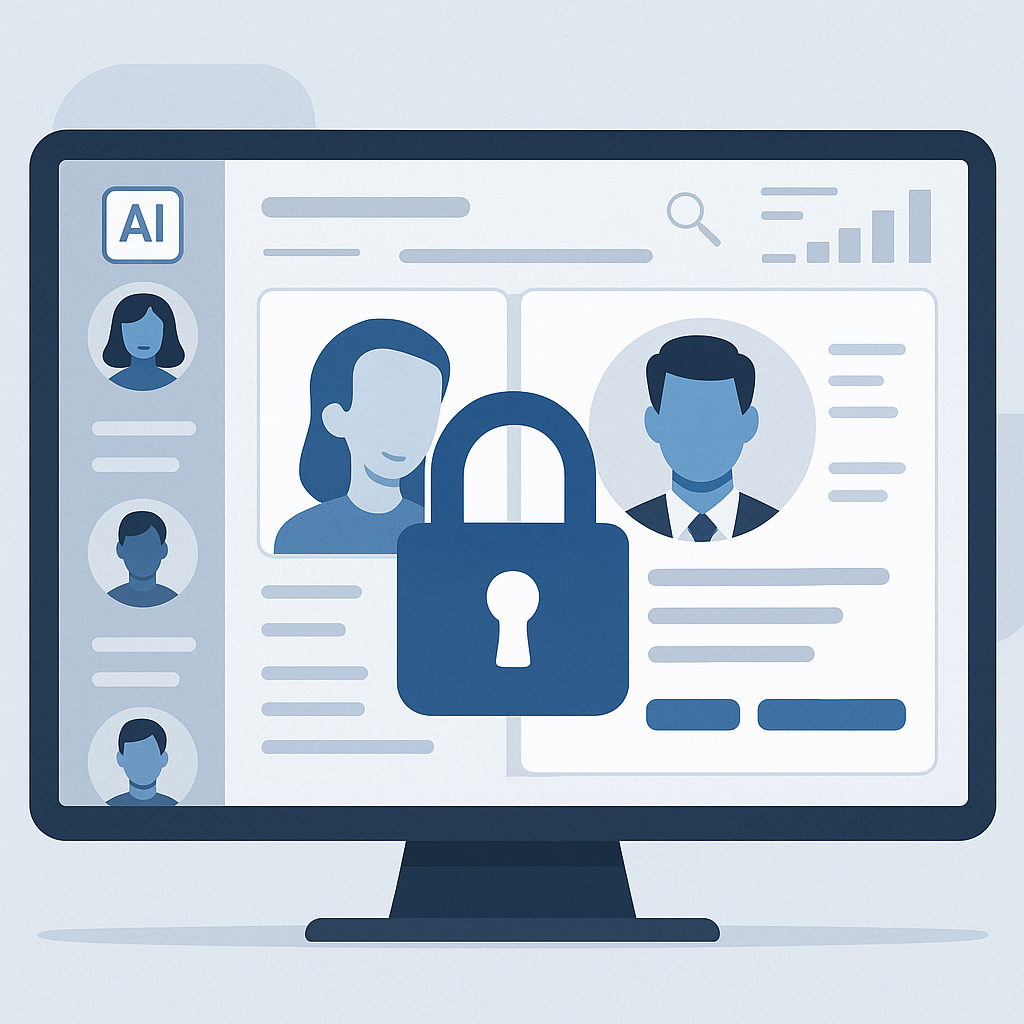
To mitigate risks, AI hiring tools should incorporate features like encryption for data in transit and at rest. Employers should also have control over data retention policies to comply with “right to be forgotten” laws under GDPR. Transparency is equally important — candidates should be informed about how their data is used and how decisions are made.
What’s the Risk of Doing Nothing?
Ignoring these issues can lead to significant legal and reputational risks. For instance, if an AI hiring tool rejects a candidate based on its algorithm and the candidate claims discrimination, the employer must prove the decision was fair and unbiased. Without auditing the AI system, this can be challenging.
A notable example is Amazon’s AI hiring tool, which was discontinued after it was found to discriminate against women due to biased training data (source: Reuters). Such incidents highlight the importance of addressing bias and ensuring compliance.
How to Stay Compliant While Using AI
Here’s a checklist to minimize legal exposure when using AI tools in hiring:
- Audit Your AI for Bias: Regularly review your tool’s algorithms to ensure fairness. Partner with third-party experts if needed.
- Encrypt Everything: Ensure all candidate data is encrypted, both in transit and at rest.
- Limit Data Retention: Only keep data as long as legally necessary.
- Provide Transparency: Inform candidates about how their data is used and how decisions are made.
- Train Your Team: Educate HR staff on responsible AI usage and compliance risks.
Final Thoughts
AI is a powerful tool, but it’s not foolproof. Employers need to prioritize cybersecurity and data privacy to avoid legal and reputational risks. Neglecting these areas can lead to fines, damage to your brand, and loss of trust with candidates.
By implementing robust safeguards and ensuring compliance, you can harness the benefits of AI in hiring while minimizing risks.