Week in Review: Is Mandatory E-Verify Closer? What HR Needs to Know
Mandatory E-Verify has been a political hot topic for years. But if you’ve been following recent legislative updates, you know it’s no longer just talk. The push for mandatory E-Verify across all states is gaining serious traction. For HR teams, this raises a big question: Are we ready to handle the compliance load?
What’s the Big Deal with E-Verify?
E-Verify is an online system run by the U.S. Citizenship and Immigration Services (USCIS). It lets employers confirm whether a worker is authorized to work in the U.S. Sounds simple, right? Not quite.
Currently, it’s mandatory in only a handful of states, but more are joining the list. The Bipartisan Border Solutions Act introduced in Congress this year includes provisions that could make E-Verify mandatory nationwide. If passed, it could impact millions of employers almost overnight.
For companies already struggling to stay compliant with existing laws, this might feel like one more headache. Add high applicant volumes, manual errors, and inconsistent record-keeping, and you’ve got a perfect storm brewing.
The Compliance Crunch: Why HR Teams Should Care
Let’s be blunt. Non-compliance isn’t just a slap on the wrist. It’s costly. Employers caught hiring unauthorized workers could face fines ranging from $250 to $10,000 per violation. And if the government suspects you’re deliberately skirting the rules, criminal charges aren’t off the table.
But here’s the kicker: even honest mistakes can cost you. A typo in an I-9 form? That’s a violation. Forgetting to reverify an expiring work authorization? Another violation. When you’re hiring for multiple roles, errors multiply fast.
For companies hiring at scale, the stakes are even higher. Imagine processing hundreds of applications for a role, only to realize you missed verifying a candidate’s eligibility. Not ideal.
How Automation Tools Can Help with E-Verify Compliance
This is where automation steps in. Platforms designed to handle compliance-heavy tasks can be a game-changer for HR teams. Here’s how they can help:
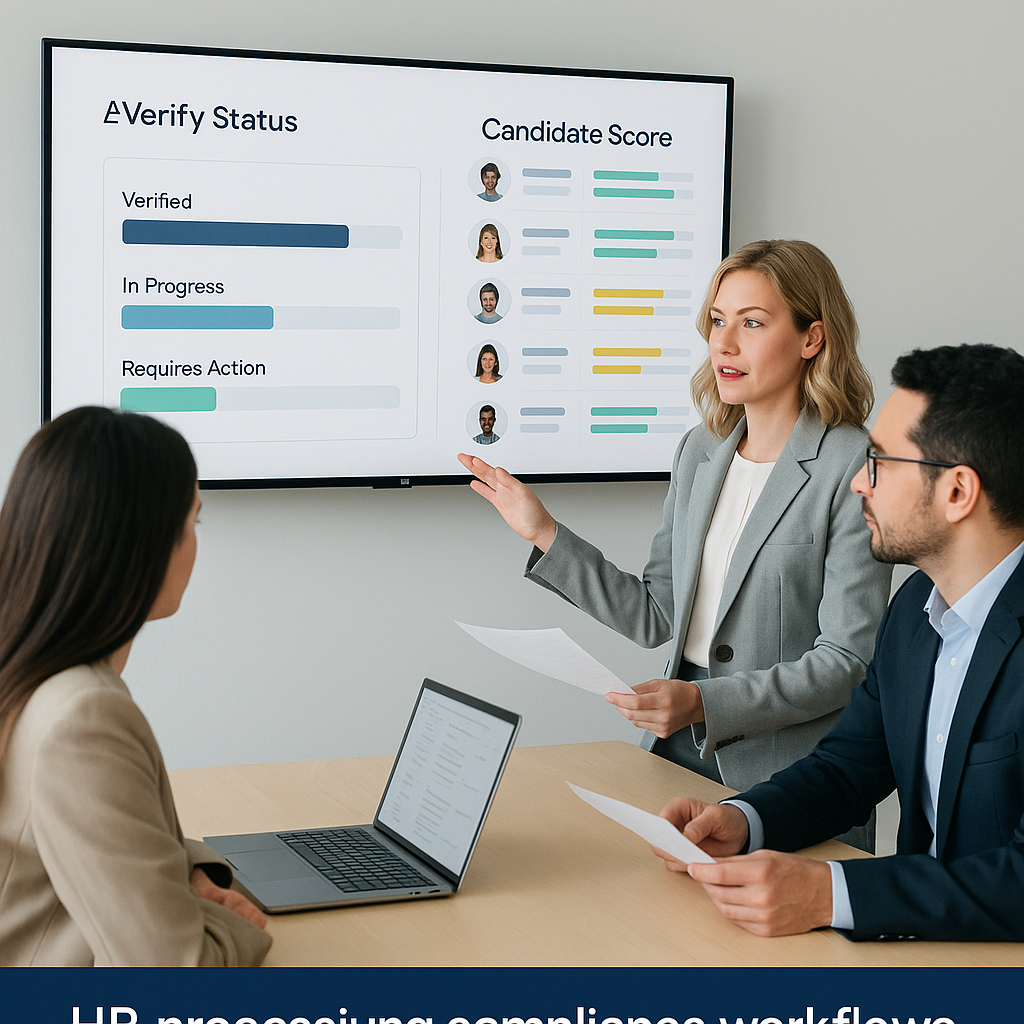
- Bulk Processing: Instead of manually reviewing hundreds of resumes, you can upload them in bulk. The system analyzes each one for eligibility flags based on job descriptions and compliance requirements.
- Error Reduction: Automation minimizes human error by flagging inconsistencies or missing data before it becomes a problem. For example, if an applicant’s history raises questions about work authorization, the system highlights it for review.
- Audit-Ready Records: Every action is logged, so you have a clear trail if you’re ever audited. No more scrambling through paper files or outdated spreadsheets.
Illustrative example — By automating repetitive tasks, HR teams can significantly reduce the time spent on manual compliance checks, allowing them to focus on higher-value activities like candidate engagement.
Common E-Verify Mistakes Automation Can Prevent
Let’s talk about where things often go wrong:
- Late Verification: Employers must complete E-Verify checks within three business days of a new hire’s start date. Miss that window, and you’re non-compliant. Automation tools can send reminders to ensure deadlines aren’t missed.
- Incorrect Data Entry: A single keystroke error can lead to a mismatch in the E-Verify system. Automation reduces this risk by cross-referencing data against multiple sources.
- Inconsistent Processes: When hiring managers across different locations follow different procedures, compliance gets messy. Automation platforms standardize workflows, keeping everyone on the same page.
What HR Teams Should Do Now
Mandatory E-Verify isn’t a matter of if—it’s when. Waiting until the last minute to prepare is a recipe for disaster. Here’s what you can do now:
- Audit Your Current Process: Identify bottlenecks in your hiring workflows. Are you still relying on paper forms or spreadsheets? That’s a red flag.
- Invest in Automation: Tools designed for compliance can help you scale efforts without adding more to your team’s plate.
- Stay Informed: Keep an eye on legislative updates. Subscribe to industry newsletters or set up alerts for E-Verify news.
Preparing now can save HR teams significant time and stress in the future. By leveraging automation and staying proactive, you’ll be ready to navigate the compliance challenges ahead.