The Hiring Pivot for 2024: Skills Over Credentials
Hiring trends are shifting. CHROs across industries are saying the same thing: 2024 will be all about skills-based hiring. Why? Because job markets are tighter, roles are more specialized, and traditional methods aren't cutting it anymore. The days of screening resumes for degrees or big-name companies are fading. Employers now want candidates with proven, measurable skills that align with their specific needs.
But here’s the challenge: how do you efficiently identify those skills when you're sorting through hundreds (or thousands) of resumes for a single role? That’s where AI recruitment tools come in, and why features like candidate scorecards are getting attention.
Why Skills-Based Hiring Makes Sense
Let’s be real—degrees don’t always equal competence. A 2023 McKinsey report found that many executives struggle to find workers with the right skills, even among candidates with impressive credentials. Meanwhile, job seekers without traditional qualifications are often overlooked, even if they have the exact skills needed for the role.
This mismatch wastes everyone’s time. Companies spend weeks (sometimes months) trying to fill open roles, while qualified candidates slip through the cracks because they don’t fit outdated screening criteria. Skills-based hiring flips this on its head. It focuses on what a candidate can do, not where they’ve been.
The Logistical Nightmare of Screening for Skills
Here’s where the wheels fall off. Screening for skills manually is a mess. Let’s say you’re hiring a data analyst. You post the job, and within a week, hundreds of resumes land in your inbox. Now you need to:
- Identify which resumes mention the required skills (SQL, Python, Tableau, etc.).
- Figure out if those skills are actually relevant to your specific job.
- Separate the candidates with real expertise from the ones who just copy-paste buzzwords.
- All while managing your regular workload.
Sound familiar? It’s why so many recruiters end up relying on gut instinct or defaulting to pedigree—because there’s just not enough time to do it right.
How AI Candidate Scorecards Solve the Problem
This is where AI-powered tools shine. Their candidate scorecards take the guesswork out of evaluating job applications. Here’s how it works:
-
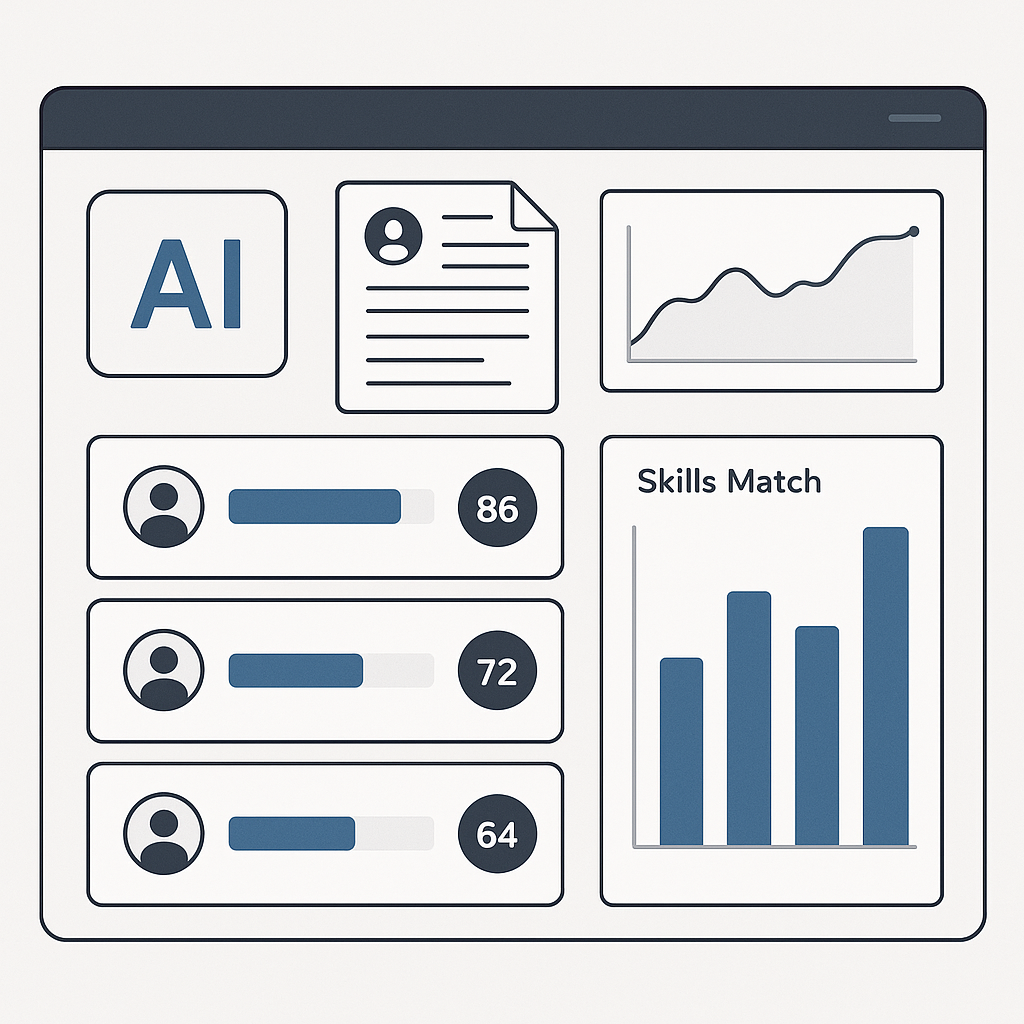
Skills Matching: AI scans resumes and job descriptions for specific skills. For example, if you’re hiring a data analyst, it will flag resumes with strong matches to your required skills (e.g., Python, data visualization, machine learning).
-
Relevance Scoring: Instead of just tallying up keywords, the tool evaluates how closely a candidate’s experience aligns with what’s actually needed for the job. Someone who’s used Python for years in a similar role will rank higher than someone who only took a coding bootcamp.
-
Actionable Insights: Candidates are scored and categorized, so you can quickly identify your top matches. No more wading through unqualified resumes.
What About the Human Touch?
You might be thinking, "Doesn’t this make hiring impersonal?" Not at all. AI doesn’t replace recruiters—it complements them. By automating the grunt work, it frees up recruiters to focus on the human elements of hiring: building relationships, assessing cultural fit, and ensuring the candidate experience is seamless.
Common Pitfalls to Avoid
- Over-reliance on AI: A high score doesn’t guarantee a perfect hire. Always validate skills during interviews or through practical assessments.
- Poorly Written Job Descriptions: If your job description is vague or unrealistic, even the best AI tool can’t perform miracles. Be specific and clear about the skills you need.
- Neglecting Soft Skills: While technical skills are critical, don’t overlook interpersonal abilities and cultural fit. These still require a human touch.
Final Thoughts
Skills-based hiring isn’t just a trend; it’s where the job market is headed. If you’re still relying on outdated screening methods, you’re already behind. Tools like AI-powered resume screening can help you adapt to this new reality and hire faster, smarter, and more effectively.