Is Manual Resume Screening Still a Thing in 2026?
Yes, sadly, it is. Despite advancements, many recruiters are still stuck combing through resumes manually. It’s mind-numbing and inefficient. Recruiters spend an average of 23 hours screening resumes for just one hire. Combine that with today’s job market, where every job posting attracts hundreds of applications, and you’ve got a system that’s begging for innovation.
But here’s the good news: AI hiring platforms are stepping in to save the day.
The Problem with Traditional Screening
Let’s not sugarcoat it—manual screening is a nightmare. You’re not just wasting time; you’re also risking inconsistency. Two recruiters might interpret the same resume differently. And let’s be honest, after the 50th resume, your focus isn’t exactly sharp. Candidates with great potential might get overlooked.
Time Costs Are Astronomical
According to a survey by Glassdoor, recruiters spend up to 6 seconds scanning each resume initially. Multiply that by hundreds of applications per job posting, and you’re looking at hours of repetitive work. For example, if you receive 400 applications for a single role, that’s 2,400 seconds—or 40 minutes—just for initial scans. Add deeper reviews, and the time balloons to several hours per role.
The Bias Factor
Then there’s bias. Even the most well-meaning recruiter can have subconscious preferences that skew hiring decisions. This isn’t just bad for diversity; it’s bad for business. A 2023 McKinsey report found that diverse teams outperform their less diverse counterparts by 35%. When recruiters manually screen resumes, those unconscious biases can creep in and lead to hiring decisions that favor certain demographics, educational backgrounds, or even names.
A Case in Point
Take the case of a fintech startup that manually screened resumes for a junior analyst position. Despite best intentions, 80% of their hires came from Ivy League schools, even though candidates from other universities had similar qualifications. This lack of diversity eventually hurt innovation and problem-solving within the team.
Enter AI: Cutting Screening Time by 75%
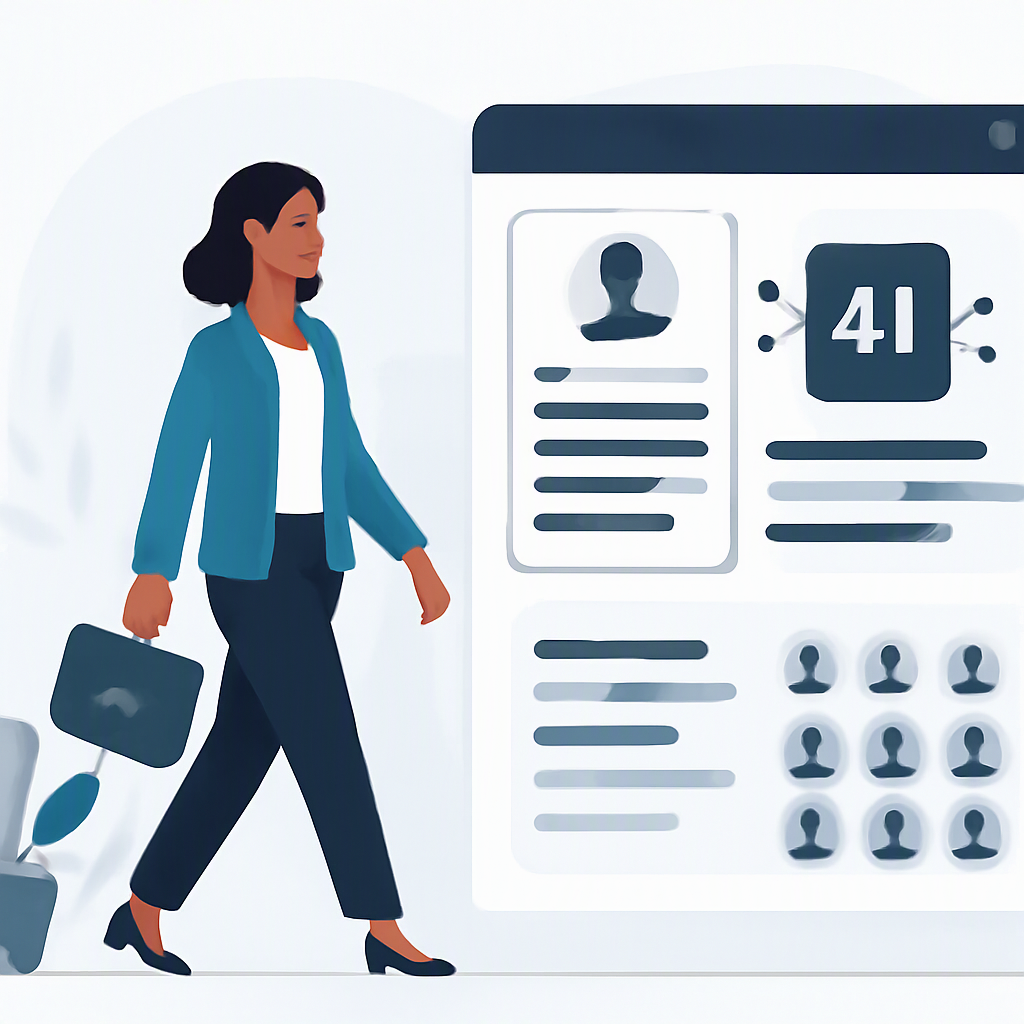
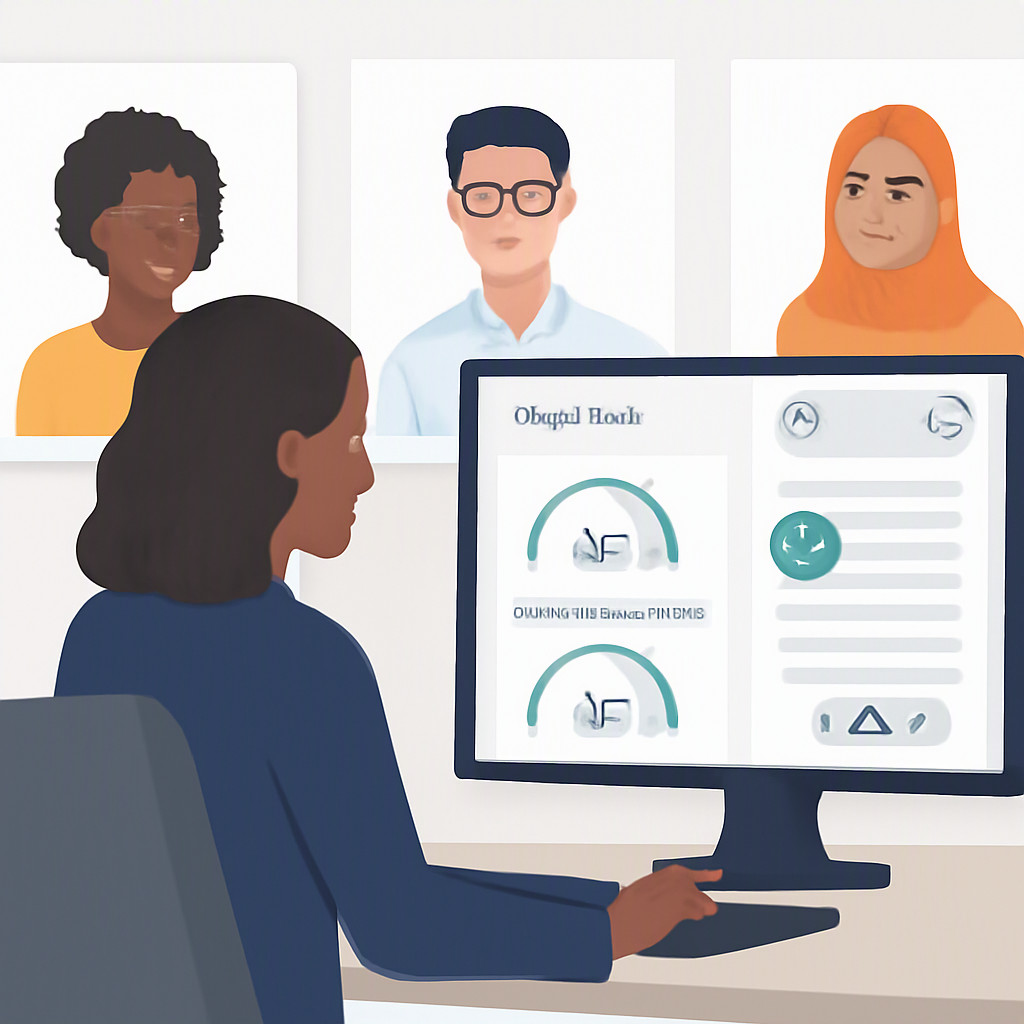
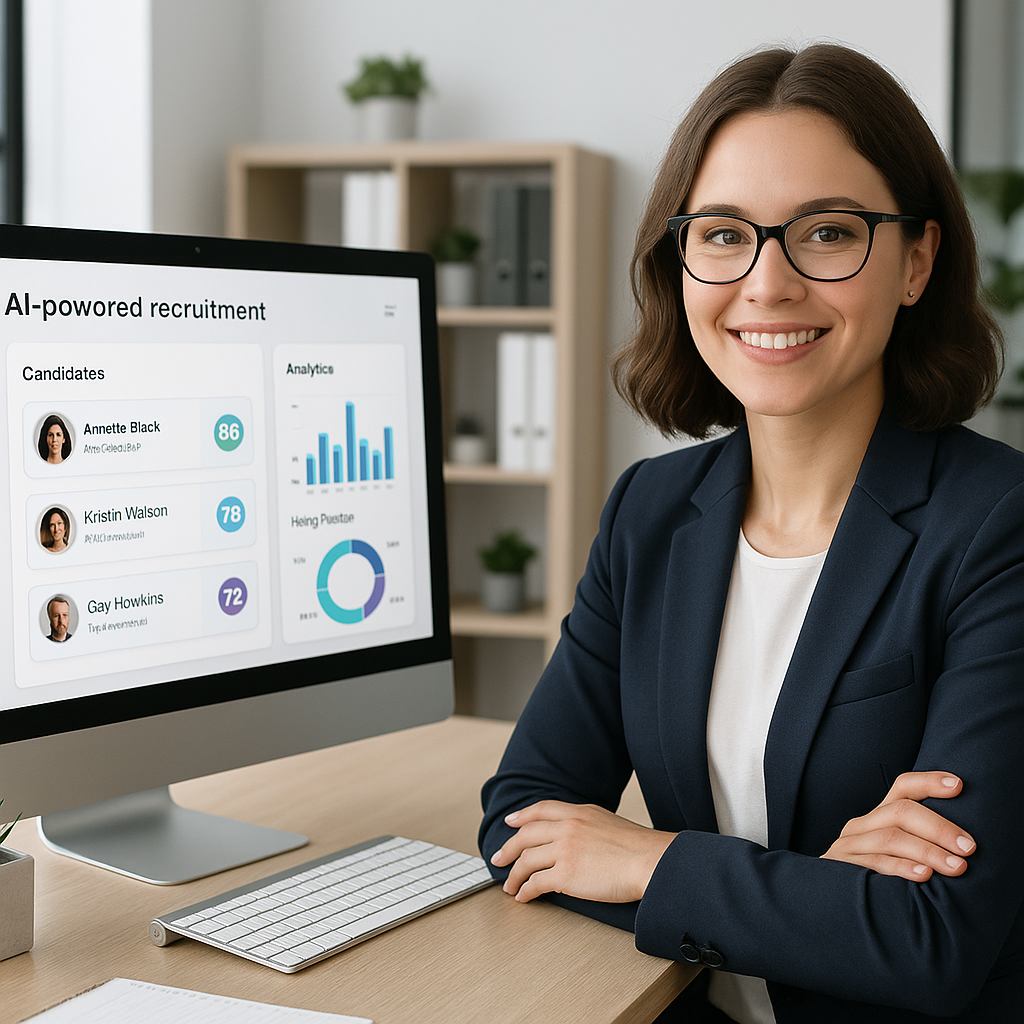
AI recruiting tools, like TalentNext, analyze resumes in seconds. How? By using advanced algorithms to match candidate skills, experience, and qualifications to job descriptions. TalentNext, for example, lets recruiters upload resumes in bulk and instantly generates candidate scorecards.
How AI Works in Resume Screening
AI platforms use natural language processing (NLP) and machine learning to:
- Parse resumes for keywords that match the job description.
- Rank candidates based on relevance to the role.
- Highlight gaps or strengths in a candidate’s profile.
Here’s the kicker: it reduces screening time by up to 75%. That’s not fluff—it’s grounded in real use cases. Imagine going from spending 23 hours on one hire to just six. What could your team do with that time back? I’ll tell you: focus on the human side of hiring, like building relationships with top talent.
Real-Life Example: Tech Recruiting
Let’s say you’re a tech recruiter hiring for a software engineer role. You post a job, and within days, you’re flooded with 300 resumes. In the past, you’d spend days going through them, trying to spot the right candidate. With AI, you upload all those resumes into a platform like TalentNext, set your job criteria, and voilà! You get a ranked list of candidates.
The platform doesn’t just rank—they also provide detailed insights into why a candidate is a good match. For instance, it might highlight that Candidate A has 5 years of Python experience, aligns well with your required skills, and even suggest improvements for their resume. This level of detail helps recruiters make more informed decisions quickly.
But What About Bias?
Great question. AI isn’t perfect, and it can sometimes reflect the biases of the data it’s trained on. For example, if the training data favors candidates from certain schools or industries, the AI might prioritize those profiles.
How TalentNext Addresses Bias
Platforms like TalentNext stand out by designing algorithms that focus solely on job-relevant criteria, minimizing irrelevant factors like names, gender, or age. Recruiters can also customize filters to ensure that the AI doesn’t inadvertently exclude diverse candidates.
Still, it’s crucial to pair AI with human oversight. While AI can narrow the field, recruiters must review the final shortlist to ensure the best fit—not just the best score.
Actionable Steps for Recruiters
Here’s how recruiters can transition from manual screening to AI:
- Identify Screening Bottlenecks: Track how much time your team spends on resume reviews. If it’s over 20 hours per hire, it’s time for a change.
- Choose the Right Platform: Look for AI tools like TalentNext, which prioritize transparency and offer features like bias mitigation and candidate ranking.
- Start Small: Test AI screening on one job role to measure effectiveness. Compare results with manual screening for accuracy and efficiency.
- Train Your Team: Ensure recruiters understand how AI tools work and how to interpret the insights.
- Combine AI with Human Oversight: Use AI to narrow your shortlist, but always involve human judgment for final decisions.
Comparison Table: Manual Screening vs AI Screening
| Criteria | Manual Screening | AI Screening |
|---|---|---|
| Time per Hire | 23 hours | 6 hours |
| Bias | High risk of unconscious bias | Mitigated by focusing on job criteria |
| Consistency | Varies by recruiter | Consistent algorithm-based evaluations |
| Volume Handling | Limited by recruiter capacity | Handles hundreds of resumes at once |
| Cost Efficiency | Labor-intensive, costly | Cost-effective |
The Bottom Line
AI isn’t replacing recruiters—it’s making their jobs easier. By automating repetitive tasks, recruiters can dedicate more time to engaging with candidates, building relationships, and making smarter decisions. In 2026, if you’re not using AI hiring platforms, you’re already behind.
Ready to save 75% of your resume screening time? TalentNext can help. Get started today →