Why the Job Market Feels Like a Minefield
The headlines are confusing. On one hand, hiring is picking up after a brutal couple of years. On the other, recruiters say it’s harder than ever to find the right candidates. What gives?
Here’s the reality: the job market is more selective than it’s been in decades. Economist reports point to a “quality over quantity” shift in hiring trends Bloomberg. Employers aren’t just looking for someone who can do the job—they want the perfect fit. And they’re willing to sift through hundreds, sometimes thousands, of resumes to find them.
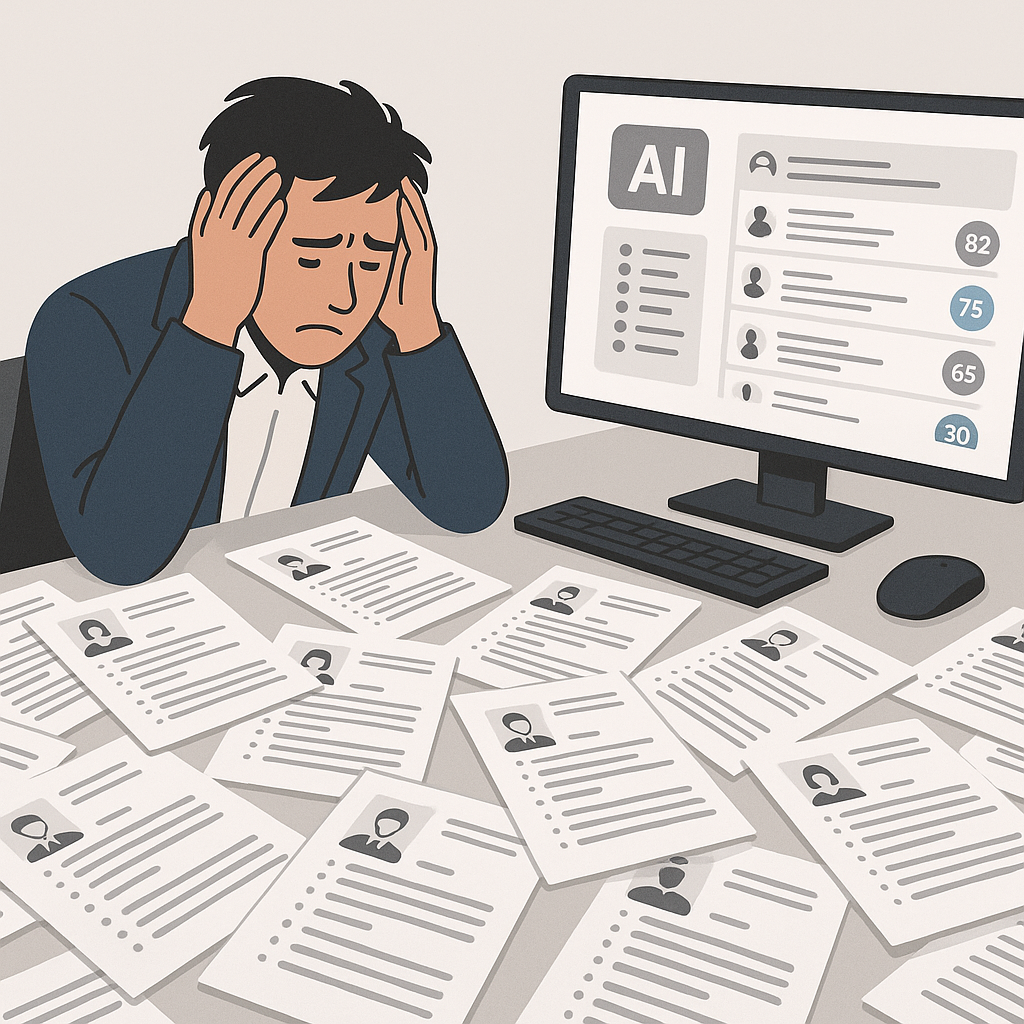
But here’s the kicker: recruiters don’t have the bandwidth to manually sort through that flood of applications. The average recruiter spends 23 hours screening resumes for a single job posting SHRM. That’s insane, and unsustainable in today’s fast-paced hiring environment.
Why You’re Seeing More “Perfect Fit” Job Descriptions
Another factor making the market selectively brutal is job descriptions themselves. Employers are doubling down on ultra-specific requirements. They’re demanding niche certifications, unique software skills, or industry experience that only a handful of candidates possess. Entry-level roles now ask for 2-3 years of experience, which used to be unheard of.
For example, a marketing coordinator role that once required basic familiarity with tools like Canva now demands fluency in Adobe Creative Suite, Google Analytics, and even coding languages like HTML or CSS. Likewise, IT support positions often insist on certifications like AWS or Microsoft Azure, even for junior roles. This level of specificity narrows the talent pool significantly.
For recruiters, this creates a weird paradox. You’re asked to fill roles faster, but the requirements are stricter than ever. It’s like trying to find a needle in a stack of needles.
Actionable Steps to Manage "Perfect Fit" Job Descriptions:
- Audit Your Job Descriptions: Are your requirements realistic? If you’re asking for niche skills, are you willing to offer training or upskilling opportunities?
- Prioritize Must-Haves Over Nice-to-Haves: Clearly separate essential qualifications from desirable ones. This lowers barriers for qualified candidates.
- Engage With Hiring Managers: Push back on overly rigid requirements that might unnecessarily limit the candidate pool.
The Problem With Manual Screening
Let’s be real—manual screening isn’t cutting it anymore. It’s slow, inconsistent, and exhausting. You might miss out on great candidates just because their resume doesn’t follow the exact format you’re used to.
And then there’s the bias problem. Humans are wired to make snap judgments, even if we don’t mean to. Maybe the candidate went to a less prestigious school, or their formatting looks unpolished. You could be passing over a rockstar because of one bad font choice.
Case Study: The Bias Issue in Manual Screening
A study by the National Bureau of Economic Research NBER found that resumes with "ethnic-sounding" names received 50% fewer callbacks than identical resumes with "traditional" names. This highlights how unconscious bias can creep into hiring decisions, even when recruiters have the best intentions.
How to Mitigate These Issues Without AI:
- Use Blind Resume Screening: Remove names, addresses, and other identifying information before reviewing resumes.
- Standardize Scoring Criteria: Create a rubric that prioritizes skills and experience over subjective factors.
- Train Teams on Bias Awareness: Regular training sessions can help recruiters recognize and counteract their own biases.
How AI Changes the Game
This is where tools like TalentNext come in. The platform uses AI to analyze and score resumes against job descriptions—instantly. That means you’re not just relying on your gut to pick the right person; you’re using data.
Here’s a practical example. Let’s say you post a job that requires proficiency in Salesforce, 3 years of experience in SaaS sales, and familiarity with HubSpot. Instead of manually scanning resumes for those keywords, TalentNext’s AI does it for you. It scores each candidate based on how closely they match the job description, creating a ranked list of the best fits.
Concrete Example of AI in Action:
A mid-sized company in the healthcare industry implemented TalentNext for their hiring needs. For a recent role that previously took them 4 weeks to hire, the AI-powered tool reduced the time-to-fill to just 10 days. The platform identified 3 top candidates out of 600 applications, all of whom matched over 85% of the job description criteria. The hiring manager noted that this approach drastically cut down on wasted time and improved team morale.
Why This Matters in 2023
Selective hiring isn’t going away. As companies focus more on efficiency, they’ll keep raising the bar for candidates. But recruiters can’t afford to spend weeks filling each role. AI screening tools bridge that gap.
Here’s another thing: candidates themselves are adapting. They’re tailoring resumes to match job postings, which makes manual screening even harder. When every resume looks polished, how do you spot the real gems?
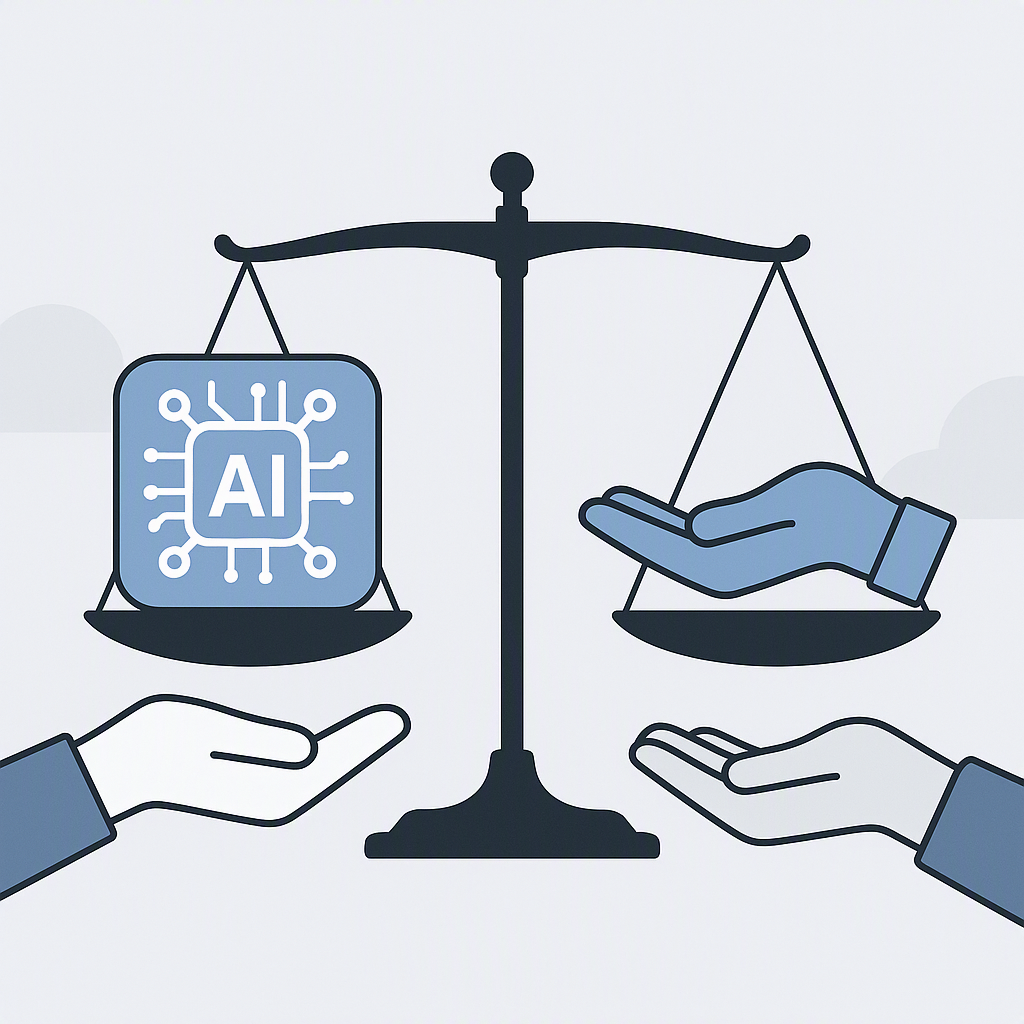
AI tools not only save time but also reduce the risk of bias. You’re not judging candidates based on subjective impressions—you’re using objective metrics. And in a market this selective, that’s a huge advantage.
How AI Enhances Fairness:
- Objective Scoring: Resumes are evaluated against the same criteria, reducing variability.
- Keyword Optimization: AI tools recognize skills phrased in different ways (e.g., "project management" vs. "managing projects"), which manual screening often misses.
- Compliance Tracking: Some platforms can help ensure hiring practices meet legal standards, reducing risks of discrimination claims.
Common Objections
You might be thinking, “AI can’t replace human judgment.” That’s true. But it’s not supposed to. Tools like TalentNext don’t make hiring decisions for you—they give you better options to choose from.
Another concern: “What if AI misses something important?” It’s rare, but it can happen. That’s why these tools work best when paired with human oversight. Think of AI as your co-pilot, not the pilot.
Adapting Your Recruitment Strategy
Here’s how you can start adapting:
- Use AI for the First Pass: Let tools like TalentNext weed out unqualified candidates. Focus your time on engaging with top-tier applicants.
- Refine Job Descriptions: Be clear about what you want, but don’t overdo it. Unrealistic requirements scare away great candidates.
- Track Metrics: Use AI dashboards to monitor which job postings get the most qualified applicants. Adjust your strategy based on the data.
- Invest in Training: Ensure your team knows how to interpret AI-generated insights effectively.
FAQ
Q: Can AI really cut screening time by 75%?
A: Yes, TalentNext users report saving up to 75% of the time they’d normally spend screening resumes. This frees up recruiters to focus on higher-value tasks like candidate engagement and interviews.
Q: Won’t AI tools introduce bias?
A: Actually, they tend to reduce bias by focusing on objective criteria like skills and experience, rather than subjective factors such as the format of a resume or the name of a school.
Q: Is AI screening expensive?
A: Platforms like TalentNext are designed to be cost-effective. When you factor in the time saved and the improved quality of hires, the ROI is clear.
Q: Can AI tools integrate with my existing ATS?
A: Most modern AI tools, including TalentNext, integrate seamlessly with popular Applicant Tracking Systems (ATS) like Workday, Greenhouse, and Lever.
Q: Does AI replace recruiters?
A: No. AI is a tool, not a replacement. It handles repetitive tasks so recruiters can focus on strategic, human-centered aspects of hiring.
Comparison Table: Manual Screening vs. AI-Powered Screening
| Feature | Manual Screening | AI-Powered Screening |
|---|---|---|
| Speed | 23+ hours per job posting | Cuts screening time by ~75% |
| Bias | Prone to unconscious bias | Reduces bias with objective data |
| Scalability | Limited | Highly scalable |
| Accuracy | Inconsistent | Data-driven and precise |
| Candidate Experience | Slower responses | Faster, more transparent process |
Final Thoughts
The job market’s selectivity isn’t a temporary trend—it’s the new normal. Recruiters need smarter tools to keep up. If you’re drowning in resumes or struggling to find the perfect fit, AI-powered screening might be the fix.