Why Leadership Development Isn’t Just for Leaders Anymore
Leadership isn’t about job titles anymore. Think about it: companies increasingly rely on collaboration, adaptability, and problem-solving at every level. Entry-level employees are expected to make decisions, manage complex projects, and work across teams—skills traditionally reserved for managers.
In fact, research from McKinsey shows that companies investing in leadership training for all employees see better productivity and higher retention rates. It’s not just about preparing future executives anymore; it’s about creating a workforce that can handle change and drive results.
Why Leadership Skills Matter at Every Level
Leadership development used to mean preparing high-potential employees for executive roles. But today’s workplace is flatter, faster-paced, and more team-oriented. Consider this: according to Deloitte’s 2023 Global Human Capital Trends report, 87% of organizations agree that building leadership skills across all levels is critical to navigating the complexities of modern work.
Here’s why:
- Increased Collaboration: Many organizations now rely on cross-functional teams to execute complex projects. Leadership skills like effective communication and conflict resolution are essential for making these teams successful.
- Faster Decision-Making: Companies no longer have time to escalate every decision to upper management. Empowering employees to make decisions requires strong problem-solving and critical-thinking skills.
- Employee Retention: Employees want growth opportunities. Leadership development programs signal that a company is invested in its people, making them less likely to jump ship.
Concrete example: At Procter & Gamble, leadership training isn’t limited to managers. The company offers programs like the “P&G Leadership Academy” to all employees, resulting in better engagement scores and a reduced turnover rate, particularly among junior staff.
What This Means for Recruiters
This shift directly impacts talent acquisition. Recruiters can’t just look for hard skills like coding or marketing expertise anymore. They need to evaluate candidates for soft skills like communication, decision-making, and adaptability. The challenge? Spotting these qualities in a sea of resumes.
Let’s face it—manual resume screening isn’t equipped for that. You’re either stuck judging keywords or relying on gut feelings. Neither approach guarantees you’ll find candidates with leadership potential. That’s why tools like TalentNext are becoming critical.
Where AI Comes In
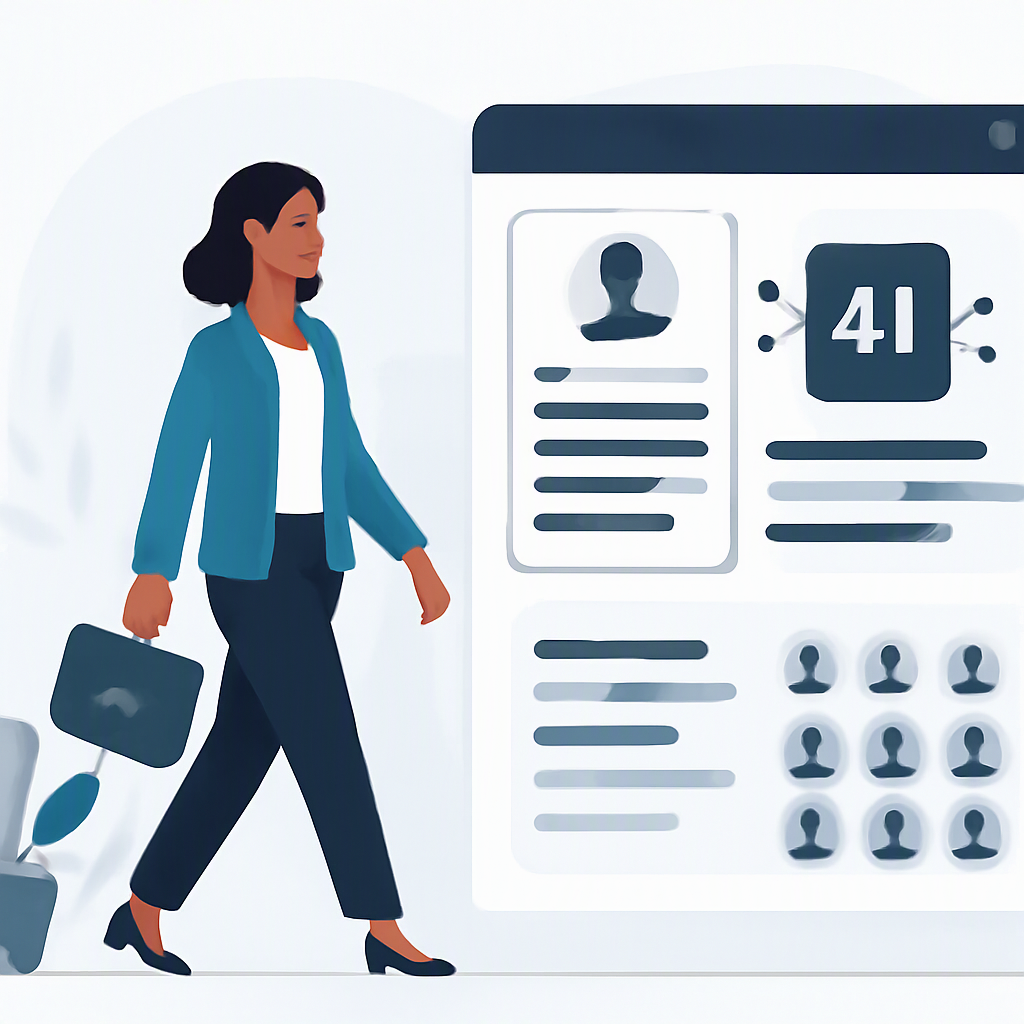
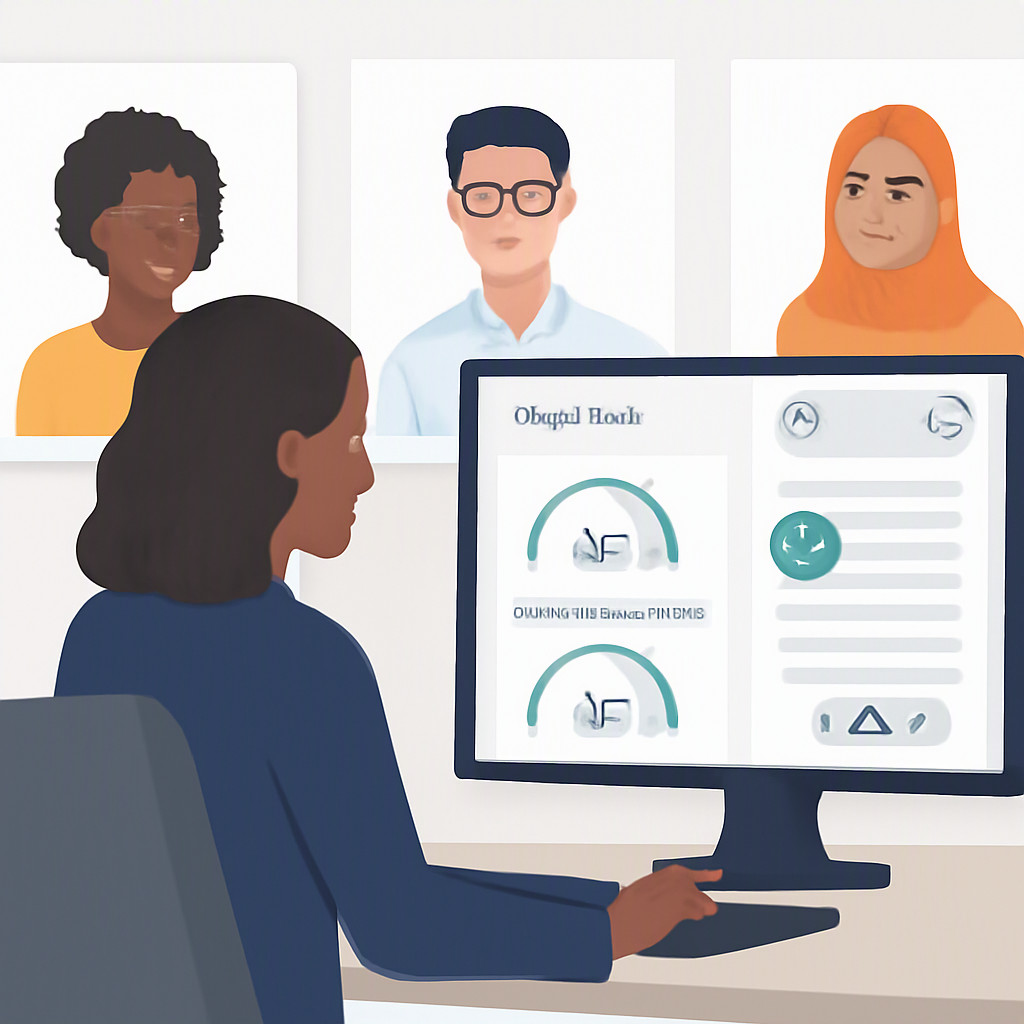
Here’s the thing: AI doesn’t replace human judgment, but it gives you a head start. TalentNext’s platform scores resumes based on job-match strength and highlights candidates who demonstrate leadership-related qualities. For example, it might flag a candidate whose resume shows experience leading cross-functional teams or managing projects under tight deadlines.
Real-World Use Case: Healthcare Hiring
This is particularly useful for hiring in industries where leadership skills are non-negotiable. Take healthcare, for instance. A nurse isn’t just administering medication—they’re managing patient care, coordinating with doctors, and making split-second decisions. If you’re screening hundreds of applications for a nursing role, AI can quickly identify candidates with the leadership experience you need.
Actionable Steps for Using AI in Leadership-Focused Hiring
- Set Clear Criteria: Define the leadership qualities you’re looking for, such as project management, adaptability, or team-building experience.
- Leverage AI Tools: Use platforms like TalentNext to automate the initial screening process. These tools can highlight resumes that align with your criteria.
- Validate AI Insights: Supplement AI findings with targeted interview questions to assess cultural fit and emotional intelligence.
Upskilling: The Other Side of the Coin
Leadership development doesn’t stop at hiring. Companies are increasingly investing in upskilling their existing teams. According to LinkedIn’s Workplace Learning Report, 94% of employees say they’d stay at a company longer if it invested in their learning and development.
How Upskilling Impacts Retention and Performance
- Retention Rates: Investing in employee growth reduces turnover. A study by Gallup found that companies with strong development programs see 25% lower turnover.
- Productivity Gains: Employees with leadership skills are better equipped to handle challenges and work more efficiently.
- Future-Proofing: Upskilling your workforce ensures you’re ready for industry changes, whether it’s new technology or shifting market demands.
Example: Amazon’s Upskilling Commitment
Amazon has pledged $1.2 billion to upskill 300,000 employees by 2025 through its "Upskilling 2025" initiative. The program offers training in leadership, data science, and other in-demand skills, helping employees transition into higher-paying roles.
For recruiters, this means looking for candidates who are not only capable today but also eager to grow tomorrow. AI tools can help here, too. TalentNext’s AI-driven feedback for candidates isn’t just about improving resumes; it’s about identifying gaps in skills and providing actionable advice. A candidate might learn that their resume downplays their leadership experience—or that they’re missing certifications that could make them a stronger contender.
Overcoming Common Objections
Objection 1: Can AI Really Evaluate Leadership Potential?
Fair point. AI isn’t perfect, and it can’t assess cultural fit or emotional intelligence. But its strength lies in identifying patterns and flags within resumes. For example, AI can highlight a candidate with consistent project management roles or someone who has led initiatives in multiple industries—qualities that indicate leadership potential.
Objection 2: Isn’t AI Screening Biased?
Bias in AI is a valid concern, but properly trained AI reduces bias by focusing on job-match criteria rather than subjective human preferences. For instance, AI can be programmed to ignore demographic information and focus solely on experience and skills.
Practical Steps for Recruiters
- Expand Your Screening Criteria: Don’t just look for technical skills; include keywords related to leadership, like “team management,” “problem-solving,” or “decision-making.”
- Use AI Tools: Platforms like TalentNext can analyze resumes for leadership-related qualities and rank candidates based on job-match strength.
- Ask Better Interview Questions: Go beyond the basics. Ask candidates to describe how they handled stressful situations or solved conflicts in a team setting.
- Partner with Training Teams: Collaborate with your L&D department to identify leadership gaps in new hires—and create onboarding programs to address them.
Comparison: Manual Screening vs. AI-Powered Screening
| Feature | Manual Screening | AI-Powered Screening |
|---|---|---|
| Speed | Slow (hours per candidate) | Fast (minutes per candidate) |
| Bias Risk | High | Lower (when properly trained) |
| Leadership Skill Detection | Inconsistent | Systematic |
| Scalability | Low | High |
Why This Matters
In my view, leadership development for all employees isn’t a trend—it’s a necessity. The workplace is evolving, and the skills needed to thrive are changing with it. If recruiters don’t adapt, they’ll miss out on top talent.
And for job seekers? The same applies. If you’re not showcasing leadership skills on your resume, you’re likely getting overlooked. Tools like TalentNext’s AI-driven feedback can help candidates fine-tune their resumes to highlight these qualities.
Call to Action
If evaluating leadership potential feels overwhelming, TalentNext can help. Our AI-powered platform streamlines resume screening and highlights candidates with the skills you need. Get started free →