Most Jobs Harm Mental Health: Here's How Recruiters Can Fix It
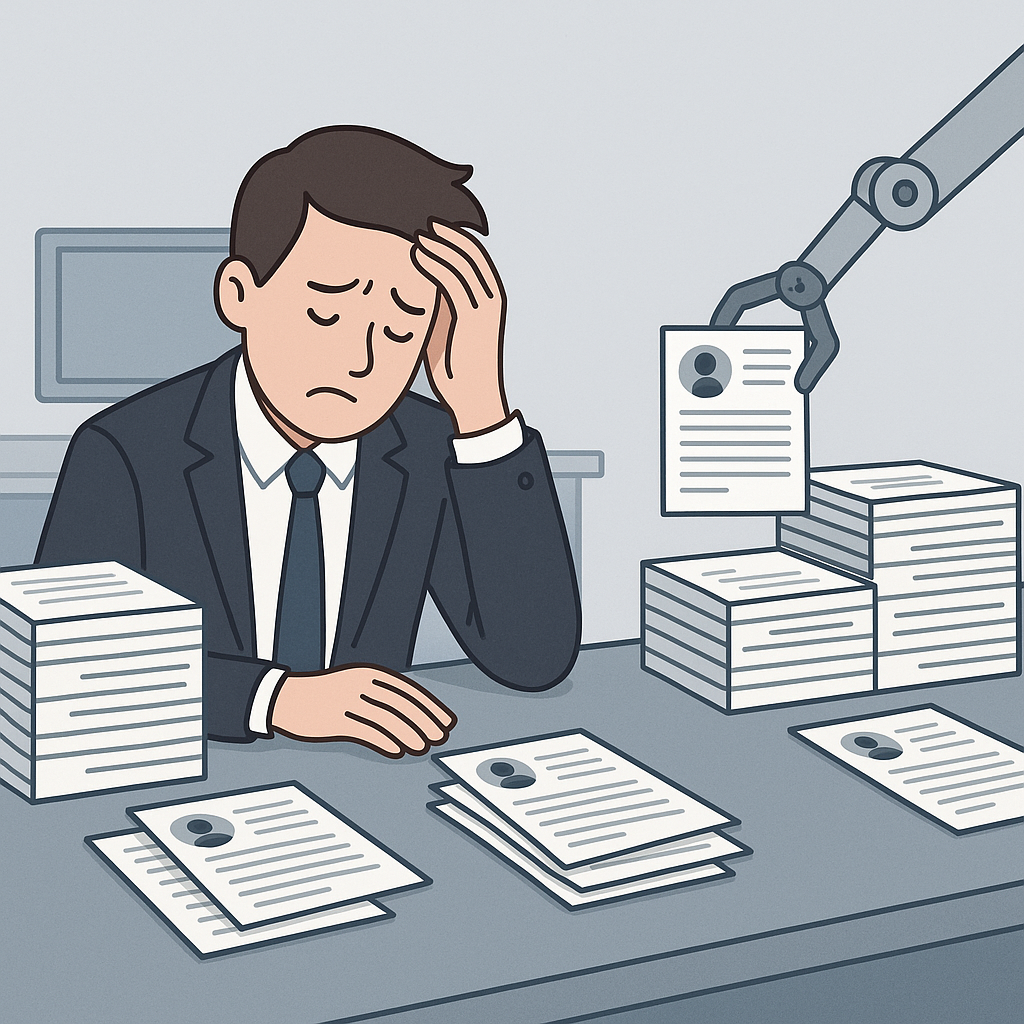
We need to talk about toxic workplaces. In a recent survey, Monster found that 76% of workers believe their job negatively impacts their mental health. That’s not just a stat—it’s a warning sign. Burnout isn’t rare anymore; it’s the norm. And you know what’s worse? Recruiters often unintentionally fuel this cycle during hiring.
The Hidden Role of Recruiters in Workplace Toxicity
Let’s be honest. Recruiters can’t fix bad bosses or overhaul company culture. But they can make sure toxic dynamics aren’t baked into the hiring process. When you hire the wrong person—or worse, mislead candidates about the role—you’re setting everyone up for failure. How?
- Mismatch stress: Ever seen a candidate hired for “flexible hours” only to end up chained to their desk? That’s on us. A mismatch between expectations and reality can lead to immediate dissatisfaction.
- High turnover pressure: Every bad hire adds stress to the team that stays. They carry the load until another replacement comes along, often feeling resentful and overworked.
- Ignoring red flags: If a candidate’s resume screams burnout (job-hopping, unexplained gaps), do you ask why? Or do you just move them forward? Asking the right questions can save both sides from future frustration.
For example, imagine hiring someone for a fast-paced customer service role without addressing the emotional toll. If this candidate left their last three similar roles due to burnout, you’re likely perpetuating a cycle of failure—for them and the team.
Burnout Stats You Can’t Ignore
Burnout is everywhere. According to Gallup, 76% of employees experience burnout at least sometimes, with 28% reporting it “very often.” These aren’t just numbers; they reflect a widespread epidemic.
Want the financial impact? Burned-out employees cost companies $300 billion annually in lost productivity and turnover, according to the American Institute of Stress. Beyond dollars, burnout affects team morale, creativity, and long-term growth.
Consider the healthcare industry: Medscape’s 2022 Physician Burnout Report found that 47% of U.S. physicians reported burnout. What’s worse? Burnout in healthcare doesn’t just harm employees—it can directly impact patient outcomes. If recruiters don’t prioritize hiring resilient professionals for high-stress roles, the ripple effects can be catastrophic.
How TalentNext’s AI Tools Can Help
Hiring smarter starts with better screening. One of the biggest problems in toxic workplaces is hiring people who don’t fit—not just culturally, but emotionally. Here’s where tools like TalentNext shine.
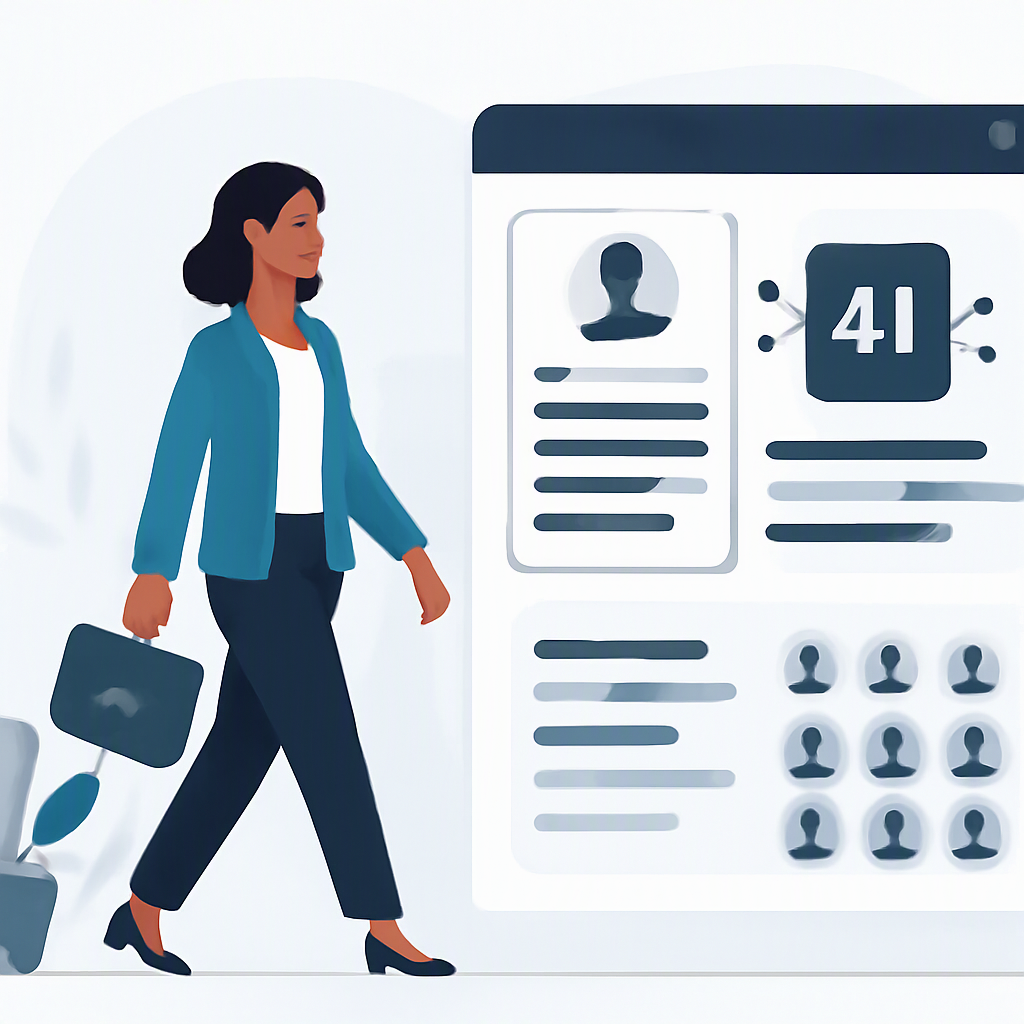
TalentNext’s AI-powered resume screening doesn’t just look at qualifications. It can analyze resumes for patterns that suggest stress or instability—frequent job changes, gaps, or roles with extreme hours. This isn’t about judging candidates; it’s about flagging potential burnout.
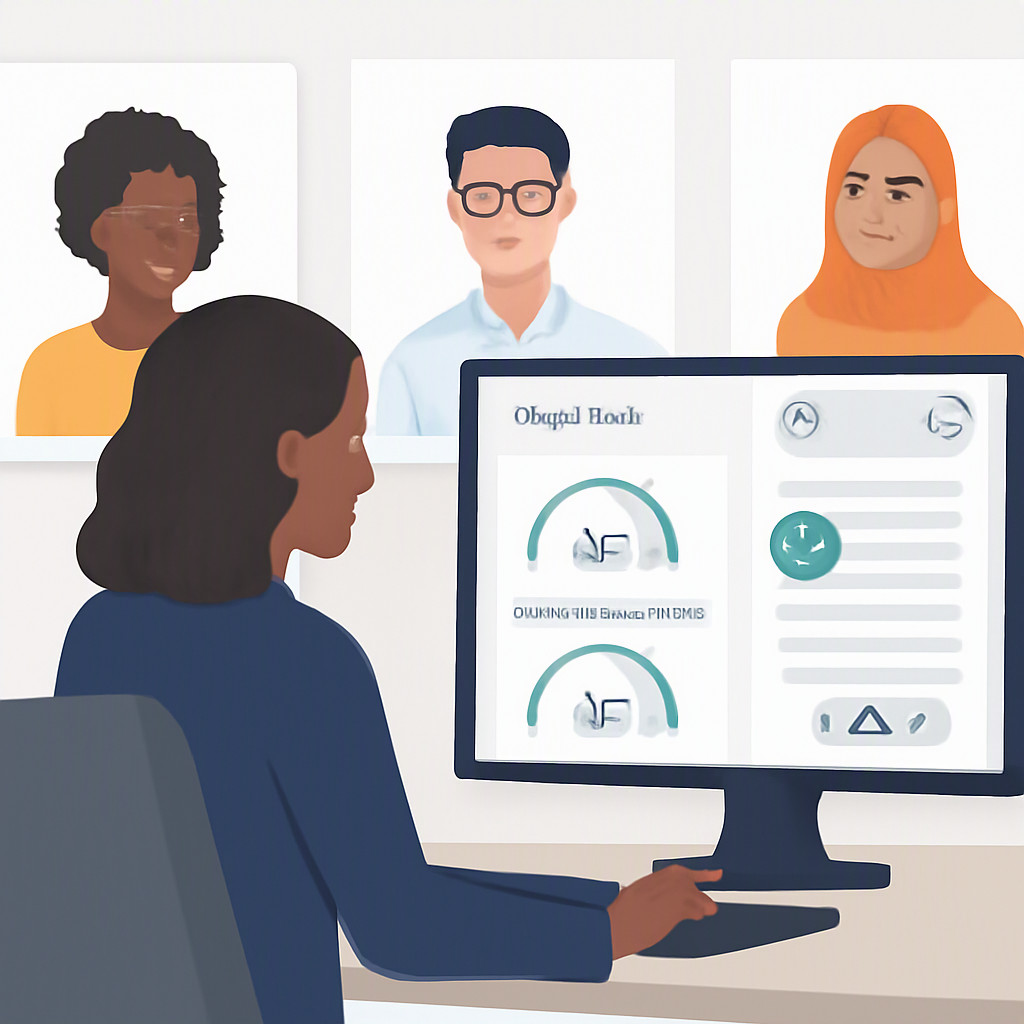
For example, let’s say you’re hiring for a high-pressure sales role. Using TalentNext, you can upload the job description and instantly get candidate scorecards showing how well each applicant matches—not just the skills, but the role demands. If someone’s resume shows a pattern of leaving similar roles after six months, that’s a conversation worth having. You save time, avoid mismatches, and create a better experience for everyone.
Real-World Success Story
Take the case of a logistics company that used TalentNext. They were struggling with a 35% turnover rate in their warehouse team. After implementing AI-powered screening, they identified candidates who thrived in physically demanding environments and flagged those with prior burnout patterns. The result? Turnover dropped to 18%, saving them over $100,000 in retraining costs within six months.
What Recruiters Can Do Right Now
You might be thinking, “I can’t change the company culture.” True. But you can:
- Be honest in job postings: If the role’s demanding, say so upfront. Transparency attracts candidates who can handle it. For example, instead of “fast-paced environment,” write “high-pressure role requiring quick decision-making under deadlines.”
- Screen for soft skills: Resilience, communication, and adaptability matter more than ever in toxic environments. Behavioral interviews can uncover these traits—ask candidates how they’ve handled challenges in previous roles.
- Use AI to reduce bias: TalentNext’s tools help you focus on job-fit data, not gut feelings. That means fewer mismatches. For instance, AI can flag candidates whose skills align with the job but who may struggle with the pace.
- Talk about mental health: Ask candidates about their ideal work-life balance. It’s not invasive—it’s responsible. Example: “What does a healthy work environment look like to you?”
- Prioritize onboarding: A well-structured onboarding process can reduce stress. Make sure new hires feel prepared, supported, and connected.
Actionable Steps for Better Hiring Practices
| Problem | Solution | Tools to Use |
|---|---|---|
| Mismatched expectations | Transparent job descriptions | AI-powered job description tools |
| High turnover | Screen for resilience | Behavioral interviews, TalentNext |
| Burnout-prone candidates | Flag burnout patterns in resumes | AI resume analysis |
| Poor onboarding | Create structured onboarding processes | Checklists, mentorship programs |
The Obvious Objection: Isn’t This Slower?
You might worry this approach takes extra time. It doesn’t. TalentNext cuts resume screening time by 75% by automating the grunt work, so you can focus on meaningful conversations. Their own case studies show recruiters save up to 23 hours per role—hours you can use to dig deeper into cultural fit.
Why It Matters
When recruiters prioritize mental health, they’re not just helping candidates or companies. They’re helping themselves. Toxic workplaces don’t just burn out employees—they burn out recruiters too. Ever felt like you’re drowning in mismatched resumes? AI tools like TalentNext let you focus on what matters: hiring well instead of hiring fast.
If you’re tired of mismatched hires draining your team’s energy, TalentNext can help. Their AI-powered tools simplify screening, flag key insights, and cut hiring time by 75%. Get started free →