Why Manual Resume Screening is Broken
Let’s be honest — no one actually enjoys sifting through resumes. It’s tedious, and the odds of missing a great candidate (or wasting time on an unqualified one) are sky-high. A study by Glassdoor found that it takes recruiters an average of 23 hours to screen resumes for a single hire. Multiply that by the number of open roles, and it’s clear why many hiring teams are drowning in admin work.
The problem? Manual screening relies on human judgment, which is inconsistent when you’re reviewing 300+ resumes that start blending into each other. Add in recruiter fatigue, and you’re practically begging for bad matches.
Where AI Steps In
This is where AI-powered recruitment tools like TalentNext shine. Instead of scanning resumes manually, you can use AI to:
- Analyze resumes in bulk — Upload hundreds of resumes at once and let the system do the heavy lifting.
- Match candidates to job descriptions — AI compares key skills, qualifications, and experience against the job posting.
- Score candidates for relevance — You get a ranked list of candidates, so you know exactly who to prioritize.
Let’s break this down with a real-world example.
Practical Example: How Resume Scoring Works
Imagine you’re hiring for a Software Engineer role. You’ve posted the job online and received 250 applications. Great, right? Not really. You know half of those resumes are probably irrelevant, but you still need to check.
Using TalentNext, here’s how it plays out:
- Bulk Upload: Drag and drop all 250 resumes into the system. Done in two minutes.
- AI Analysis: The tool parses each resume, looking for keywords like “Python,” “Agile,” and “AWS.” It also evaluates soft skills based on phrasing (e.g., leadership, communication).
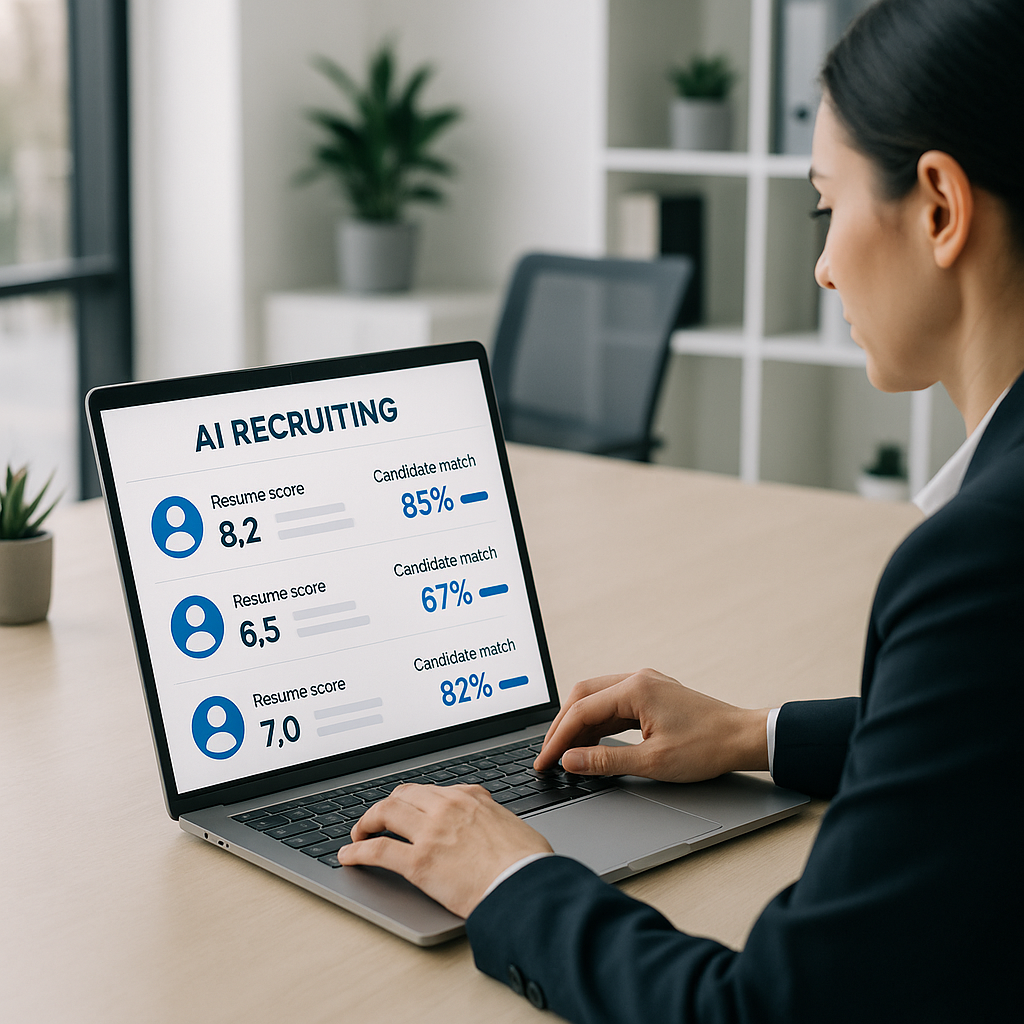
- Candidate Scores: Each resume gets a score — let’s say 85% match for Candidate A, 72% for Candidate B, and so on.
- Actionable Insights: You immediately focus on the top 10 candidates with scores over 80%, skipping the irrelevant ones.
Result? You’ve just saved hours of work and made sure you’re focusing on the right talent.
Addressing the Skeptics
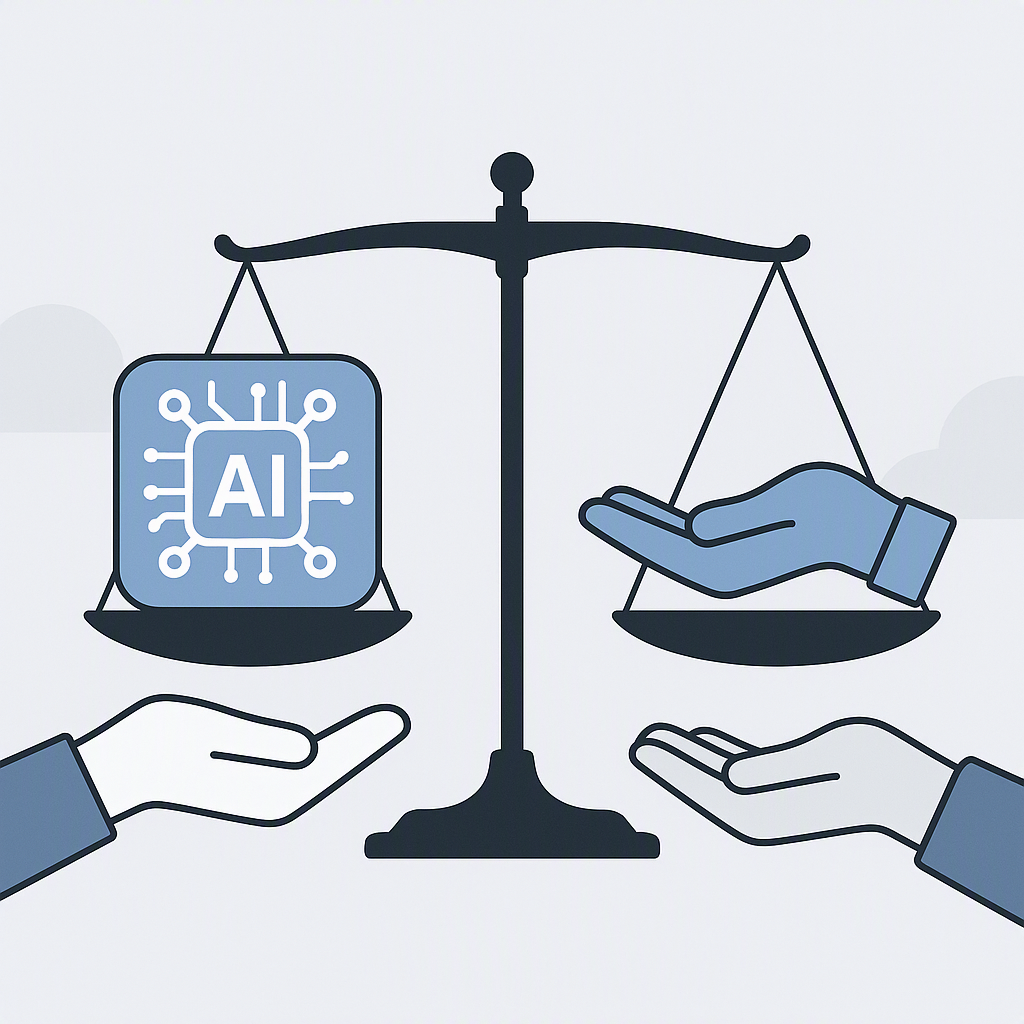
You might be thinking, “AI can’t replace human intuition.” And you’re right — it’s not a replacement. It’s a filter. By removing the noise, AI gives you the bandwidth to spend time engaging with top candidates, not weeding out the obvious mismatches.
Another concern? Bias. AI can reflect biases in the data it’s trained on. That’s why tools like TalentNext are designed to prioritize job-relevant skills and experience over subjective factors like education pedigree, reducing the risk of bias creeping in.
The Bottom Line
AI-powered recruitment isn’t a gimmick. It’s a practical solution to a very real problem. If you’re still manually screening resumes in 2023, you’re leaving time and value on the table. Tools like TalentNext aren’t just about speeding things up — they’re about making smarter, more consistent hiring decisions.
Curious to see it in action? Try TalentNext and see how much time you save.
Ready to see TalentNext in action?
AI-powered resume screening and recruitment platform that instantly analyzes and scores resumes to streamline hiring.
Get Started Free →