Most Recruiters Waste Time on the Wrong Resumes
Let’s face it — you’re probably spending hours every week on resumes that shouldn’t have made the cut. Studies show that recruiters spend an average of 7 seconds scanning each resume The Ladders. Multiply that by 200 applicants, and you’ve already blown 2-3 hours. And that’s just step one.
Now, what if half those resumes are unqualified from the get-go? That’s a lot of wasted time. This is where AI-powered recruitment software steps in. It’s not just about speed — it’s about being smarter with your time.
The Problem: Manual Screening is Flawed
Here’s the thing: humans are inconsistent. You might reject a candidate today that you’d shortlist tomorrow — depending on your mood, the time of day, or how many resumes you’ve already seen. Bias creeps in, too. Did the candidate go to a flashy school? Does their formatting look professional? These factors shouldn’t matter as much as skills and experience, but they do.
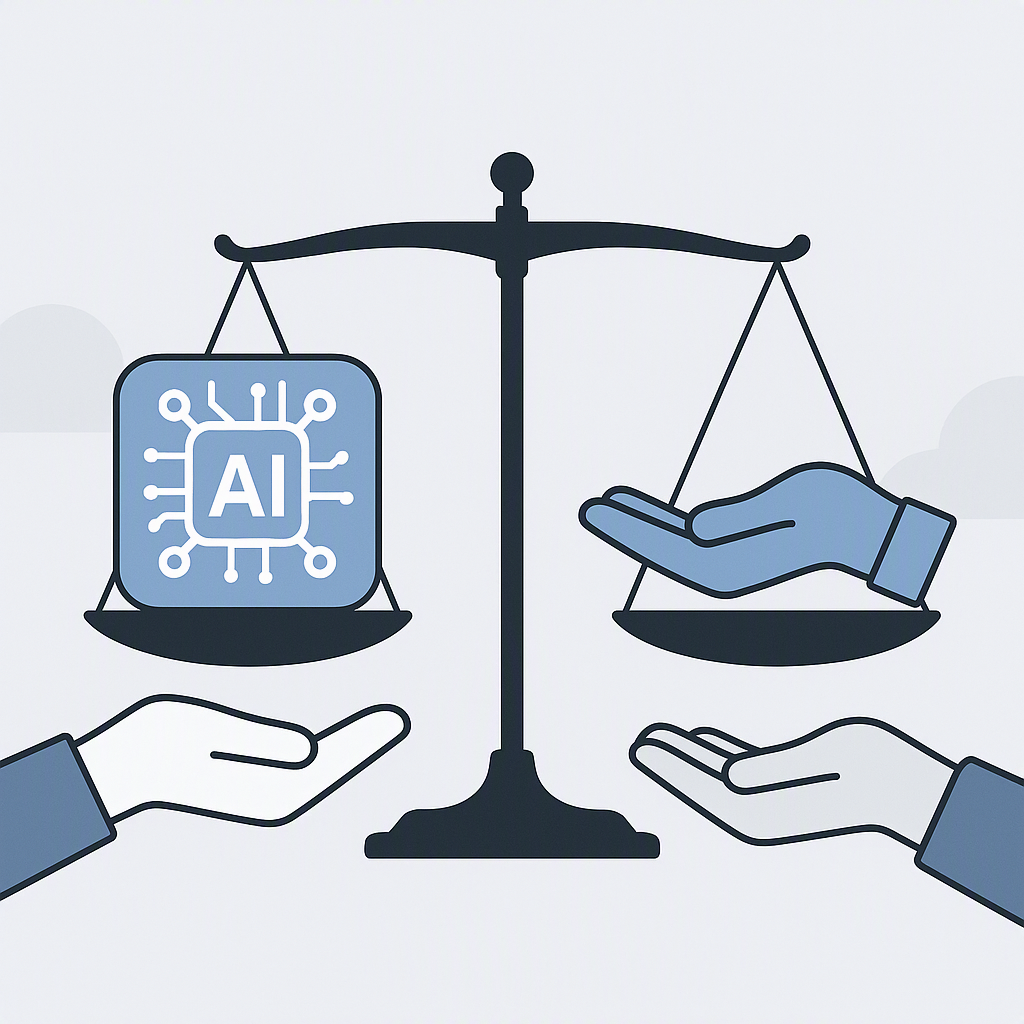
That’s why AI tools like TalentNext’s resume scoring feature are game-changers. They don’t just speed things up; they add consistency. The AI evaluates every resume against the job description using the same criteria. No distractions, no bias.
How AI Resume Screening Works (in Plain English)
Let’s break it down. When you upload a job description into TalentNext, the AI analyzes it for key skills, qualifications, and experiences. Then, it scans every resume in your pile and assigns a match score based on how well each candidate aligns.
For example, if you’re hiring a project manager, the AI might look for keywords like "Agile," "budget management," or "stakeholder communication." If a resume mentions these terms (and in the right context), it gets a higher score. If not, it drops lower in the list. You can prioritize the top scorers and skip the rest. Simple.
The Big Question: Does It Actually Work?
You might be thinking, “Can AI really evaluate resumes as well as a human?” Fair question. The short answer: it depends. AI won’t catch everything. It might miss soft skills or cultural fit. But for hard qualifications — certifications, tech stacks, years of experience — it’s remarkably accurate. And it doesn’t get tired or distracted.
Case in point: a mid-sized tech company we worked with reduced their screening time by 60% using TalentNext. They could finally focus on interviewing candidates instead of drowning in resumes.
What About Job Seekers?
If you’re looking for a job, you might hate the idea of an algorithm deciding your fate. But here’s the upside: tools like TalentNext offer AI-driven feedback for candidates. You can upload your resume, get a score, and see exactly where you’re falling short. Maybe you’re not using the right keywords. Maybe your formatting is all wrong. These insights can help you tailor your application for the roles you want.
Don’t Overthink It — Start Small
You don’t need to overhaul your entire hiring process overnight. Start with one feature. Try uploading a job description and running a batch of resumes through the AI. See how the scores line up with your gut instincts. You might be surprised.
Hiring is hard, and AI won’t solve every problem. But it can make the process faster, fairer, and less stressful. And that’s a win for everyone involved.
Ready to stop wasting time on the wrong resumes? Check out TalentNext and see how AI-powered recruitment can work for you.
Ready to see TalentNext in action?
AI-powered resume screening and recruitment platform that instantly analyzes and scores resumes to streamline hiring.
Get Started Free →