Recruiting can feel like a never-ending slog. A typical job posting attracts 250 resumes, and recruiters spend an average of 23 hours screening candidates for just one hire. That’s 23 hours spent on manual resume reviews instead of engaging with top talent. It’s a broken system.
But here’s the thing: it’s fixable. AI-powered recruitment tools, like TalentNext, promise to change how we approach hiring. And no, this isn’t just another tech buzzword. It actually works. Let’s break it down.
The Time Sink of Manual Screening
If you’ve ever sifted through a stack of resumes, you know the pain. It’s repetitive, exhausting, and prone to human error. You’re constantly looking for that perfect alignment between job descriptions and candidate qualifications. But when you’re balancing hundreds of resumes, consistency flies out the window.
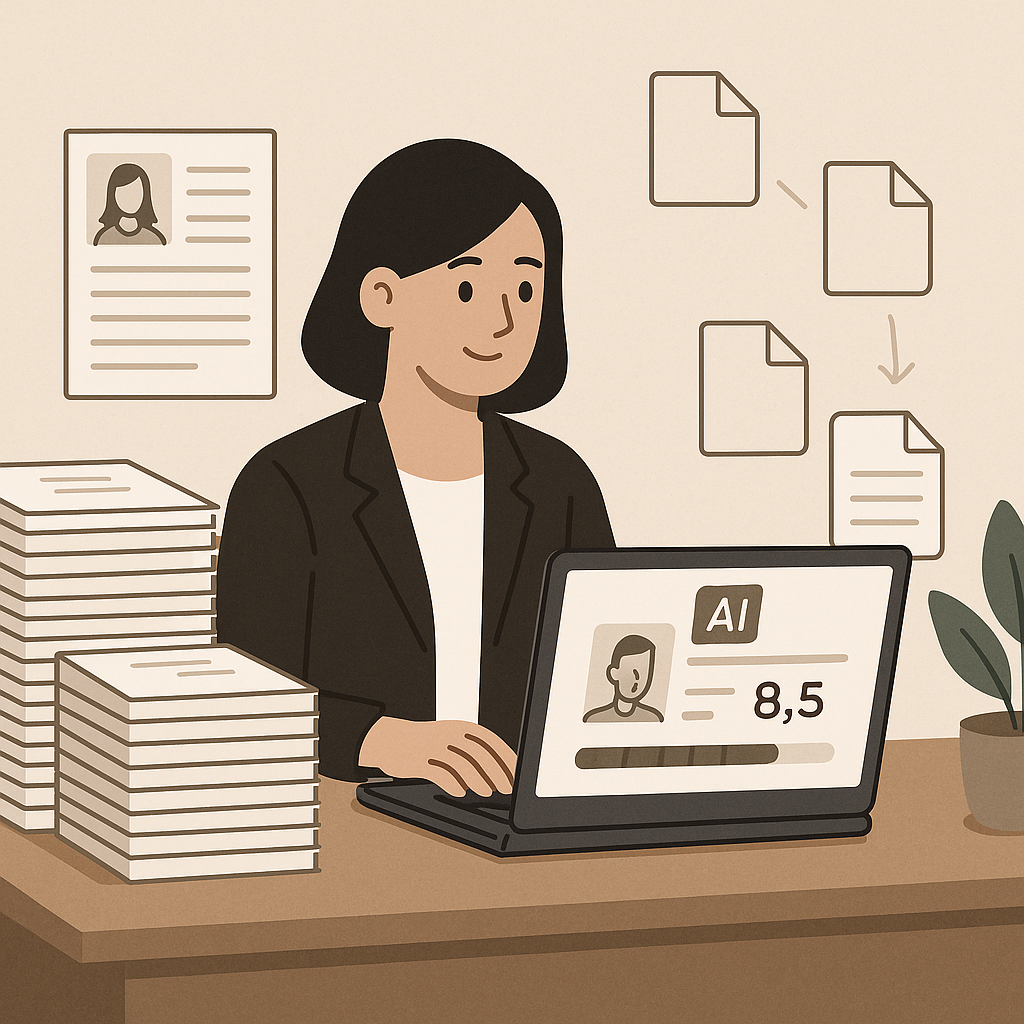
Here’s where AI shines. Tools like TalentNext analyze resumes against job descriptions in seconds. Seconds—not hours. For example, TalentNext’s bulk resume upload feature lets you process hundreds of resumes at once. It doesn’t just skim for keywords; it scores each resume based on how well it matches the job requirements. Think of it as your personal assistant that never gets tired, distracted, or biased.
Skeptical? Here’s a Real-World Example
You might be thinking, “Sure, it sounds nice, but does it actually work?” Let’s talk numbers. In a study by Ideal, AI screening tools reduced time-to-hire by 75% for companies handling large applicant pools. That’s because AI handles the grunt work—sorting, scoring, and ranking candidates—so recruiters can focus on interviews and deeper evaluations. Ideal backs this up with data.
Here’s another example: A mid-size tech company used TalentNext to screen 500 applicants for a software developer position. Before AI, their hiring manager spent two weeks just getting to a shortlist. With TalentNext, it took 48 hours. And the best part? The system flagged two high-potential candidates the manager would’ve missed because their experience wasn’t 100% traditional. Human bias? Eliminated.
The Obvious Objections
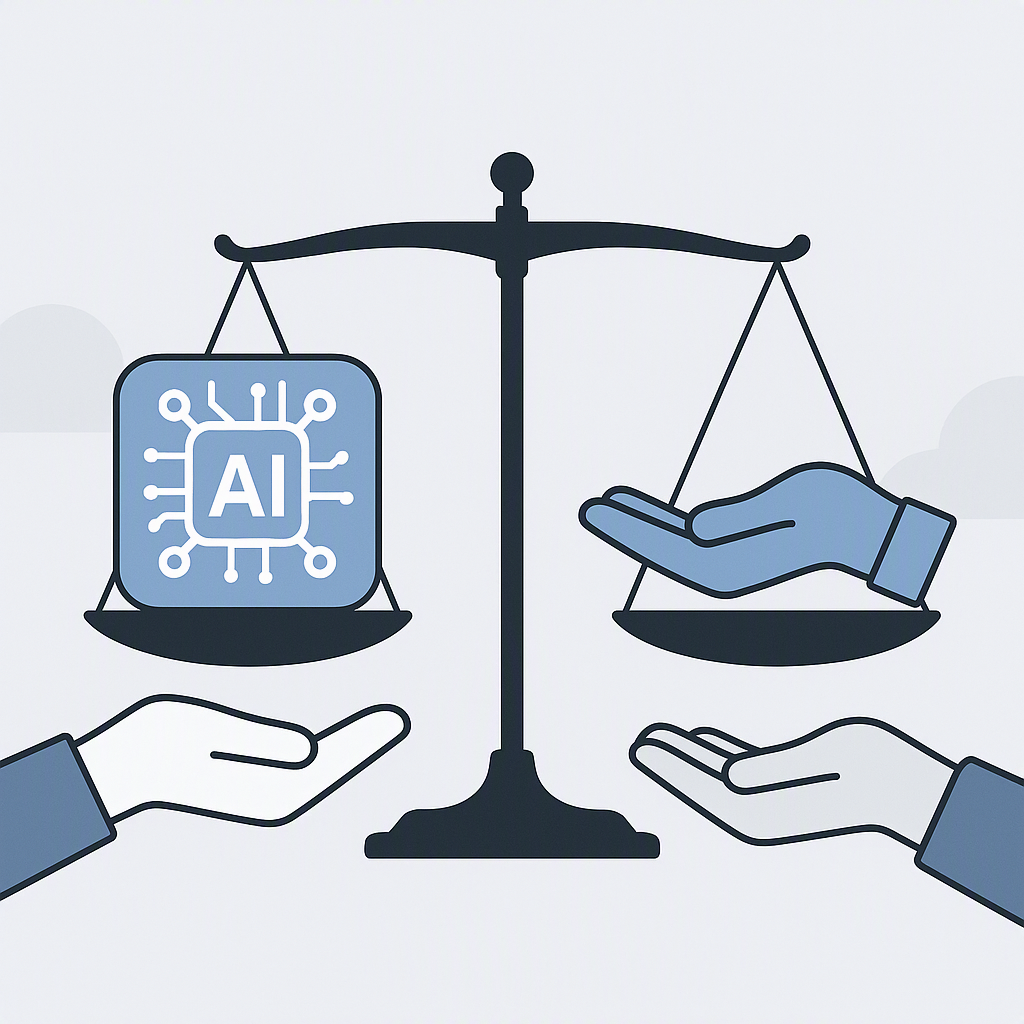
You might worry, “What if AI gets it wrong? Can it really evaluate soft skills?” Fair points. AI isn’t perfect. It can’t read between the lines or evaluate cultural fit. That’s still your job. What it does is give you a head start. Instead of drowning in resumes, you’re focusing on a refined list of strong contenders. It’s a partnership, not a replacement.
And for candidates? Tools like TalentNext provide AI-driven feedback to improve their resumes. A candidate might learn they’re overloading their CV with jargon or missing key skills relevant to the job. That kind of insight levels the playing field.
Why This Matters
Recruitment isn’t just about filling seats. It’s about finding the right people, faster. If AI can save you 75% of your screening time, that’s not just a win for your calendar—it’s a win for your company’s bottom line. Unqualified resumes don’t pile up, top talent doesn’t slip away, and recruiters get to do what they’re actually good at: connecting with people.
So, is AI-powered recruitment worth it? Absolutely. But only if you’re ready to stop wasting time and start using tools that actually make your life easier.
Ready to see TalentNext in action?
AI-powered resume screening and recruitment platform that instantly analyzes and scores resumes to streamline hiring.
Get Started Free →