Let’s face it: manual resume screening is broken
If you’re in recruitment, you know the pain. A new job posting goes live, and within days (sometimes hours), you’re buried in resumes. Most don’t match the job requirements. Some are flat-out irrelevant. And yet, you still have to comb through all of them.
On average, recruiters spend 23 hours per week screening resumes for a single role. That’s a lot of time you could spend actually talking to top candidates instead of wading through unqualified ones. Ewance makes it clear: this is where AI-powered recruitment tools step in to save the day.
What’s AI-powered recruitment, really?
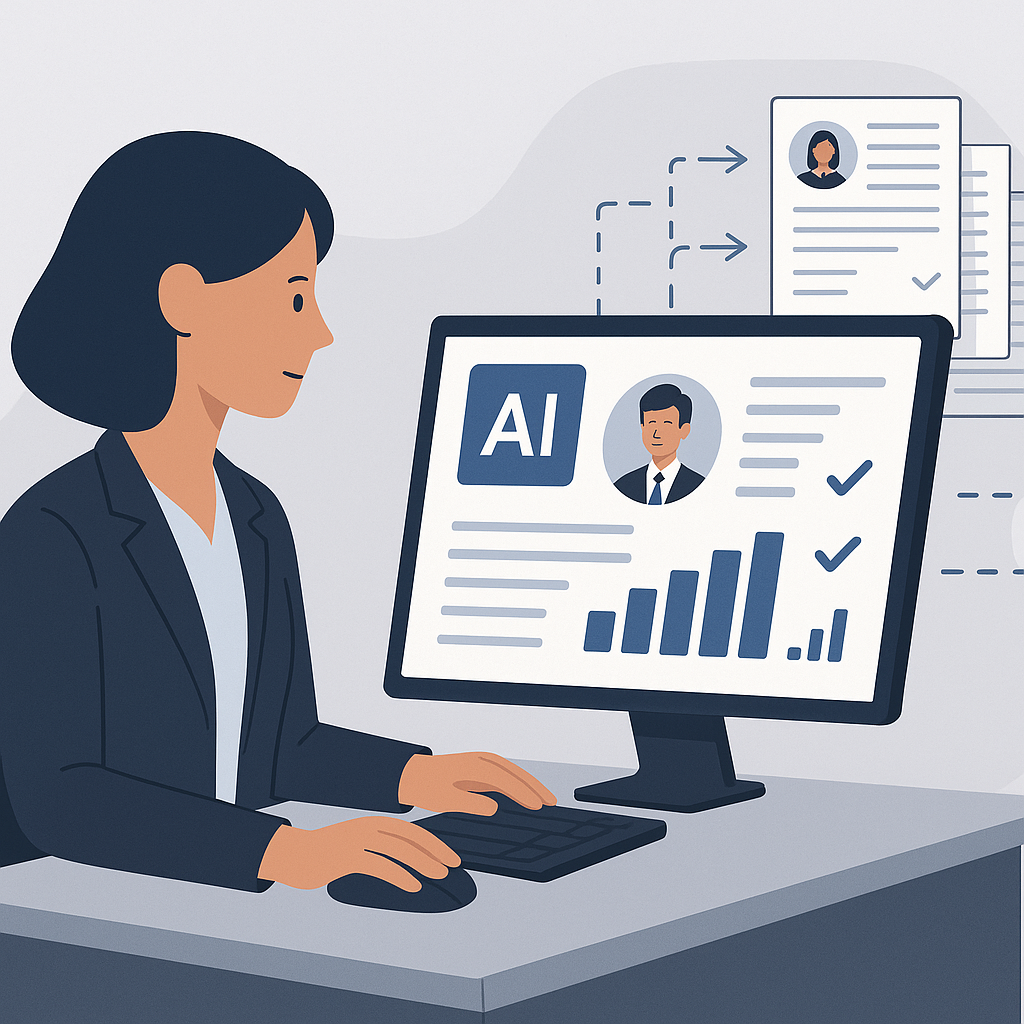
It’s simple: instead of you manually reviewing resumes, software uses AI to analyze and score them based on how well they match the job description. Think of it as a hyper-focused assistant that doesn’t get tired or distracted. The best tools, like TalentNext, even go a step further — they highlight the strongest candidates so you can prioritize your outreach.
Here’s an example: with TalentNext’s bulk resume upload and processing feature, you can upload hundreds of resumes at once. The AI analyzes each one, scores it against the job description, and creates a candidate scorecard. You instantly see who’s a good match and who’s not worth your time. No more guessing. No more wasted hours.
But does it really work?
You might be skeptical. What if the AI misses a great candidate who doesn’t have the “right” keywords? Fair question. The truth is, no system is perfect (and anyone who tells you otherwise is lying). That said, AI-powered tools are getting smarter every day. They don’t just look for keywords; they understand context. For instance, if a job description says “project management,” the AI will recognize phrases like “managed schedules” or “led teams” as relevant experience.
And let’s be honest: even humans miss things when reviewing hundreds of resumes. AI isn’t flawless, but it’s consistent. It gives every resume the same level of attention, which is more than we can say for most recruiters after hour four of screening.
Time saved isn’t just time saved
Cutting screening time by 75% doesn’t just free up your calendar. It lets you focus on what really matters — building relationships with the best candidates. People want to feel valued during the hiring process, and that’s hard to do when you’re constantly playing catch-up with admin work.
Take this stat: according to a practical HR automation guide, recruiters using AI tools report faster time-to-hire and higher candidate satisfaction rates. Why? Because they have time to actually engage with candidates instead of spending it buried in Excel sheets.
What’s the catch?
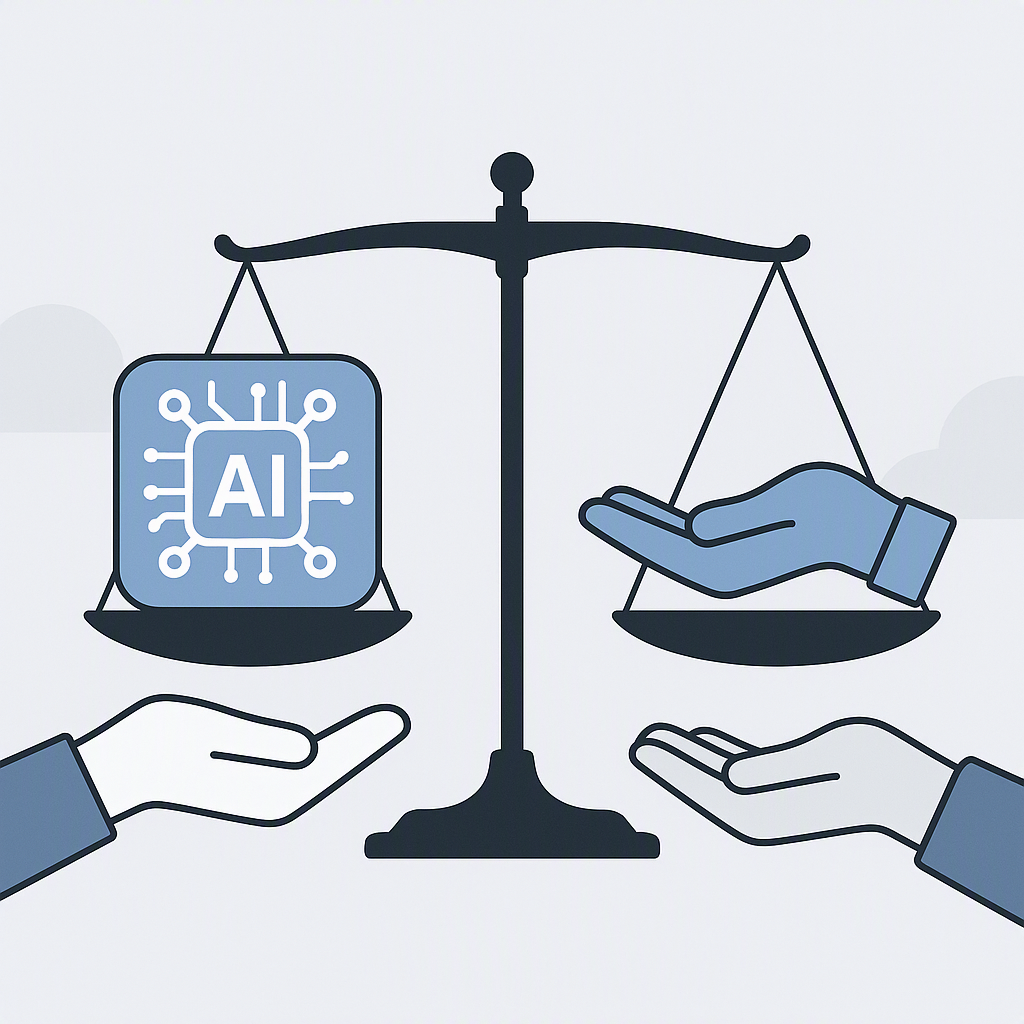
You might be wondering: does this mean recruiters will be replaced by AI? Absolutely not. AI doesn’t replace the human touch — it enhances it. Tools like TalentNext handle the grunt work so you can focus on strategic tasks, like interviewing and onboarding.
Think of it this way: AI is the calculator, but you’re still the mathematician. The tool gives you accurate data, but you decide what to do with it.
Ready to try it?
If you’re still screening resumes manually, it’s time to rethink your process. Start small. Test an AI-powered tool like TalentNext on one role and see the difference. The results might surprise you — fewer wasted hours, better candidates, and (let’s be honest) less frustration.
AI-powered recruitment isn’t the future. It’s already here. The question is: are you using it yet?
Ready to see TalentNext in action?
AI-powered resume screening and recruitment platform that instantly analyzes and scores resumes to streamline hiring.
Get Started Free →