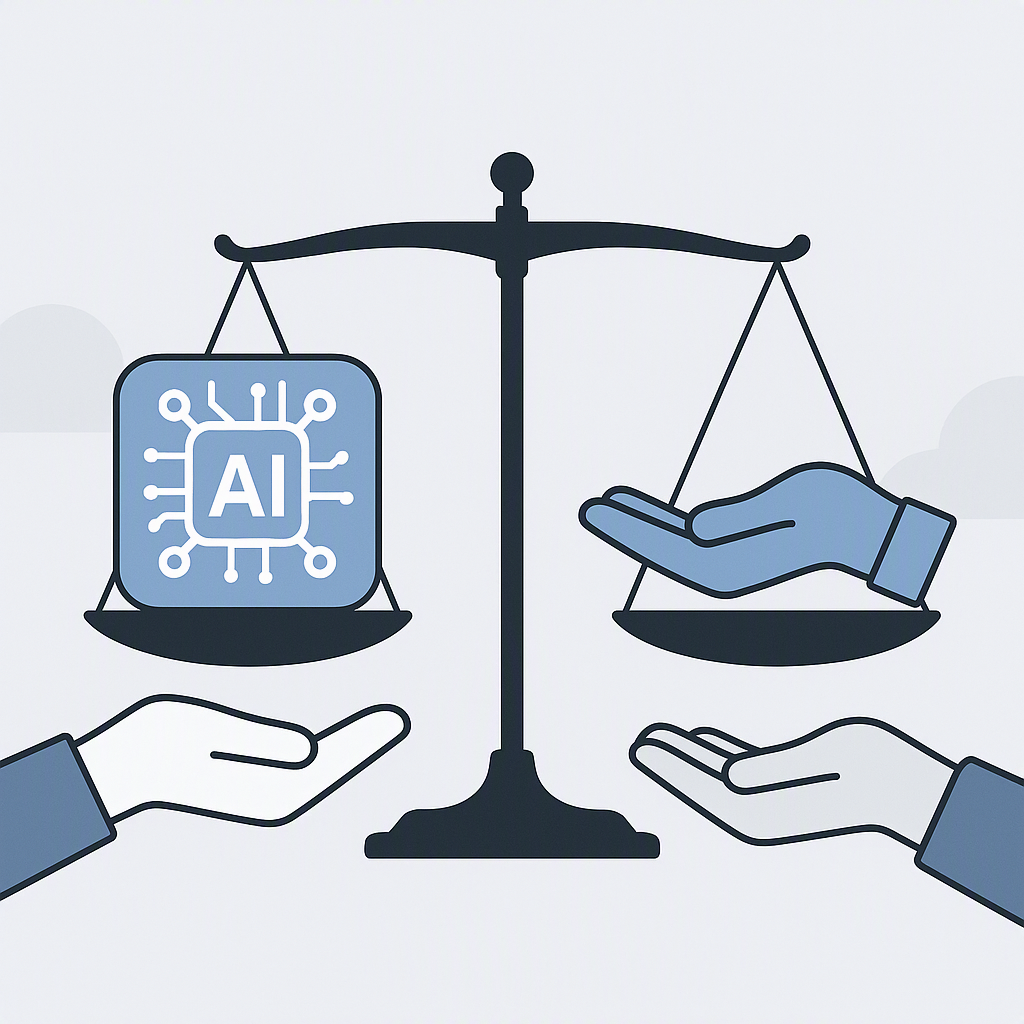
Let’s Talk About the Elephant in the Room: Bias and Inconsistency in Resume Screening
We’ve all been there. Hiring decisions can get messy when different recruiters interpret resumes differently. One recruiter might prioritize education, another might focus on job tenure. And let’s be honest—unconscious bias creeps in, no matter how hard we try to avoid it. The result? Inconsistent evaluations and missed opportunities to hire the right person.
Here’s where AI-powered recruitment software like TalentNext steps in. It doesn’t just save time (though trimming 75% off your screening workload is no small thing). It standardizes how resumes are evaluated, ensuring every candidate is assessed against the same criteria. That’s a big deal, especially when you’re dealing with hundreds—or thousands—of applicants.
How AI Scoring Works (and Why It’s Better Than Human Guesswork)
Imagine you’re hiring for a marketing manager role. You upload the job description into TalentNext, and the platform instantly analyzes it. Then, when candidates submit their resumes, AI assigns each one a score based on how well their skills, experience, and keywords match the job requirements. No more subjective "gut feelings." Instead, you get a candidate scorecard that’s measurable and fair.
Here’s what the scorecard typically highlights:
- Skill Match: Does the candidate have the required skills listed in the job description?
- Experience Relevance: How closely does their work history align with the job needs?
- Keyword Coverage: Are they speaking the same “language” as your JD?
This isn’t about replacing recruiters. It’s about giving them better tools so they can focus on the big stuff—like interviewing top candidates and selling them on the role.
What About Edge Cases?
You might be thinking, "What if a great candidate doesn’t use the right keywords?" Fair question. That’s where AI-driven feedback for job seekers comes in. TalentNext provides candidates with actionable suggestions to improve their resumes, helping them better showcase their fit for the role. It’s like having a career coach built into the application process.
And let’s not forget: AI doesn’t get tired. It doesn’t skim resumes faster after coffee and slower at 4 PM. It evaluates every single application with the same level of consistency. That’s something human recruiters—even the best ones—just can’t do.
Numbers Don’t Lie
According to a LinkedIn report, 79% of talent professionals say reducing time-to-hire is a priority, but only 23% feel their teams are equipped to do it. With AI-powered recruitment, you can make a dent in both problems: speed and consistency. TalentNext, for instance, has helped companies cut their screening time by 75%. That’s not just faster—it’s smarter.
Practical Takeaways for Recruiters
So, what can you do today to start leveraging tools like this?
- Audit Your Current Screening Process: How consistent are your candidate evaluations? If the answer is "not very," that’s your first red flag.
- Define Your Must-Have Criteria: What’s non-negotiable for the role? Make sure it’s clearly spelled out in your job descriptions.
- Try AI Resume Screening: Even if you’re skeptical, give it a shot. Start with a free trial or demo (like the one TalentNext offers) and compare the results to your current process.
- Educate Your Team: AI isn’t about replacing jobs; it’s about making them easier and more effective. Get buy-in from your team by showing them how these tools reduce grunt work.
The Bottom Line
AI-powered recruitment tools aren’t perfect (what is?). But when it comes to tackling inconsistent resume screening, they’re one of the best solutions we’ve got. They save time, reduce bias, and help you focus on what really matters—connecting with top talent.
If you’re still manually sifting through resumes, ask yourself: How many great candidates are slipping through the cracks? It’s time to find out.