Let’s Be Real: Resume Screening is a Time Sink
If you’ve ever sifted through hundreds of resumes for one role, you know how painful it is. You spend hours scanning for basic qualifications, only to find maybe 10% of applicants are worth a closer look. It’s exhausting, repetitive, and honestly—wasteful.
Here’s the kicker: AI can do most of that grunt work for you. Tools like TalentNext process resumes in bulk, analyze them against your job description, and flag the top candidates instantly. No more eyeballing every single application.
How It Works: Breaking Down AI Screening
AI-powered recruitment software isn’t magic, but it might feel like it. Let’s say you’re hiring for a data analyst position. You upload your job description into TalentNext. Then, drop in 500 resumes. The AI scans for key qualifications, like SQL proficiency, data visualization experience, and statistical knowledge.
Within seconds, it ranks candidates based on how well they match the role. You get a scorecard for each applicant, so you know exactly why someone fits—or doesn’t.
Imagine going from hundreds of resumes to a shortlist of 20 in minutes. That’s not just efficient; it’s a game-changer for your hiring timeline.
But Does It Work?
You might be skeptical. Does AI really ‘get’ what makes a candidate good? The truth is, it’s not perfect. If your job description is vague, the tool’s scoring will reflect that. Garbage in, garbage out. But when you use clear, specific job descriptions, the results can be surprisingly accurate.
For example, a recruiter using TalentNext reported cutting screening time by 65% while improving hire quality. Ewance’s article also highlights how AI tools consistently outperform manual screening in identifying top candidates. And it’s not just about speed—it’s about consistency. AI doesn’t get tired or distracted.
When AI Fails (and How to Fix It)
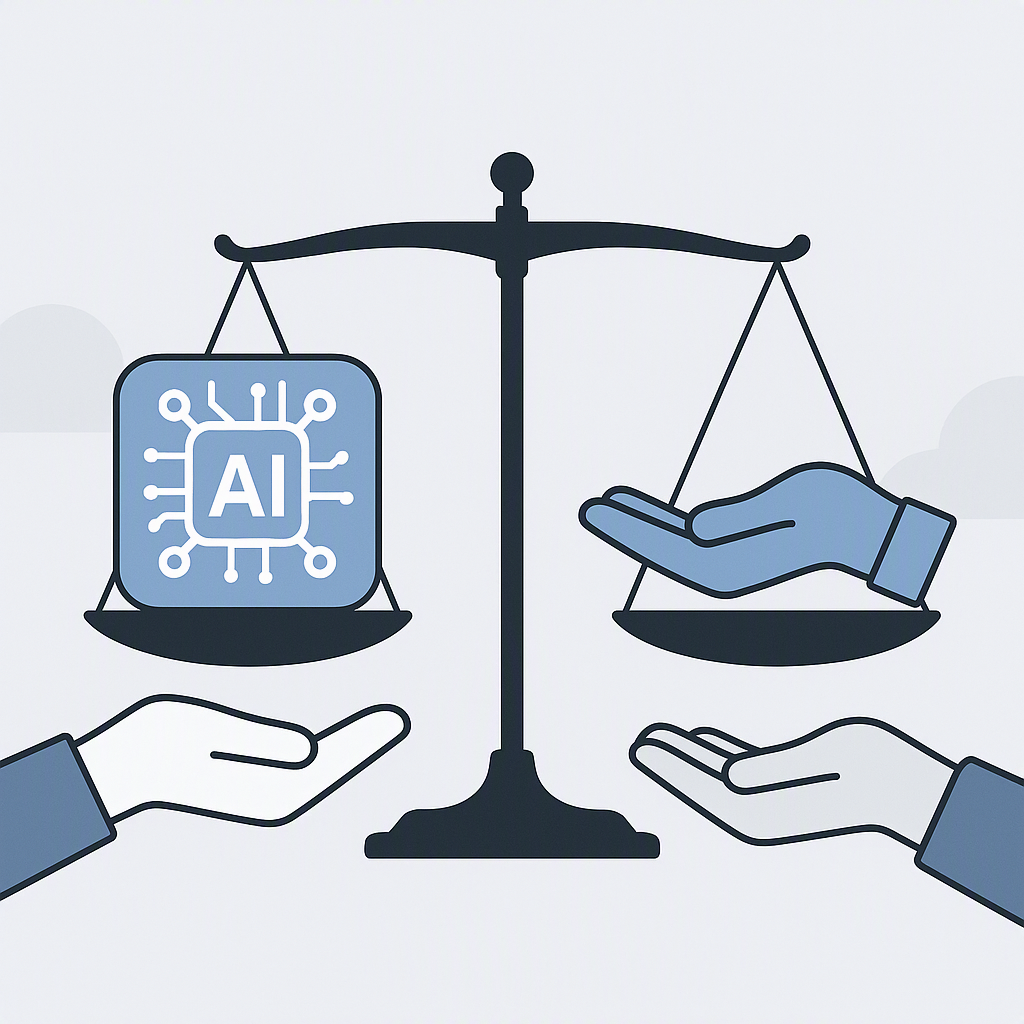
Here’s a common issue: AI might miss non-traditional candidates. Someone who learned coding through a bootcamp instead of a degree might get overlooked. That’s why human oversight is still critical. Use AI to narrow the pool, but don’t let it be the sole decision-maker.
Another challenge? Bias. If the AI learns from biased data (e.g., favoring candidates from specific universities), it can reinforce those biases. Tools like TalentNext address this by allowing recruiters to customize scoring criteria—so you’re in control, not the algorithm.
Practical Next Steps
- Start Small: Test AI screening on one role with a high volume of applicants—think entry-level positions or internships.
- Refine Your Job Descriptions: Be specific. Tools like TalentNext can only work with the data you give them. If you’re vague, the AI will be too.
- Review Top Picks: Use AI to create a shortlist, but always review the top candidates yourself. Add that human touch.
The Bottom Line
If you’re still doing manual resume screening for every single role, you’re wasting time. AI-powered recruitment tools like TalentNext won’t replace you, but they’ll make your job a hell of a lot easier. You’ll spend less time sorting resumes and more time engaging the candidates who actually matter.
Want to see it in action? Check out TalentNext and try it for yourself.
You might be surprised at how much time you’ll save.
Ready to see TalentNext in action?
AI-powered resume screening and recruitment platform that instantly analyzes and scores resumes to streamline hiring.
Get Started Free →