Why Job Seekers Are Losing Faith in the Hiring Process
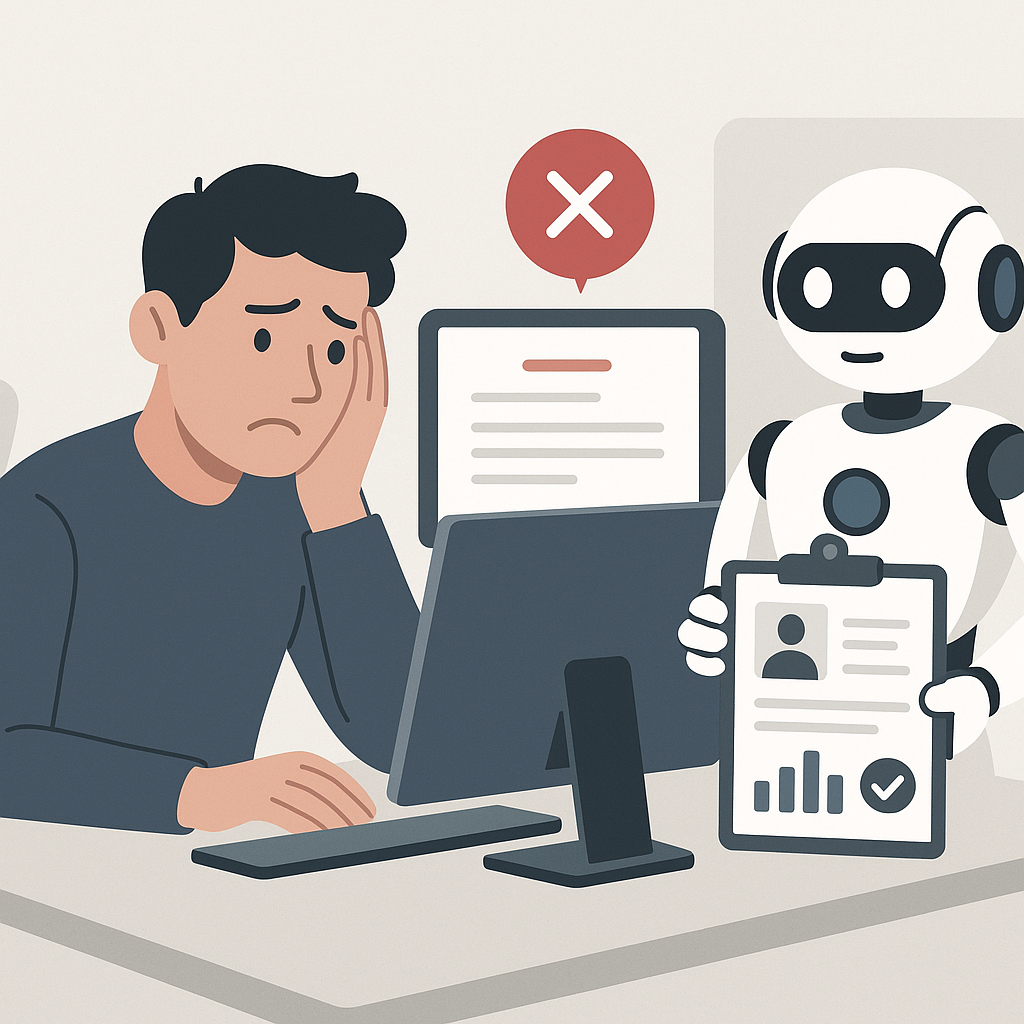
Imagine being rejected for a job and having no clue why. Or worse, never hearing back at all. That’s the reality for millions of job seekers today. Hiring processes are often opaque, slow, and impersonal. And candidates are fed up.
A 2022 LinkedIn survey revealed that 83% of candidates say a poor hiring experience makes them less likely to accept a job—even if it’s otherwise attractive. That’s a brutal stat. Recruiters may think they’re saving time by automating steps or streamlining processes, but if those changes alienate job seekers, what’s the point?
The biggest culprit? Lack of transparency. Job seekers don’t know how their applications are evaluated, why they’re rejected, or what they could’ve done better. It’s frustrating and demoralizing.
The Transparency Problem
Real-World Example: The "Black Hole" Effect
Consider this scenario: A top-tier software engineer applies for a position at a leading tech company. They spend hours tailoring their resume, researching the company, and even writing a personalized cover letter. Weeks go by without a single email or update. Eventually, they log into the application portal only to see the dreaded "Application Closed" status. No feedback. No explanation. Just silence.
This isn’t uncommon. A 2023 Jobvite report found that 58% of candidates never hear back from employers after submitting an application. Even worse, 72% of job seekers report being "ghosted" after an interview. That’s not just bad manners—it’s bad for business.
When candidates feel ignored or unfairly treated, they’re quick to share their negative experiences online. Platforms like Glassdoor and Indeed amplify these voices, damaging employer brands and discouraging other top-tier talent from applying.
How AI Can Help (If Used Correctly)
Let’s be honest: AI isn’t a magic fix. Used poorly, it can make hiring feel even more robotic and impersonal. But when applied thoughtfully, AI can actually improve the candidate experience.
Case Study: TalentNext’s AI-Powered Resume Feedback
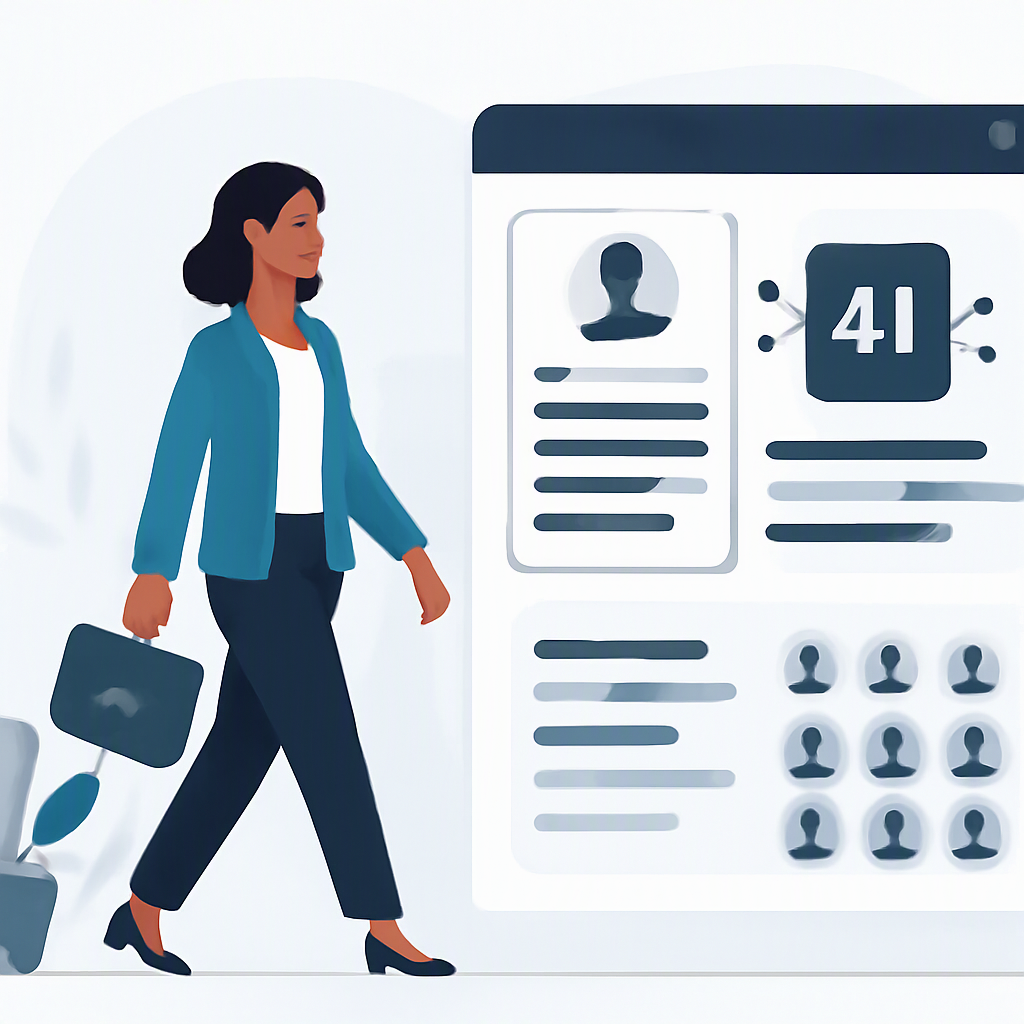
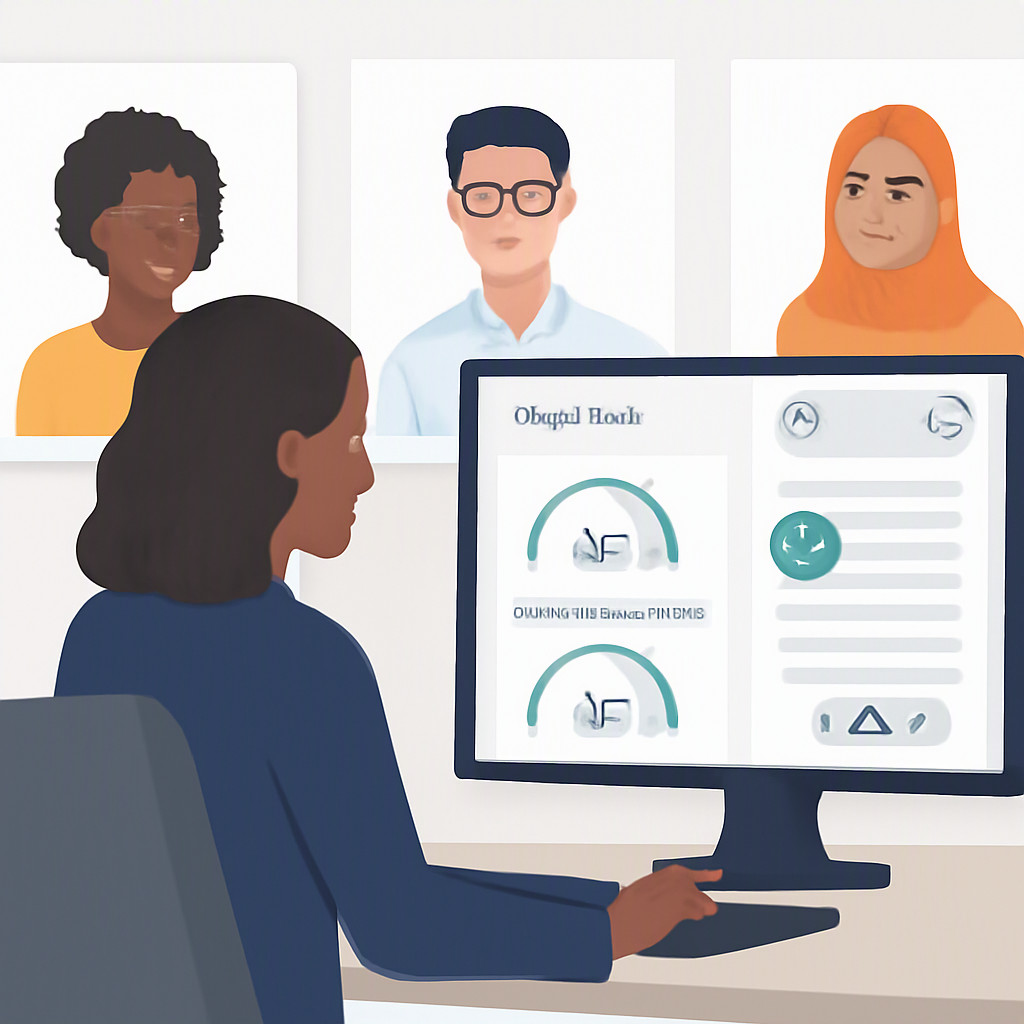
Take resume screening, for example. With tools like TalentNext’s AI-powered resume analysis, recruiters can process hundreds of applications in minutes and score them against the job description. But here’s the key difference: TalentNext doesn’t just sort candidates—it gives actionable feedback to job seekers.
For example, if a candidate’s resume lacks keywords matching the job description, the AI flags it and suggests improvements. It might say, “Consider adding relevant terms like ‘SEO,’ ‘Google Analytics,’ or ‘content strategy’ to better align with the role.” That’s not just rejection; it’s guidance. And that’s the kind of transparency job seekers desperately want.
Other AI-Powered Tools That Add Value
- Chatbots for Immediate Updates: AI chatbots can provide real-time updates on application status, reducing the anxiety of waiting. Tools like Paradox’s Olivia automate this process.
- Automated Interview Scheduling: AI tools like Calendly can coordinate interviews seamlessly, cutting down on back-and-forth emails.
- Bias Mitigation: Platforms like Pymetrics use gamified assessments to evaluate candidates based on skills and potential, rather than relying on biased resume data.
The Problem: Candidates Feel Invisible
Why Ghosting Is a Bigger Problem Than You Think
Ghosting isn’t just rude—it’s a reputational risk. When candidates feel ignored, they don’t just walk away; they talk. Social media platforms, review sites, and even word of mouth can spread negative impressions quickly.
In one infamous example, a major retail chain faced backlash after nearly 1,000 candidates reported being ghosted post-interview. Within weeks, their Glassdoor rating plummeted, and a viral LinkedIn post about the incident garnered over 500,000 views. The cost? A tarnished employer brand and a noticeable dip in applications for similar roles.
How AI Can Reduce Ghosting
AI tools can eliminate ghosting by automating communication. For example:
- Instant Rejection Notifications: If a candidate doesn’t meet the minimum requirements, AI sends an immediate, polite rejection email.
- Feedback Reports: Tools like TalentNext generate detailed scorecards that highlight strengths and weaknesses, ensuring candidates leave with actionable insights—even if they’re rejected.
- Follow-Up Scheduling: AI can remind recruiters to close the loop with candidates, ensuring no one gets left in the dark.
The Obvious Objection: Is AI Too Impersonal?
You might be thinking: Doesn’t AI make the process even colder? Isn’t it better for a human to review resumes?
The Human vs. AI Debate
Humans bring empathy, but they’re also prone to bias and inconsistency. For instance, studies show that recruiters spend an average of 7 seconds reviewing a resume. That’s not enough time to make a fair, informed decision.
AI, on the other hand, evaluates every resume using the same criteria. It doesn’t get tired, distracted, or influenced by unconscious biases. And it works fast—processing hundreds of applications in minutes instead of days.
Striking the Right Balance
The key is balance. Use AI for repetitive tasks like resume screening and scoring, but pair it with human judgment for interviews and final decisions. Candidates don’t mind automation if it’s fair and transparent. What they hate is feeling like their application disappeared into a black hole.
A Practical Example: Improving Resume Feedback
Let’s break this down with a real-world scenario:
- Before AI: A marketing professional applies for a job and receives a generic rejection email a month later. No explanation. No feedback.
- After AI: That same candidate applies and, within 48 hours, receives a personalized report from TalentNext’s AI tool. The report highlights:
- Missing keywords like “social media analytics” and “content ROI.”
- Formatting suggestions to improve ATS compatibility.
- A recommendation to highlight campaign metrics from previous roles.
Now, this candidate has something valuable: actionable advice. They can use it to refine their resume and apply again—or for other roles. It’s not just rejection; it’s an opportunity to learn.
Why Transparency Matters for Recruiters
Transparent processes don’t just help candidates—they’re a win for recruiters too.
The Business Case for Transparency
- Higher Applicant Retention: When candidates understand how they’re being evaluated, they’re less likely to drop out mid-process.
- Better Employer Branding: Companies with transparent hiring practices are 50% more likely to be recommended by candidates, according to a 2023 Glassdoor survey.
- Reduced Workload: Providing feedback upfront reduces the number of follow-up inquiries from candidates, saving recruiters time.
How to Avoid AI Pitfalls
AI isn’t perfect. If you don’t use it thoughtfully, it can feel just as impersonal as the worst hiring processes. Here are a few tips:
- Explain the process upfront: Let candidates know how their resumes will be evaluated. Will the AI focus on keywords? Formatting? Years of experience?
- Offer feedback: Don’t just reject candidates. Share insights on why they didn’t make the cut and how they can improve.
- Blend AI with human interaction: Use AI to handle repetitive tasks, but keep humans involved in interviews and final decisions.
- Track metrics: Monitor candidate satisfaction rates and drop-off points. If your process feels impersonal, adjust it.
Decision Framework: Should You Use AI in Hiring?
| Factor | When AI Works Well | When to Rely on Humans |
|---|---|---|
| Application Volume | High volumes requiring quick filtering. | Low volumes where personal attention is key. |
| Bias Concerns | Neutral, data-driven evaluations. | When cultural fit or empathy is essential. |
| Candidate Feedback | Automated, scalable feedback mechanisms. | Complex feedback requiring nuance. |
| Final Decision | Initial shortlisting or scoring. | Final interviews and offer discussions. |
Final Thoughts
Job seekers aren’t asking for much. They want transparency, fairness, and a little bit of humanity. AI can deliver that—if used correctly. Tools like TalentNext are proof that automation doesn’t have to be cold or opaque. It can actually make hiring more transparent and engaging.
If your hiring process needs a refresh, TalentNext can help. Get started free →