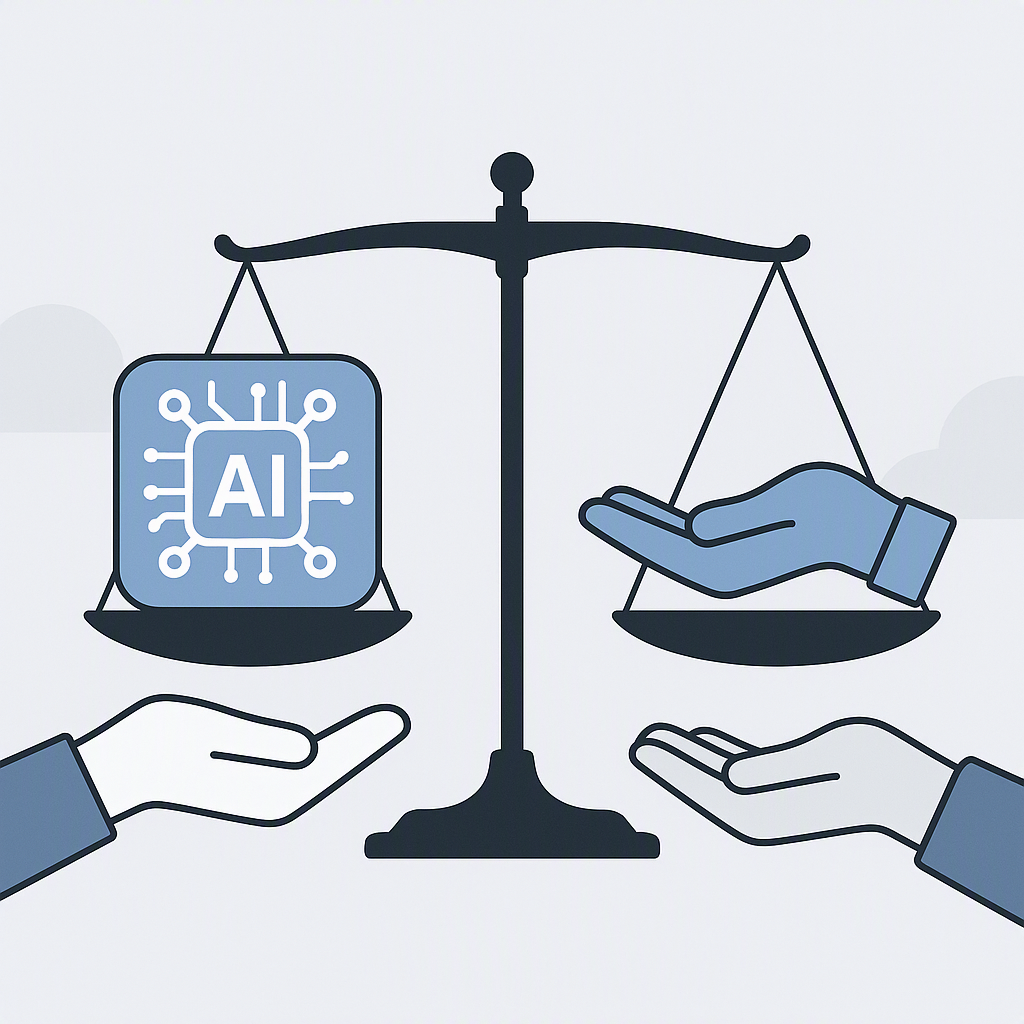
Let’s be honest: Manual resume screening is broken
If you’ve ever had to sift through hundreds of resumes for a single job opening, you know the pain. It’s tedious. It’s inconsistent. And it’s easy to miss qualified candidates because you’re too busy skimming buzzwords.
On average, recruiters spend 7.4 seconds scanning a resume. That’s it. Ladders found this in a study, and it’s no surprise. When you’re swamped with applications, you cut corners. But those corners? They cost you. How many great hires got tossed because their resume didn’t “look right” on first glance?
Enter AI-powered recruitment software
This is where AI comes in. It’s not magic, but it’s close. Tools like TalentNext analyze resumes in bulk, scoring each one against the job description. No more skimming. No more bias. Just a focused shortlist of candidates who actually fit the role.
Let’s take a concrete example. Say you’re hiring for a mid-level data analyst role. You’re flooded with 300 resumes. With manual screening, you’d likely spend hours separating the wheat from the chaff — and you’d still miss candidates who used different phrasing for the same skills (e.g., “data visualization” vs. “dashboard creation”). TalentNext’s AI doesn’t get tripped up by synonyms or formatting quirks. It looks at the actual substance, matching skills, experience, and keywords to the job description.
A real-world win: Saving time and frustration
I recently worked with a mid-sized tech company that implemented AI screening for their hiring team. Before using TalentNext, they spent 15 hours per week screening resumes. After integrating AI? They dropped that to just 4 hours. That’s an 11-hour savings weekly — time they could reinvest in interviews and candidate engagement.
And here’s the kicker: their quality of hire improved. Why? Because AI doesn’t get tired or distracted. It flagged candidates who might’ve been overlooked manually, like one applicant who lacked a traditional degree but had stellar project experience.
You might be skeptical — and that’s fair
“But what about bias?” That’s the most common pushback I hear. AI is only as good as the data it’s trained on, and poorly designed systems can absolutely replicate human biases. That’s why it’s critical to pick tools that prioritize transparency and fairness. TalentNext, for example, lets you review the criteria used in its scoring. No black box. No guesswork.
Another concern: “Will AI replace recruiters?” Not a chance. AI takes care of the grunt work, but it can’t replace the human touch — the ability to assess cultural fit, ask the right questions, and build relationships. Think of it as your assistant, not your replacement.
Ready to save time and hire smarter?
If you’re tired of wasting hours on manual screening, it’s time to rethink your process. AI-powered tools like TalentNext aren’t just nice-to-haves — they’re essential for staying competitive in today’s hiring market.
Want to see how it works? Try TalentNext and experience the difference yourself.
Ready to see TalentNext in action?
AI-powered resume screening and recruitment platform that instantly analyzes and scores resumes to streamline hiring.
Get Started Free →