Why Manual Screening is a Time Sink
Recruiters often spend significant time screening resumes for a single hire, with a large portion of applications failing to meet basic requirements. This process can be tedious, inefficient, and inconsistent, as different recruiters may evaluate candidates differently. For small talent acquisition teams, this inefficiency can hinder productivity. AI-powered resume screening tools offer a solution by automating and standardizing the process.
How AI Can Help Streamline Screening
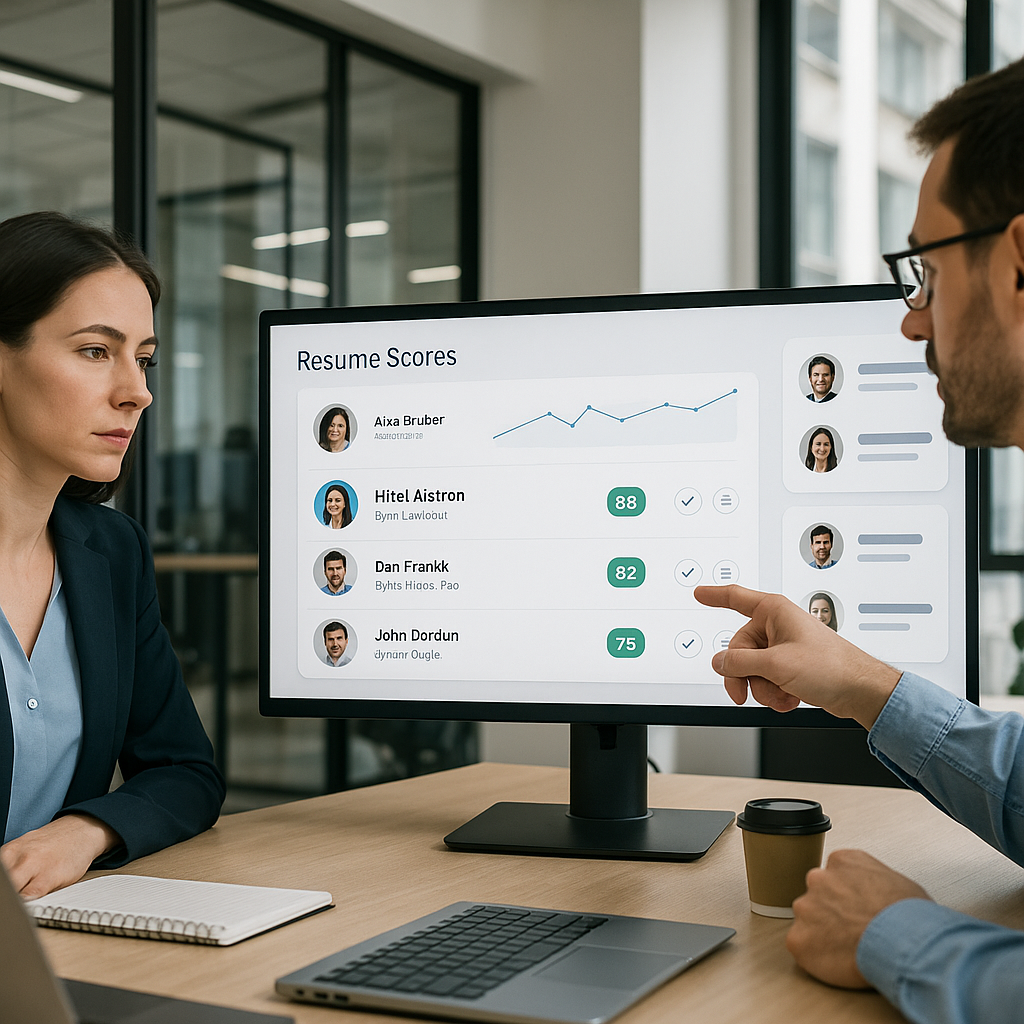
AI tools analyze resumes against job descriptions in bulk, automating the process of matching skills and keywords. These tools can generate ranked lists of candidates based on job-match strength, allowing recruiters to focus on reviewing top candidates rather than manually scanning each resume.
Illustrative example — Imagine uploading hundreds of resumes and receiving a ranked list of candidates within minutes. This approach eliminates the need for page-by-page scanning and reduces the time spent on initial screening.
The Quality Boost: Why Faster Doesn’t Mean Sloppy
AI tools are designed to analyze context, not just keywords. For example, they can differentiate between candidates with genuine expertise and those who use keyword-stuffing techniques. By focusing on qualifications and skills, AI tools aim to surface candidates who are a better match for the role.
Why AI Screening Matters in the Future
The hiring landscape is evolving, with larger applicant pools and more diverse job descriptions due to remote work and hybrid roles. Manual screening in such an environment can be overwhelming. AI tools enable recruiters to manage these challenges effectively by providing bulk processing, instant scoring, and actionable insights.
Common Objections: "What About Bias?"
Bias in AI algorithms is a valid concern. The fairness of AI depends on how the algorithms are designed and trained. Tools that prioritize skills and qualifications over demographic factors can help reduce bias. However, AI is not a replacement for human judgment. Recruiters should always manually review top candidates to ensure fairness and cultural fit.
What Recruiters Should Watch For
- Over-reliance on AI: While AI can streamline processes, human judgment is essential for evaluating nuances in candidate profiles.
- Bias in algorithms: Ensure your AI provider has measures in place to minimize bias and promote fairness.
- Misaligned job descriptions: Clear and accurate job postings are crucial for effective AI screening.
Conclusion
AI-powered resume screening tools offer a way for recruiters to save time and improve the quality of candidate matching. By automating repetitive tasks and providing actionable insights, these tools allow recruiters to focus on connecting with top candidates and making informed hiring decisions.