Why Are We Still Doing This the Hard Way?
If you’re in recruitment, you’ve probably spent more hours than you care to admit slogging through resumes. And let’s be honest—it’s mind-numbing. You’re looking for keywords, skimming bullet points, and trying to piece together if someone’s even remotely qualified. Worse? Half the time, you’re doing this for hundreds of applicants who applied just because they could.
According to a Glassdoor study, recruiters spend an average of six seconds scanning a resume. Multiply that by 300 applicants, and you’re burning 30 hours on initial screening.
It’s 2023. Why are we still doing this manually?
Enter AI-Powered Recruitment (and Why It’s Not Just Hype)
AI-powered recruitment software isn’t about replacing recruiters. It’s about taking the grunt work off your plate so you can focus on what really matters—engaging top candidates. One of the biggest wins? Automating resume screening.
Let’s break it down with a practical example. Say you’re hiring for a marketing manager role. You post a job, and within a week, you have 250 resumes sitting in your inbox. You know most of them won’t match the job description. But how do you filter out the noise without spending days on it?
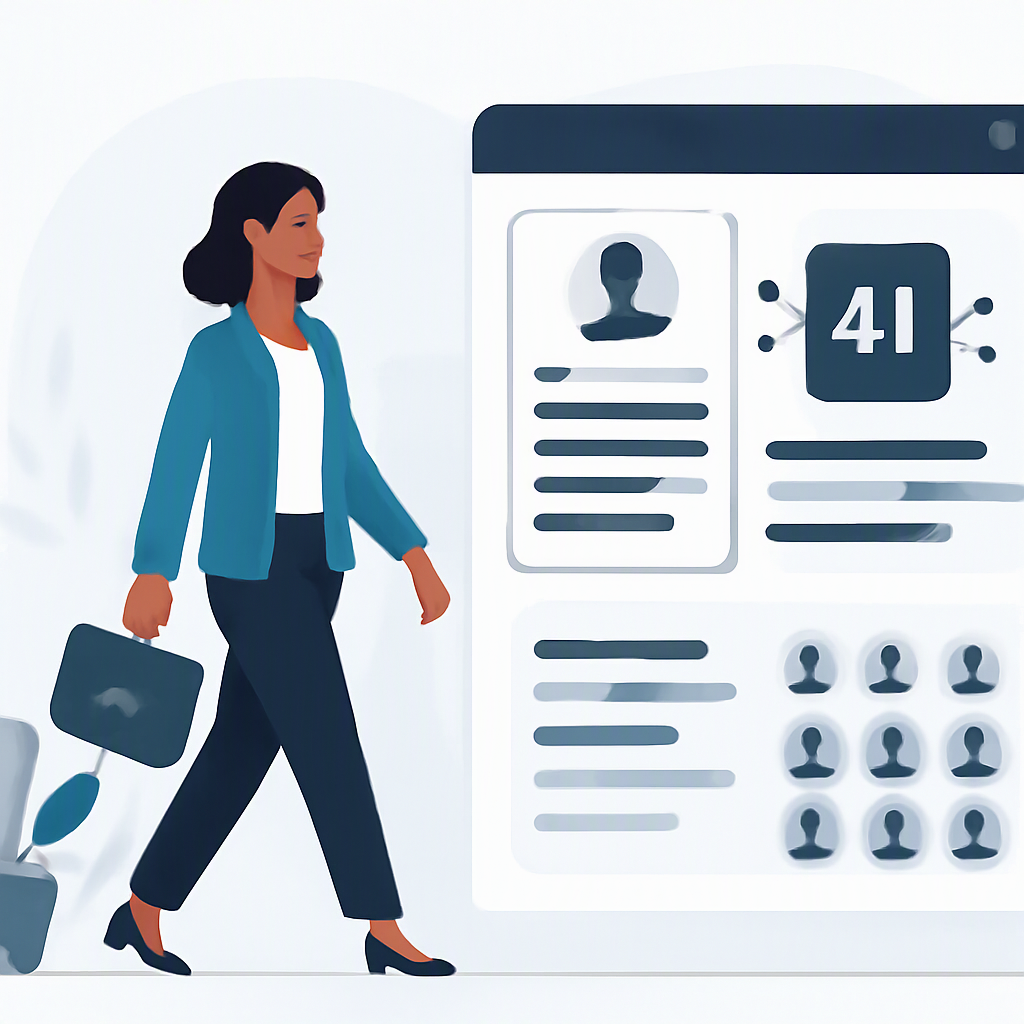
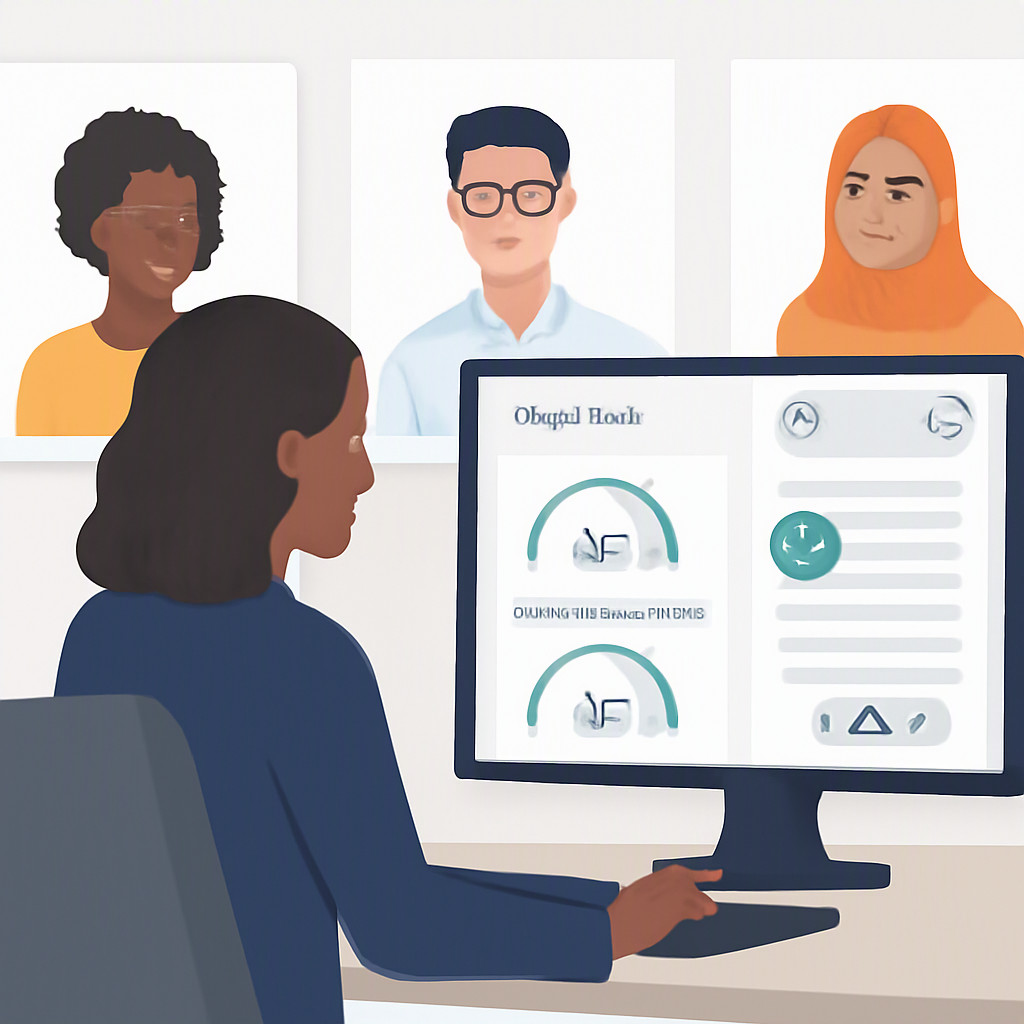
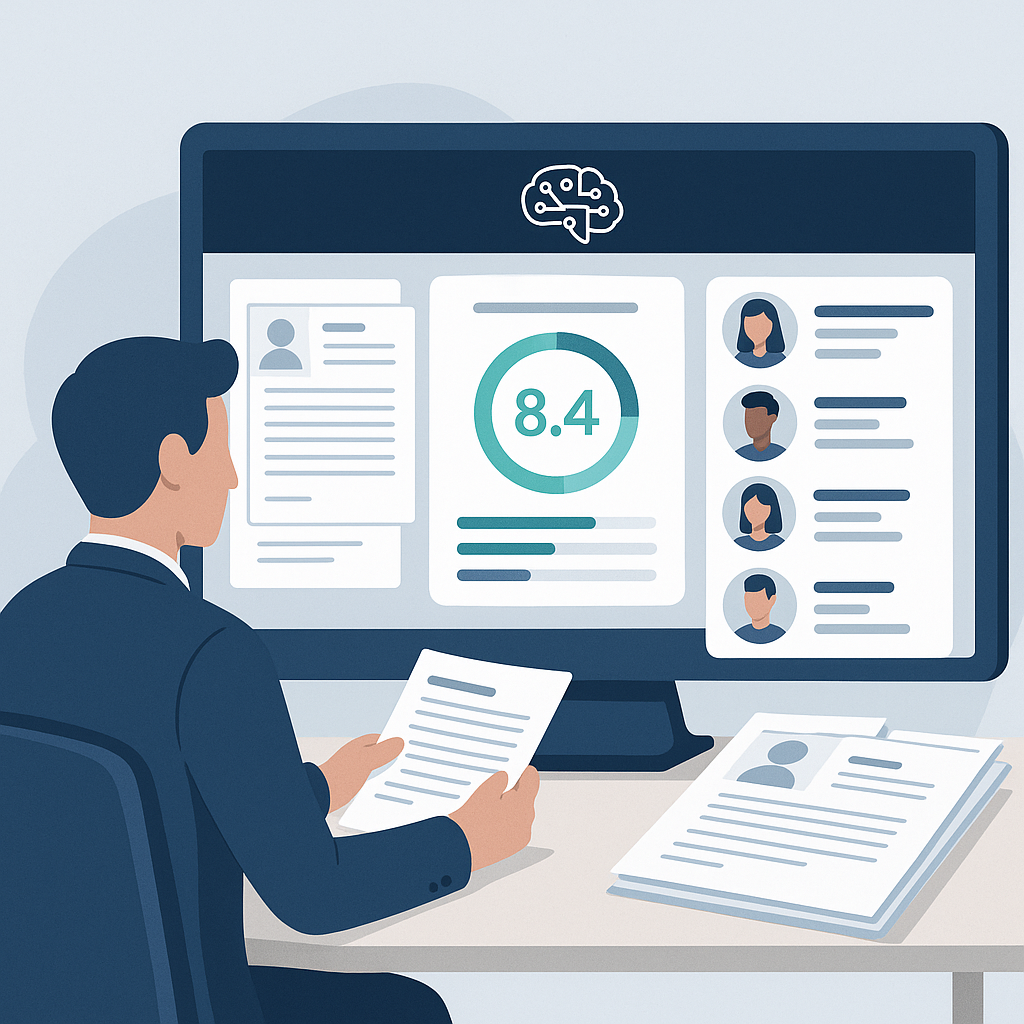
This is where tools like TalentNext come in. Upload all 250 resumes in bulk, and the system analyzes each one against your job description. It doesn’t just look for keywords—it scores resumes based on how well candidates’ skills, experience, and qualifications align with the role. In under a minute, you get a ranked list of candidates. No guesswork. No wasted hours.
What Makes AI Better Than Manual Screening?
Let’s address the elephant in the room: Can an AI tool really do a better job than you? Short answer: It’s not about “better”; it’s about consistency and speed.
Here’s why it works:
- No fatigue: Humans get tired. By your 50th resume, you’re not as sharp as you were with the first. AI doesn’t have this problem.
- Objective scoring: AI doesn’t care about formatting or fluff. It sticks to the facts—skills, experience, education—and evaluates everyone consistently.
- Bulk processing: Screening 500 resumes manually could take weeks. AI does it in minutes. TalentNext, for instance, cuts screening time by up to 75%.
But let’s be real—AI isn’t perfect. It can’t spot personality traits or cultural fit (yet). That’s where recruiters still come in. Think of AI as your first line of defense, not the entire army.
Real-World Results: A Case Study
One of our clients, a mid-sized tech company, used TalentNext to fill a senior developer role. They had 180 applications to sift through. Before AI, their hiring team would’ve spent at least two weeks screening resumes. With TalentNext, the AI tool flagged 20 candidates as strong matches within 30 minutes. Out of those, five were invited to interviews, and one was hired within three weeks.
The hiring manager put it best: “We didn’t just save time—we made a better hire because we weren’t stuck in the weeds.”
You Might Be Thinking…
“But what about false positives or false negatives?” Good question. No AI tool is perfect. Sometimes, it might miss a great candidate or rank someone higher than they deserve. That’s why these tools aren’t a replacement—they’re a filter. You’ll still review the top matches, but you’re starting from a much better place.
“And what about candidate experience?” Another valid concern. Nobody wants to feel like they’re being judged by a robot. That’s why tools like TalentNext don’t just score resumes—they also provide feedback to candidates. Job seekers get actionable insights on how to improve their resumes, making the process more transparent and less frustrating.
Is It Worth It?
If you’re screening fewer than 10 resumes per role, maybe not. But if you’re dealing with hundreds—or hiring for multiple roles at once—AI-powered recruitment is a no-brainer. It saves time, reduces bias, and lets you focus on what you do best: building relationships and making great hires.
Want to see how it works? Check out TalentNext and try it for yourself.
Final Thought
AI recruitment tools aren’t magic. But they’re damn close when it comes to cutting down the grind of resume screening. If you’re still doing it all manually, ask yourself: What could you do with that extra time?
Your next great hire shouldn’t be buried under 200 resumes. Let AI help you dig them out.
Ready to see TalentNext in action?
AI-powered resume screening and recruitment platform that instantly analyzes and scores resumes to streamline hiring.
Get Started Free →