Why Recruitment Needs to Get Smarter—Fast
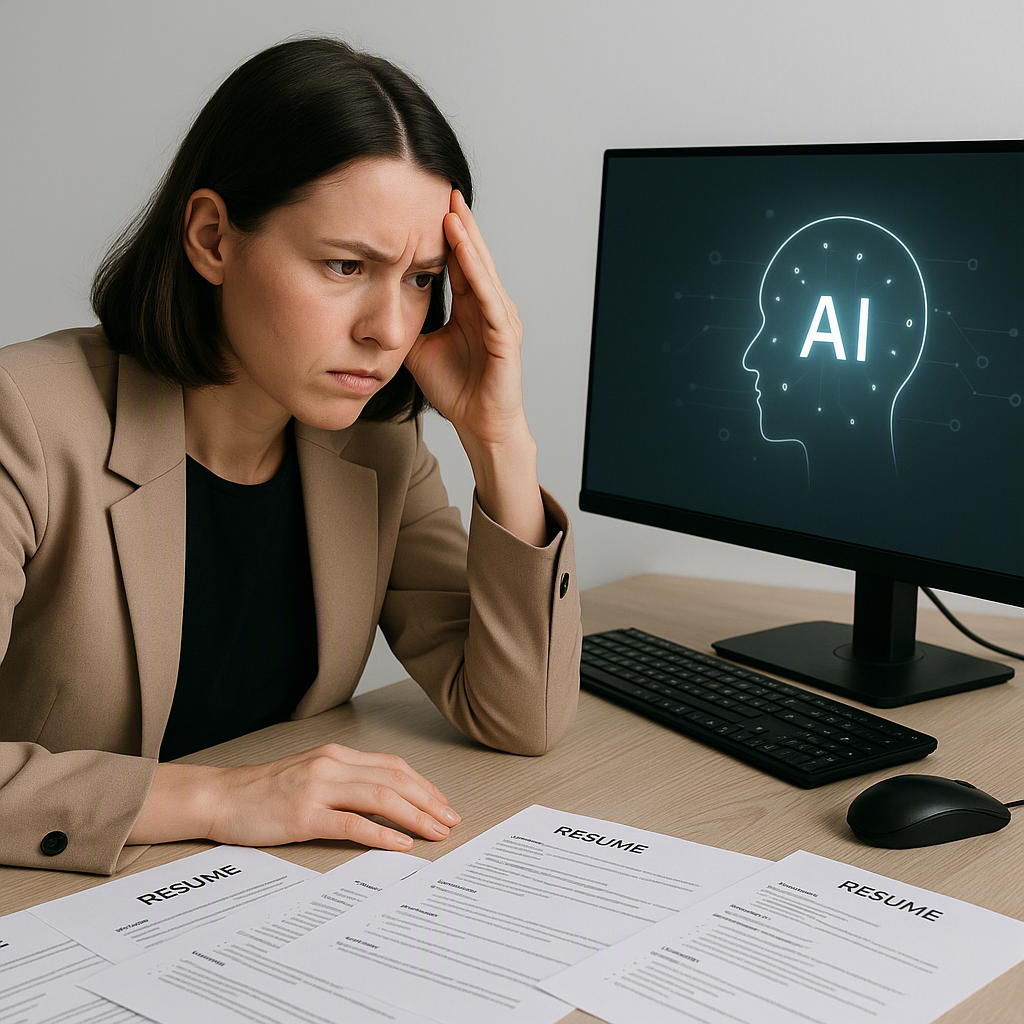
Hiring today isn’t what it used to be. The average corporate job posting receives hundreds of applications, according to Glassdoor. That’s a significant number of resumes for recruiters to sift through manually. Worse, HR teams often spend countless hours screening resumes for just one hire.
Here’s the challenge: even after all that effort, there’s no guarantee you’ll find the right candidate. Human error, fatigue, and unconscious bias can creep in, and before you know it, your best candidates are slipping through the cracks.
This is where AI recruitment tools come in. But here’s the thing: buying the tool isn’t enough. You need the skills to use it effectively. That’s what AI recruitment training is all about.
The Core Skill You Need: Understanding AI-Powered Resume Screening
One of the most practical skills in AI recruitment is mastering resume screening tools. Why? Because this is where recruiters lose the most time.
Traditional screening involves manually reading resumes, filtering for keywords, and cross-referencing skills with the job description. It’s not just tedious—it’s inefficient. What if your best candidate is buried deep in the pile? By the time you get there, they’ve probably taken another offer.
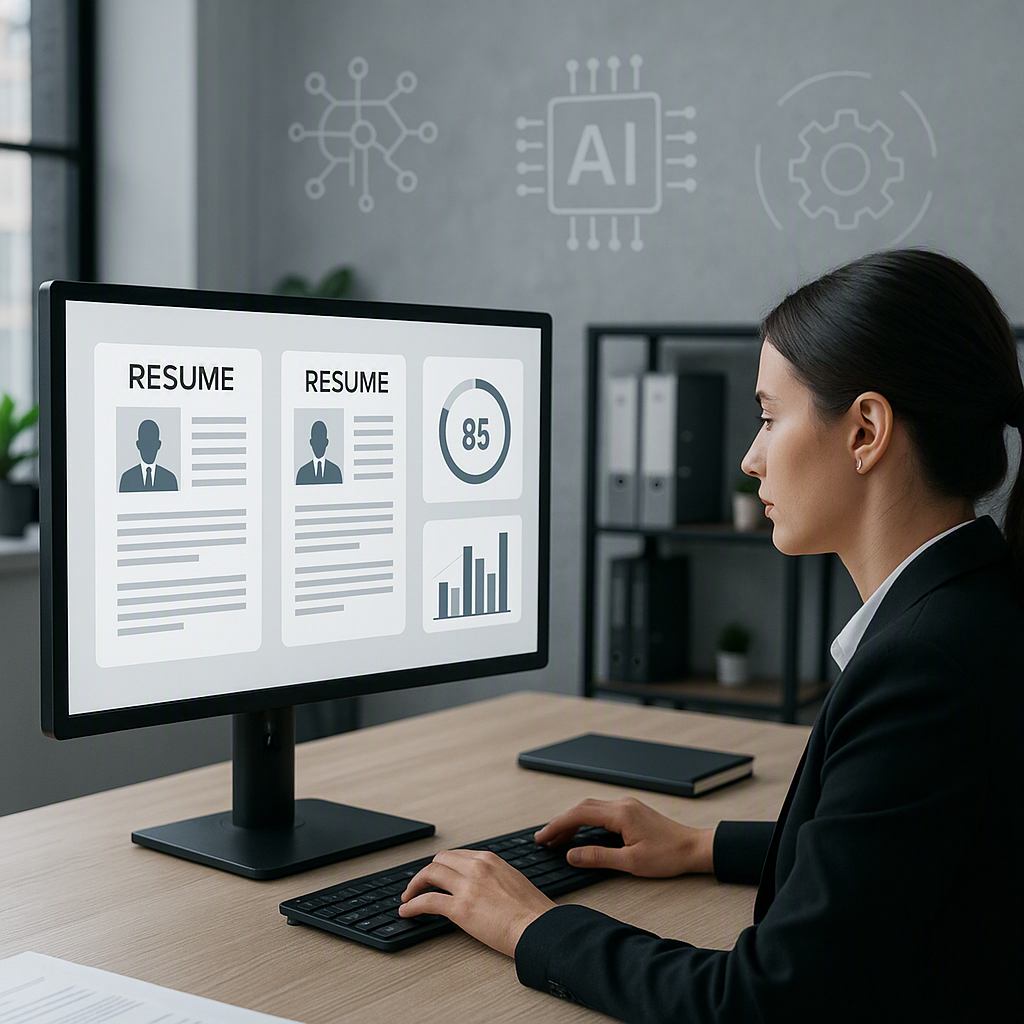
AI-powered screening tools flip this process on its head. Instead of you doing the heavy lifting, the AI analyzes and scores resumes against the job description for you. It’s not magic; it’s just algorithms doing what they do best: finding patterns and making data-driven decisions.
Illustrative example — Let’s say you’re hiring for a Sales Manager role. The job requires five years of experience, proficiency in Salesforce, and a track record of meeting sales quotas. Instead of spending hours manually scanning resumes, AI tools can instantly rank candidates based on how well their resumes match these criteria. You get a shortlist of the top contenders—ready for the next step.
The Training Gap: Why It Matters
If AI tools are so powerful, why isn’t everyone using them effectively? The truth is, many recruiters aren’t trained to use AI properly.
For example, teams sometimes misuse keyword matching features. They create job descriptions that are either too vague or too specific. The result? The AI either casts too wide a net or misses strong candidates due to overly restrictive criteria.
AI recruitment training addresses this by teaching you:
- How to write effective job descriptions: This isn’t just about listing requirements. It’s about identifying the core skills you need and translating them into measurable criteria the AI can understand.
- How to interpret candidate scorecards: Tools often generate detailed scorecards that show you how well each candidate matches the job. But understanding these scores—and knowing when to override them—requires training.
- How to integrate AI into your workflow: AI is a tool, not a replacement. Training helps you balance AI efficiency with human intuition, especially when it comes to cultural fit or niche roles.
Practical Steps to Get Started With AI Recruitment Training
So, how do you actually get these skills? Here’s a step-by-step guide:
-
Audit Your Current Process
Start by understanding where your team is spending the most time. Is it resume screening? Interview scheduling? Candidate communication? Identify the bottlenecks before you try to fix them. -
Choose the Right AI Tool
Not all AI tools are created equal. Look for features like bulk resume uploads, customizable job descriptions, and actionable candidate insights. -
Invest in Training
Many AI vendors offer onboarding and training resources. Take advantage of these. Learn to write AI-friendly job descriptions, interpret candidate scores, and understand how the algorithms work. -
Test, Measure, Adjust
Implement the AI tool for a single job posting. Measure how much time you save and how the candidates compare to your previous methods. Use this data to refine your approach. -
Keep the Human Touch
AI can do a lot, but it can’t replace human judgment. Make sure your team knows when to step in, especially for interviews and final hiring decisions. This balance is key to successful AI integration.
Common Mistakes to Avoid
-
Relying Solely on AI
AI is a tool, not a magic wand. It’s great for screening, but it’s not a substitute for human intuition. -
Overloading the Job Description
Trying to pack every possible skill into your JD will confuse both candidates and the AI. Focus on must-have skills. -
Ignoring Training
Buying the tool without training your team is like buying a high-performance car and never learning to drive. It’s a waste of resources. -
Skipping Regular Reviews
AI isn’t perfect. Review its recommendations periodically to ensure it aligns with your goals.
FAQ
1. Will AI recruitment tools replace human recruiters?
No. AI excels at repetitive tasks like resume screening, but it can’t assess soft skills or cultural fit. Recruiters are still essential.
2. Can AI tools eliminate bias?
AI can reduce bias, but it depends on the data it’s trained on. That’s why training and regular reviews are critical.
3. What’s the ROI of using AI recruitment tools?
AI can significantly reduce the time spent on repetitive tasks, allowing teams to focus on engaging top talent.
Ready to Get Started?
If you’re tired of wasting hours on manual resume screening, it’s time to make the switch. Explore AI-powered platforms and training resources to help you hire faster and smarter.