Why AI Isn’t Taking Over Recruitment Anytime Soon
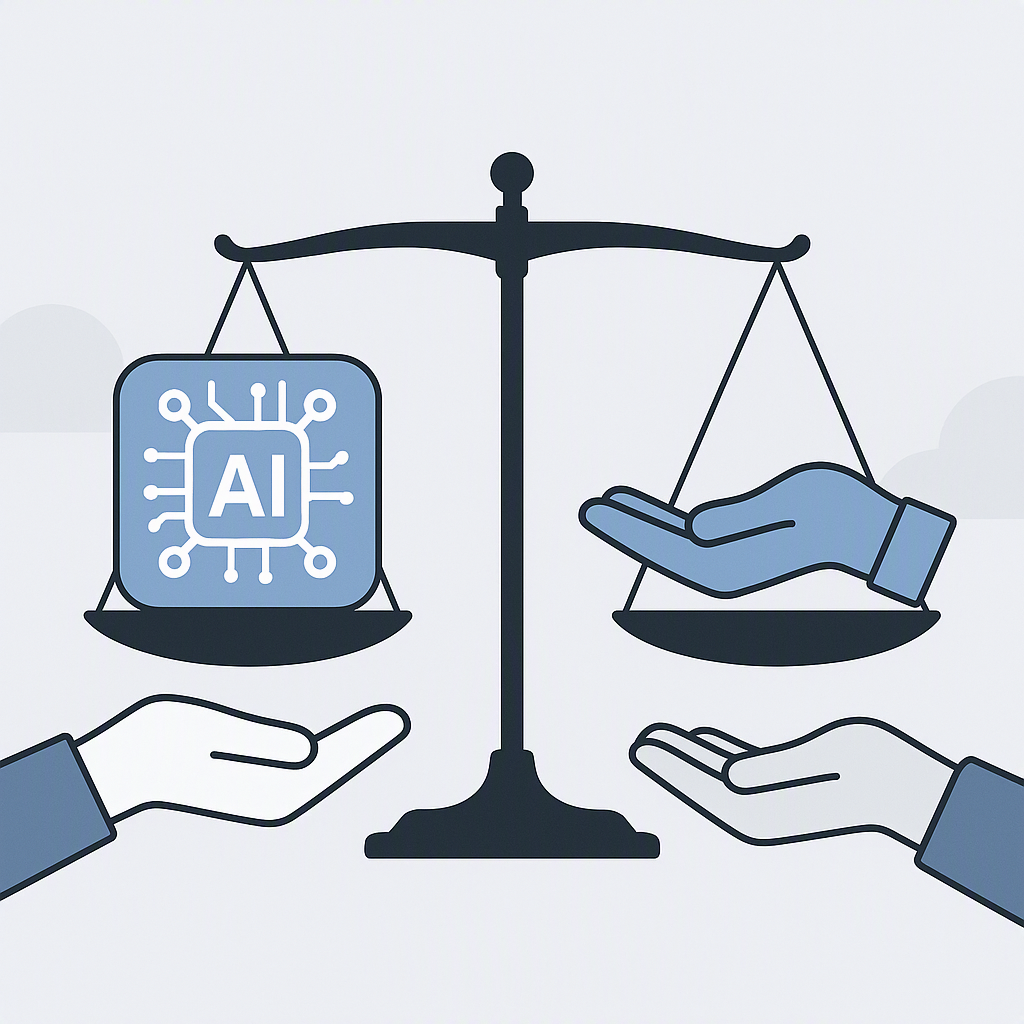
Let’s be honest. A few years ago, I thought AI was going to replace recruiters. It just made sense: AI can scan thousands of resumes in seconds, match keywords with job descriptions, and even rank candidates based on skills. Why wouldn’t companies ditch human recruiters for faster, cheaper machines?
I wasn’t alone in this thinking. According to a 2026 Corporate Recruiters Survey, 39% of businesses expected AI to take over at least half of their hiring processes by now. And while AI has definitely reshaped recruitment, it hasn’t replaced humans. Not even close.
What Changed My Mind?
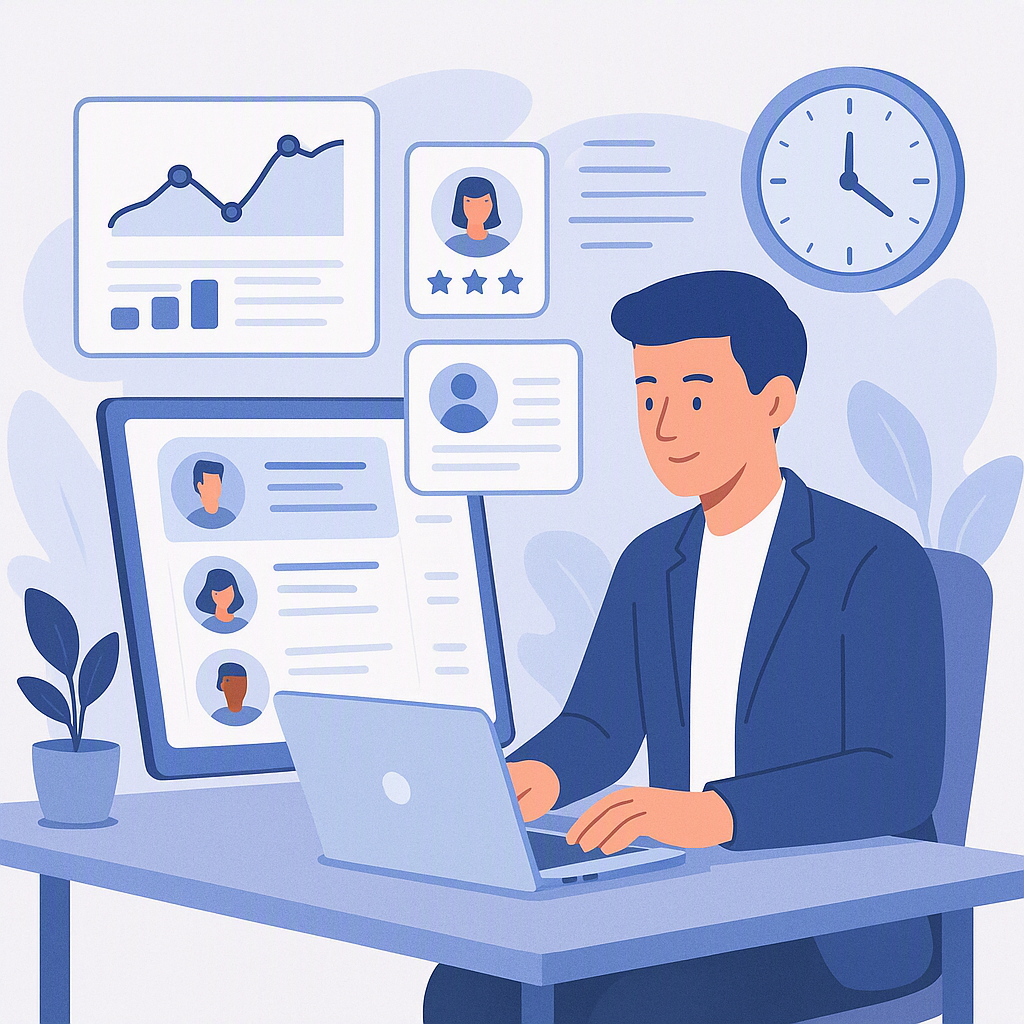
It wasn’t a single moment but a series of realizations. One of them happened when I was consulting with a mid-sized tech company last year. They were using TalentNext’s AI-powered resume screening tool to filter through 800 applications for a software engineering role. The tool worked like magic—cutting screening time by 70% compared to their previous manual process.
But here’s the kicker: the top-ranked candidate, based on the AI-generated score, seemed perfect on paper. The system flagged their resume as an ideal match for the job description. Yet when the hiring manager interviewed them, it was clear they weren’t a good cultural fit. They lacked the collaborative spirit the team needed.
That was my wake-up call. AI is brilliant for cutting through the noise and surfacing candidates who look good on paper. But it’s blind to the nuances that make someone truly right for the job—soft skills, emotional intelligence, and cultural fit.
Why Did I Believe AI Could Replace Recruiters?
I underestimated how much of hiring is about human connection. When you’re drowning in hundreds of resumes, it’s easy to think that all you need is a machine to sort them out. After all, AI is great at identifying hard skills and matching keywords to job descriptions. That’s why platforms like TalentNext, with their AI-driven scoring and bulk processing capabilities, are increasingly popular.
But recruitment isn’t just about hard skills. It’s about understanding people—what drives them, how they handle pressure, and whether they’ll thrive in a specific work environment. AI can’t do that. At least not yet.
And let’s be real: as recruiters, we can be our own worst critics. We know we sometimes skim resumes too quickly or let biases creep into our decisions. AI feels like a tempting escape from those flaws. It promises consistency, speed, and objectivity. But in the process, it risks missing out on the unique human qualities that make someone a great hire.
What Skills Can AI Not Replace?
Emotional Intelligence
AI can analyze data, but it can’t build relationships. It doesn’t understand tone, body language, or whether someone feels genuinely excited about a role. Emotional intelligence is critical for assessing enthusiasm, empathy, and interpersonal skills—traits that aren’t quantifiable but make a huge difference in team dynamics.
Problem-Solving and Critical Thinking
Sure, AI can solve technical problems, but it can’t navigate ambiguity or make judgment calls in complex situations. Take cultural fit, for instance. A candidate might look great on paper, but their approach to collaboration—or lack of it—might disrupt the team. That’s something only a human recruiter can pick up on during interviews.
Creativity
AI operates on data. It can’t innovate or think outside the box. For example, a recruiter might spot potential in candidates who don’t perfectly match the job description but bring a unique perspective or an unconventional background. AI doesn’t have that kind of foresight.
Communication Skills
This one’s huge. While generative AI tools like ChatGPT can mimic human conversation, they struggle with nuance. They can’t navigate sensitive topics, reassure a nervous candidate, or read between the lines when someone isn’t being entirely straightforward. HR Dive highlights how communication remains one of the most sought-after skills for employers in 2026. That’s not changing anytime soon.
Adaptability
AI works within the rules set by its programming and training data. It can’t improvise when those rules fall apart. Human recruiters can pivot when a hiring manager changes requirements mid-process or when a job market shifts in unexpected ways. And let’s face it, hiring rarely goes as planned.
What Do I Do Differently Now?
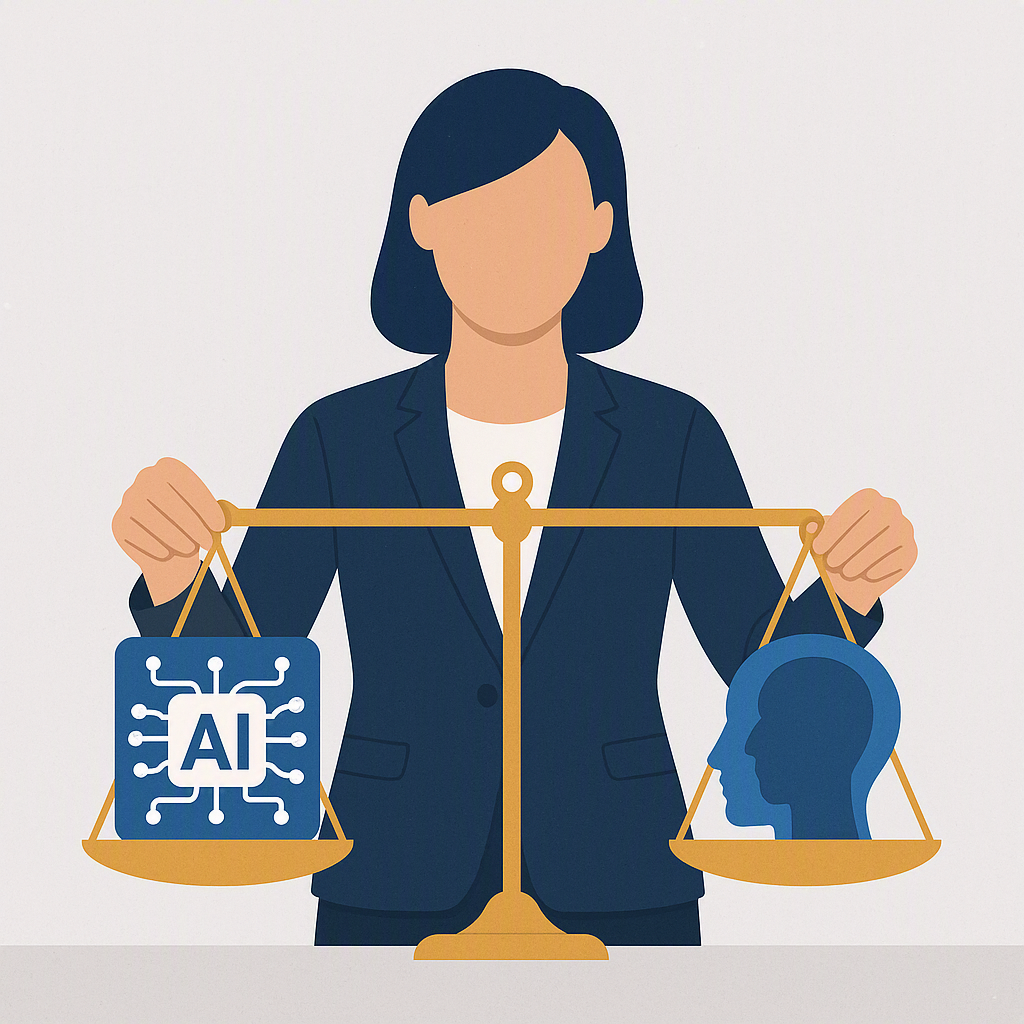
I’ve stopped seeing AI as a replacement and started using it as a partner. Tools like TalentNext handle the grunt work—scanning, scoring, organizing—so I can focus on what AI can’t do. Here’s how:
-
Use AI for Initial Screening: When I’m dealing with hundreds of resumes, AI helps me narrow down the pool. TalentNext’s bulk processing feature is a lifesaver here. I’m not wasting time on unqualified candidates.
-
Focus Interviews on Soft Skills: Once AI flags the top resumes, I dig deeper during interviews. I ask questions that reveal emotional intelligence, creativity, and adaptability—things AI can’t measure.
-
Balance Efficiency with Personal Touch: Automation speeds up repetitive tasks like scheduling interviews or sending follow-ups. But I make sure candidates interact with a real person at critical points. Building trust matters.
-
Monitor AI Bias: AI isn’t perfect. If you’re not careful, it can reinforce discrimination. Amazon scrapped its AI hiring tool in 2018 because it was biased against women, as reported by Reuters. Regular audits are non-negotiable.
What’s Still Uncertain?
I’m still figuring out how much weight to give AI recommendations. Sometimes, the system ranks a candidate highly, but my gut says otherwise. Who’s right? It’s a tough call. And as AI evolves, will it eventually learn to assess soft skills? I don’t know.
Another concern is over-reliance. It’s tempting to lean too heavily on AI, especially when you’re swamped. But hiring mistakes are expensive, and AI doesn’t guarantee better hires. As HR Dive notes, grit and judgment are irreplaceable.
Final Thoughts
AI is changing the game, but it’s not the whole game. If you’re dealing with endless resumes or struggling to find the right candidates, AI-powered tools like TalentNext can help. But remember: it’s a tool, not a replacement. Get started with TalentNext →