I Was Wrong About AI in HR: Why It’s Time to Embrace the Change
I used to think AI had no place in HR. Sure, it worked wonders in finance or logistics, but HR? Too human, too nuanced. I believed the work we do—assessing candidates, understanding team dynamics, and building company culture—required a level of empathy and contextual understanding no algorithm could replicate. Add to that the horror stories: like when Amazon scrapped its AI hiring tool in 2018 because it was biased against women. AI seemed more like a liability than an asset to HR.
But everything changed when I saw the numbers. A report from HR Dive revealed that CHROs are the most skeptical leaders in the C-suite about AI readiness, and it made me pause. If HR leaders—the people closest to talent—were worried, maybe there was good reason. But then I learned that companies using AI for recruitment were reducing screening times by 75% (according to TalentNext). That’s not a small dent; that’s a complete overhaul of how time is spent.
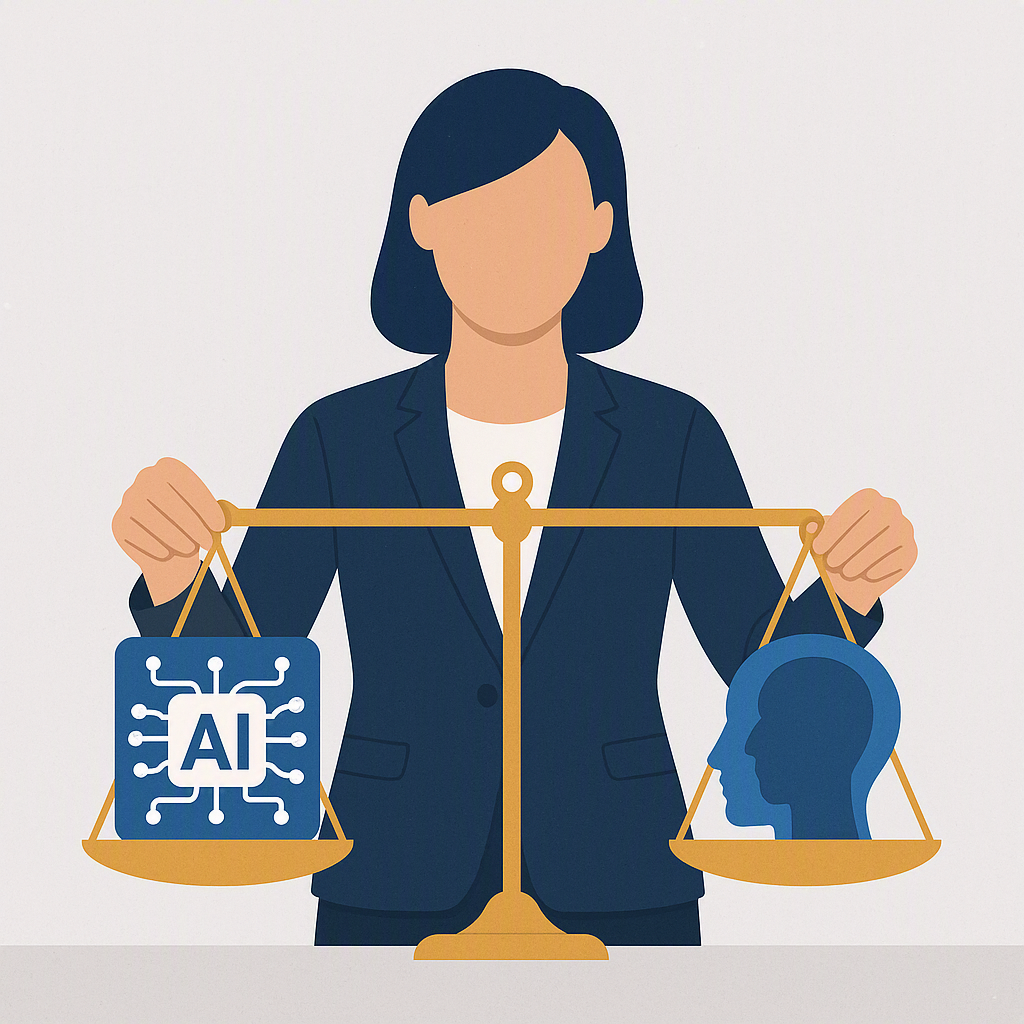
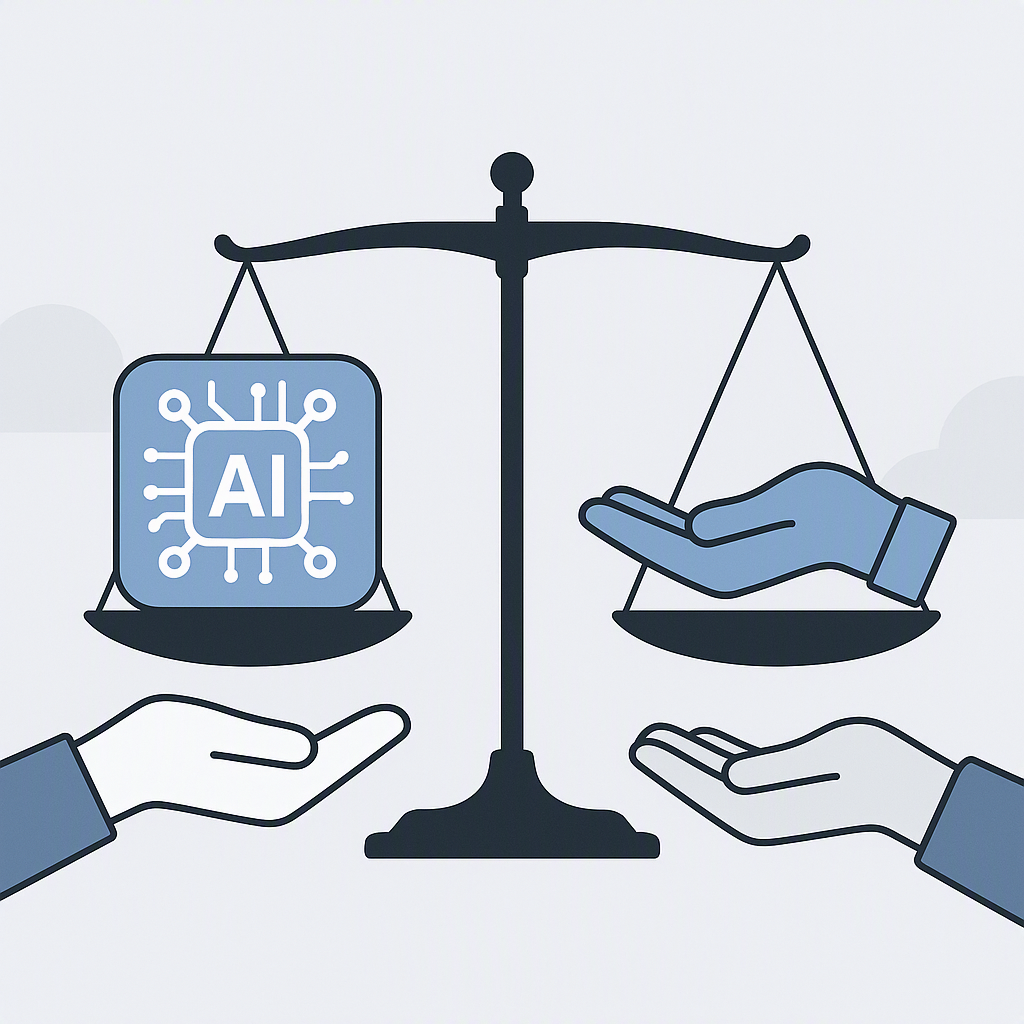
So, I started digging. I realized my skepticism wasn’t just about AI’s limitations; it was about how poorly the tools were being used. Many HR teams were rushing to adopt AI without understanding it. They weren’t asking the right questions: How is this AI trained? What biases might it inherit? How can we use it alongside human judgment rather than as a replacement?
In my view, the fear of AI isn’t rooted in the technology itself—it’s rooted in our lack of preparation. And if HR leaders don’t step up, the gap between expectations and reality will only grow wider.
Why CHROs Are Right to Be Skeptical
To be fair, skepticism isn’t unwarranted. AI in HR is no magic wand. It can’t judge soft skills, assess cultural fit, or replace the intuition that seasoned recruiters bring to the table. And it’s true that AI can go wrong. Bias in algorithms is a real issue. If the data it learns from is biased, the AI will be, too. For example, AI systems trained on historical hiring data may perpetuate discriminatory practices that existed in the past.
Plus, many AI systems struggle with nuanced roles. How do you train an algorithm to evaluate candidates for hybrid positions requiring both technical expertise and creative problem-solving? That level of judgment is still beyond even the most sophisticated AI.
Actionable Steps for CHROs:
- Understand the Limitations of AI: Recognize what AI can and cannot do. AI excels at processing large datasets and identifying patterns, but it struggles with context and abstract thinking.
- Evaluate Vendor Transparency: Not all AI tools disclose their algorithms and training datasets. Ask vendors tough questions about how their systems mitigate bias and ensure fairness.
- Supplement AI with Human Insight: Use AI tools for initial data analysis and screening, but always rely on human judgment for final decisions, especially for roles requiring emotional intelligence or creativity.
What Changed My Mind
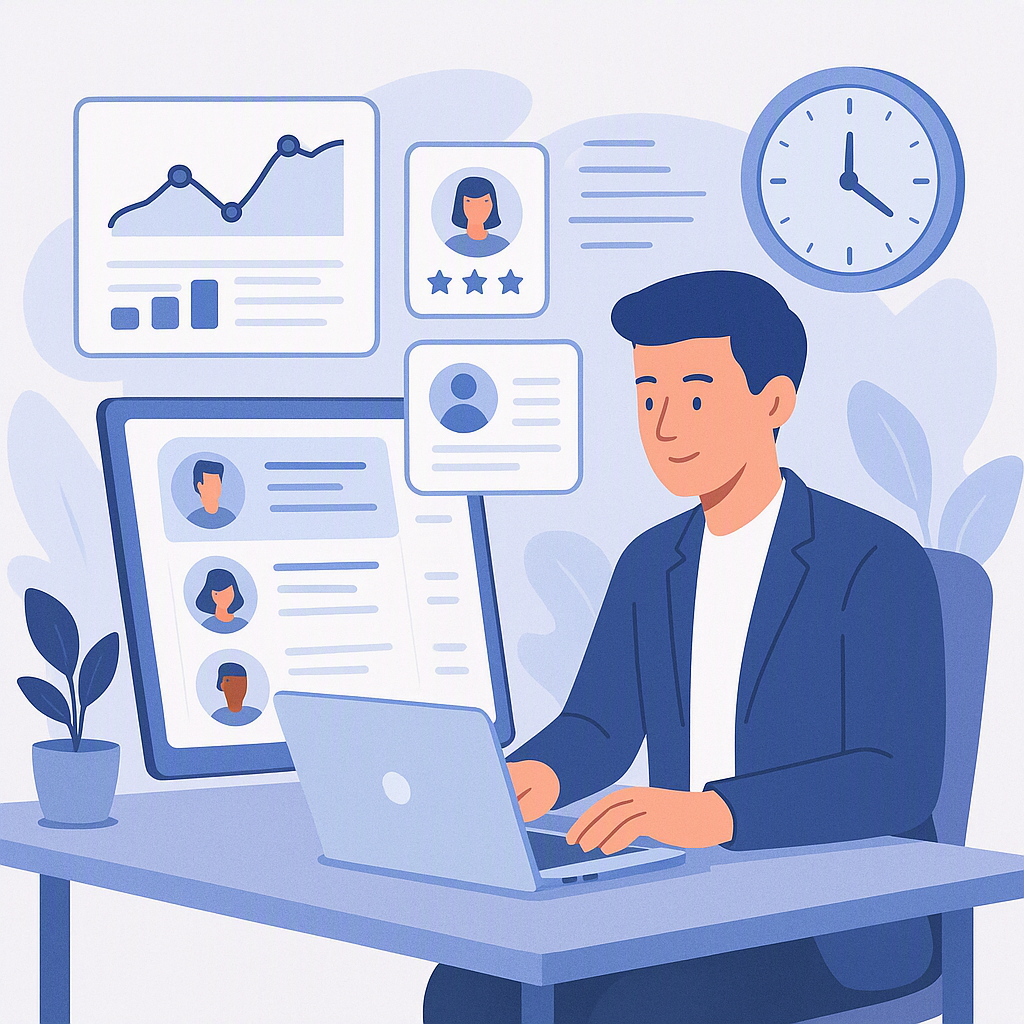
The turning point for me was seeing how AI could handle the grunt work—quickly and accurately. I sat down with a recruitment team that had recently implemented TalentNext, an AI-powered resume screening tool. They showed me how they used the platform to upload hundreds of resumes at once. Instead of spending days sifting through unqualified candidates, they had a ranked list of top contenders within minutes.
This efficiency is not just a convenience—it’s transformational. It frees up time for HR professionals to focus on tasks that truly require human judgment and creativity, like conducting interviews, engaging with candidates, and building long-term employee retention strategies.
Actionable Steps for Using AI in Recruitment:
- Define Your Objectives: What part of recruitment is your team struggling with? Is it resume screening, candidate sourcing, or interview scheduling? Start with clear goals.
- Pilot First: Don’t overhaul your entire recruitment process immediately. Start with a small pilot project to test the effectiveness of the AI tool.
- Use AI for Volume Tasks: Deploy AI for repetitive tasks like resume parsing, scheduling interviews, or analyzing employee engagement surveys.
Preparing for AI in HR
So, what does AI readiness actually mean for HR teams? It’s not just about buying the right software. It’s about creating a culture that understands, trusts, and leverages the technology effectively. Without preparation, AI adoption can create confusion, resistance, and even exacerbate existing biases.
1. Start with Education
A lot of fear around AI comes from not understanding how it works. Train your team on the basics of AI. They don’t need to become data scientists, but they should know enough to ask the right questions about fairness, transparency, and accuracy. Resources like Gartner's guide on AI talent risks are a great starting point.
2. Audit Your AI Tools
Not all AI is created equal. Before adopting any AI solution, ask for specifics about the algorithms, training data, and how biases are mitigated. Regular audits are essential to ensure the tools are functioning as intended and not unintentionally harming your recruitment or retention strategies.
3. Focus on Collaboration, Not Replacement
AI should handle repetitive, time-consuming tasks, like initial resume screening. That’s where tools like TalentNext shine. Instead of spending hours (or days) manually sorting through applications, HR teams can focus on interviewing and assessing the best candidates. For roles requiring a nuanced understanding, use AI insights as a starting point—not the final word.
4. Build Trust with Transparency
One of the biggest barriers to AI adoption is a lack of trust—both from HR professionals and employees. Employees often fear being replaced when AI is introduced without context. CHROs need to communicate clearly about how AI will be used and what it means for the workforce. Transparency builds trust, and trust is the foundation of successful adoption.
5. Measure and Iterate
AI tools aren’t set-it-and-forget-it solutions. Like any system, they need regular evaluation and adjustment. What’s working? What’s not? Involve your team in this process. Their feedback is invaluable for refining the system and ensuring its alignment with organizational goals.
FAQ: Common Questions About AI in HR
1. Will AI replace HR professionals?
No. AI is designed to complement human efforts, not replace them. It handles repetitive tasks, freeing up time for HR professionals to focus on strategic and interpersonal aspects of their roles.
2. How can we ensure AI doesn’t introduce bias in hiring?
Start by understanding how the AI was trained. Ask vendors about their data sources and how they mitigate bias. Regularly audit the tool’s decisions and involve diverse stakeholders in this process.
3. What data does AI need to function effectively in HR?
AI typically requires historical hiring data, job descriptions, and candidate profiles. However, ensure the data is clean, relevant, and representative to avoid introducing bias into the system.
4. Is AI effective for assessing cultural fit?
Not entirely. AI can analyze patterns in communication or behavior, but it struggles to assess emotional intelligence or interpersonal dynamics. Human judgment is still critical for evaluating cultural fit.
5. How do we prepare employees for AI adoption in HR?
Communicate openly about the benefits of AI and how it will impact their roles. Provide training on how the technology works and emphasize its role as a tool to enhance—not replace—human contributions.
Decision Framework: Should You Adopt AI in HR?
| Criteria | Questions to Ask | Actionable Steps |
|---|---|---|
| Business Needs | What HR challenges are we currently facing? | Identify areas where AI can add value, such as recruitment, onboarding, or analytics. |
| Tool Transparency | Does the vendor explain how their AI makes decisions? | Request detailed documentation about algorithm training and bias mitigation. |
| Internal Readiness | Are our HR teams educated on AI fundamentals? | Provide training on AI basics, fairness, and ethical considerations. |
| Pilot Testing | Can we test the tool before full rollout? | Run a small-scale pilot to evaluate its effectiveness and gather feedback. |
| Ongoing Monitoring | How will we measure success and track issues? | Establish KPIs for the tool and conduct regular audits to ensure compliance. |
What I’d Do Differently
If I could go back, I’d start by asking more questions. Instead of dismissing AI outright, I’d dig into how it works and what problems it’s actually solving. I’d also spend more time thinking about how to prepare my team—not just for the technology, but for the mindset shift it requires.
What Still Worries Me
I’m still not convinced we’ve solved the bias issue. Yes, companies are working on it, but bias in AI is a reflection of bias in society. It’s not going away overnight. That’s why it’s so important to keep humans in the loop. AI can help us work smarter, but it can’t replace the human touch.
In the end, being wrong about AI taught me a valuable lesson: skepticism is healthy, but it shouldn’t stop us from adapting. The future of work is coming, whether we’re ready or not. The question is, will we be the ones shaping it—or will we let it shape us?
If you're dealing with AI readiness challenges, TalentNext can help. Get started here →