How Automated Resume Screening Improves Hiring Efficiency
Time. It’s the one thing every recruiter wishes they had more of. When you’re staring at hundreds of resumes for a single role, manual screening feels like pushing a boulder uphill. Not only is it slow, but it’s inconsistent. Even the most experienced recruiters can miss great candidates or spend hours on unqualified ones. That’s where AI-powered recruitment tools come in.
Let’s talk about one feature that changes everything: bulk resume upload and automated scoring.
The Problem: Drowning in Resumes
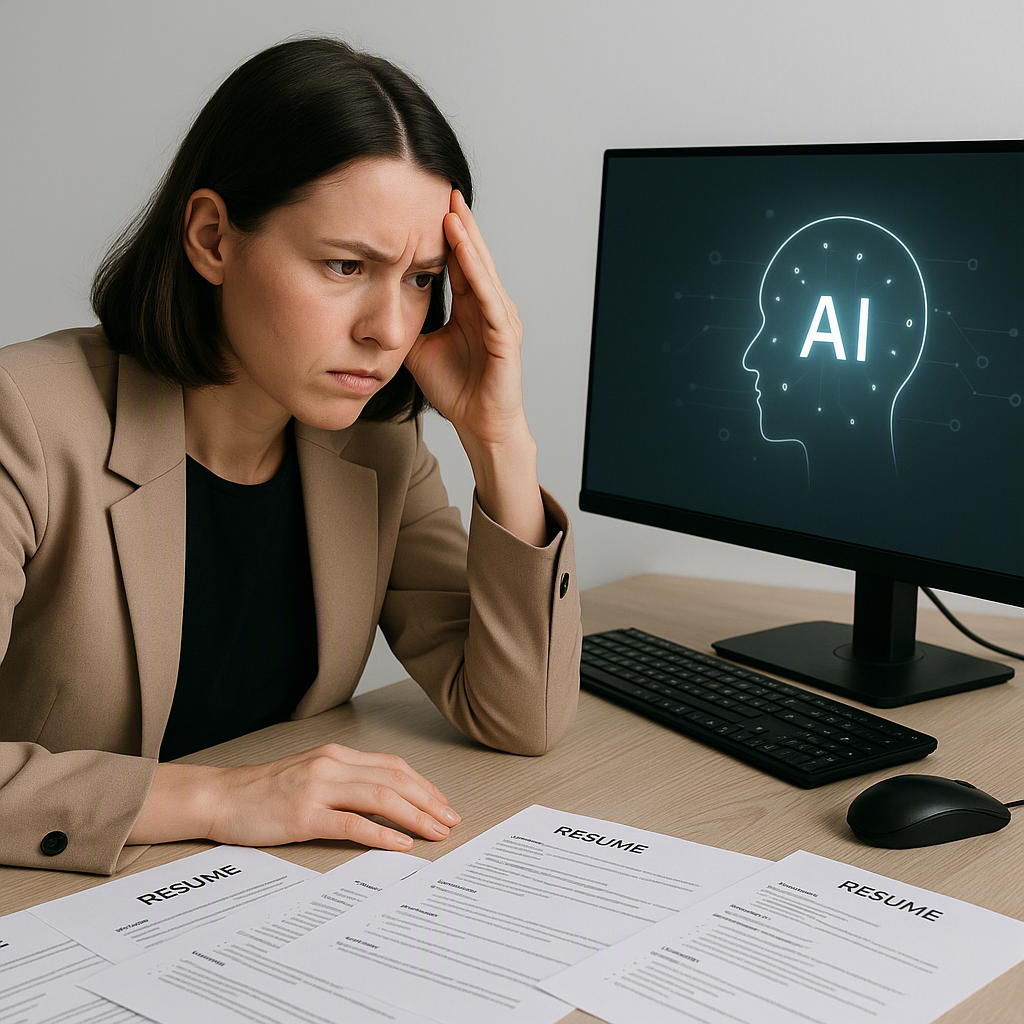
Picture this: You post a job for a mid-level software engineer. Within days, hundreds of resumes flood your inbox. Some are barely relevant, a few stand out, and the rest sit in a grey area. How do you decide where to start?
Manually combing through resumes is a grind. You’re hunting for keywords, checking experience, and trying to match skills to the job description—all while staying objective. It’s tedious, and let’s be honest, errors creep in. Studies have shown that recruiters spend a significant amount of time on resume screening alone. That’s time you could spend actually engaging with top candidates.
The Solution: Bulk Resume Upload + AI Scoring
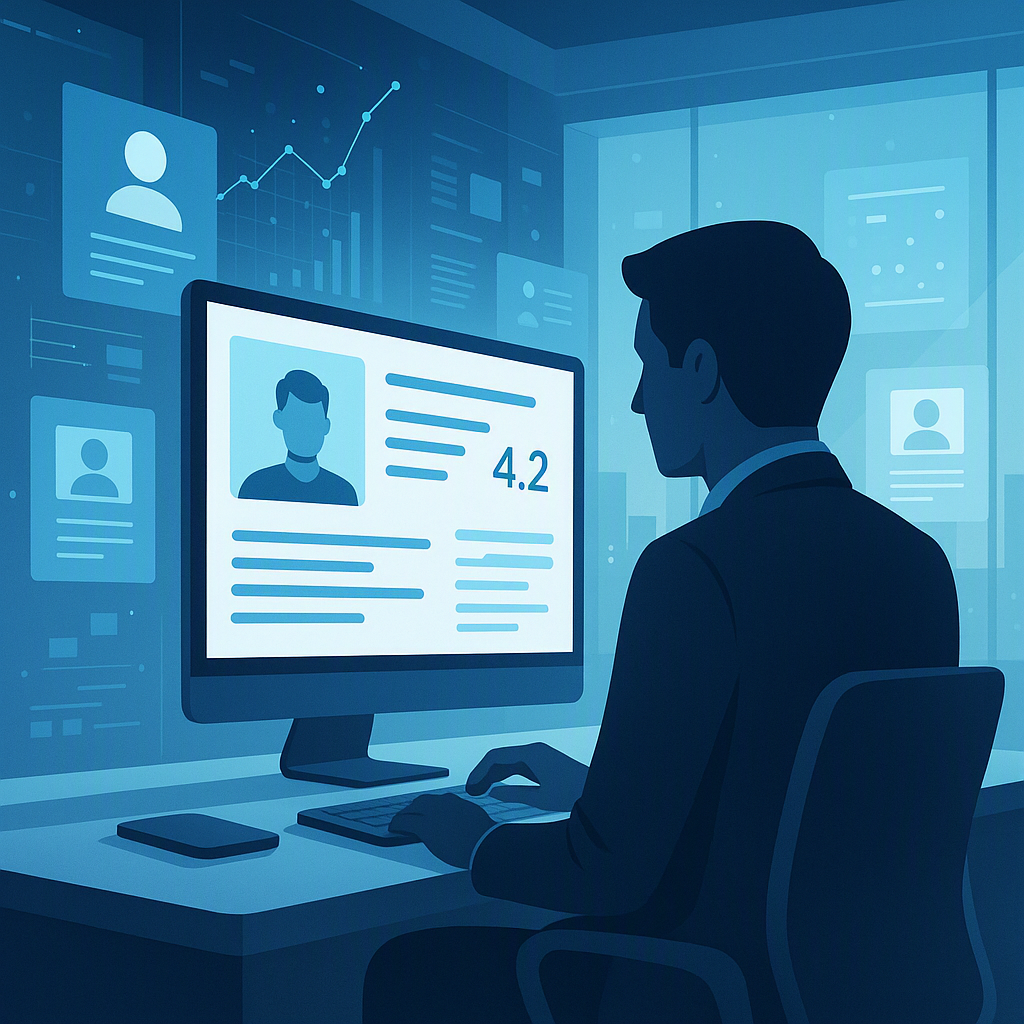
This is where AI-powered platforms shine. Instead of sifting through resumes one by one, you upload them all at once—whether it’s 50 or 500. The AI analyzes each resume against the job description, scoring candidates on objective criteria like skills, experience, and relevance. Within a short time, you have a ranked list of candidates tailored to the role.
Here’s why it works:
-
Speed: Automated screening significantly reduces the time spent on initial resume reviews. Tasks that could take days manually can be completed in a fraction of the time.
-
Consistency: Every resume is evaluated the same way. No more human error or bias creeping into the process. The AI ensures a fair comparison across the board.
-
Focus on Top Talent: By narrowing the pool to top matches, you can spend your time on what really matters—connecting with people, not parsing through piles of paper.
Does It Really Work?
You might be skeptical. “Can AI really spot the best candidates?” The short answer: It’s not perfect, but it’s a valuable tool. AI systems consider both hard and soft skills, using the job description as a blueprint. For example, if you’re hiring for a project manager role, the system weighs leadership keywords and quantifiable achievements, while filtering out resumes that lack relevant experience.
It’s not a magic wand. You’ll still need to review the top-scoring resumes manually. But by starting with a shortlist of candidates who meet your criteria, you save yourself significant effort—and reduce the risk of overlooking someone great.
What About Job Seekers?
AI-powered tools aren’t just for recruiters. Some platforms also provide actionable feedback to candidates. If their resume scores low, the system highlights areas for improvement: formatting issues, missing keywords, or vague descriptions. It’s like having a career coach, but faster.
A candidate aiming for a product manager role, for instance, might get suggestions to include more leadership metrics or emphasize their experience managing cross-functional teams. These tweaks can make a huge difference in competitive job markets.
Common Concerns
1. Won’t AI introduce bias?
Algorithms are only as unbiased as the data they’re trained on. Well-designed systems use job-specific criteria to focus on skills and experience, reducing the risk of subjective bias. However, it’s still crucial for recruiters to review shortlisted candidates to ensure fit.
2. What if my job description isn’t specific enough?
That’s a valid concern. AI performs better with clear, detailed job descriptions. Vague postings can lead to mismatched scoring. Spend the extra time upfront crafting a solid job ad—it’s worth it.
3. Can AI fully replace recruiters?
No, and it shouldn’t. AI is a tool, not a replacement. It handles the grunt work so recruiters can focus on building relationships and assessing soft skills.
FAQs
Q: How does AI score resumes?
A: The AI evaluates resumes based on criteria like skills, experience, and keyword relevance to the job description.
Q: Can I trust the AI’s scoring?
A: While the system provides rankings, it’s best to manually review the top matches to ensure fit.
Q: How does this help my team save time?
A: By automating the screening process, your team can focus on interviewing and engaging with candidates, significantly reducing the time spent on initial reviews.
Q: Is this useful for high-volume hiring?
A: Absolutely. AI-powered platforms are particularly effective for roles with a large number of applicants, like customer service or engineering roles.
Q: Can job seekers use such platforms?
A: Yes, some platforms offer resume feedback to help candidates improve their applications.
The Bottom Line
AI-powered platforms for resume screening aren’t just a convenience—they’re a competitive advantage. If you’re spending hours sifting through resumes, it’s time to rethink your process. Save time, reduce bias, and focus on what matters most: finding the right person for the job.