Bias: The Hiring Problem No One Wants to Admit
We all want to believe hiring decisions are fair. But let’s be real—they’re not. Bias creeps in at every stage. A Harvard study showed that resumes with "white-sounding" names get callbacks at a higher rate than those with ethnic names. And it's not just names—education, age, gender, even hobbies can trigger unconscious bias.
The result? Great candidates get overlooked. Teams lose out on talent. And diversity suffers.
Can AI Fix This?
AI isn’t perfect, but it’s a step in the right direction. Instead of relying on "gut feelings," AI resume screening tools evaluate candidates based on job-related criteria. They focus on skills, experience, and qualifications, not irrelevant details like someone's name or graduation year.
Take TalentNext, for example. Its AI-powered resume analysis identifies how well a candidate matches the job based on specific skills and keywords in the job description. It doesn’t care if your name is John or Jamal—just whether you can do the job.
A Practical Example: Scoring Resumes Against Job Descriptions
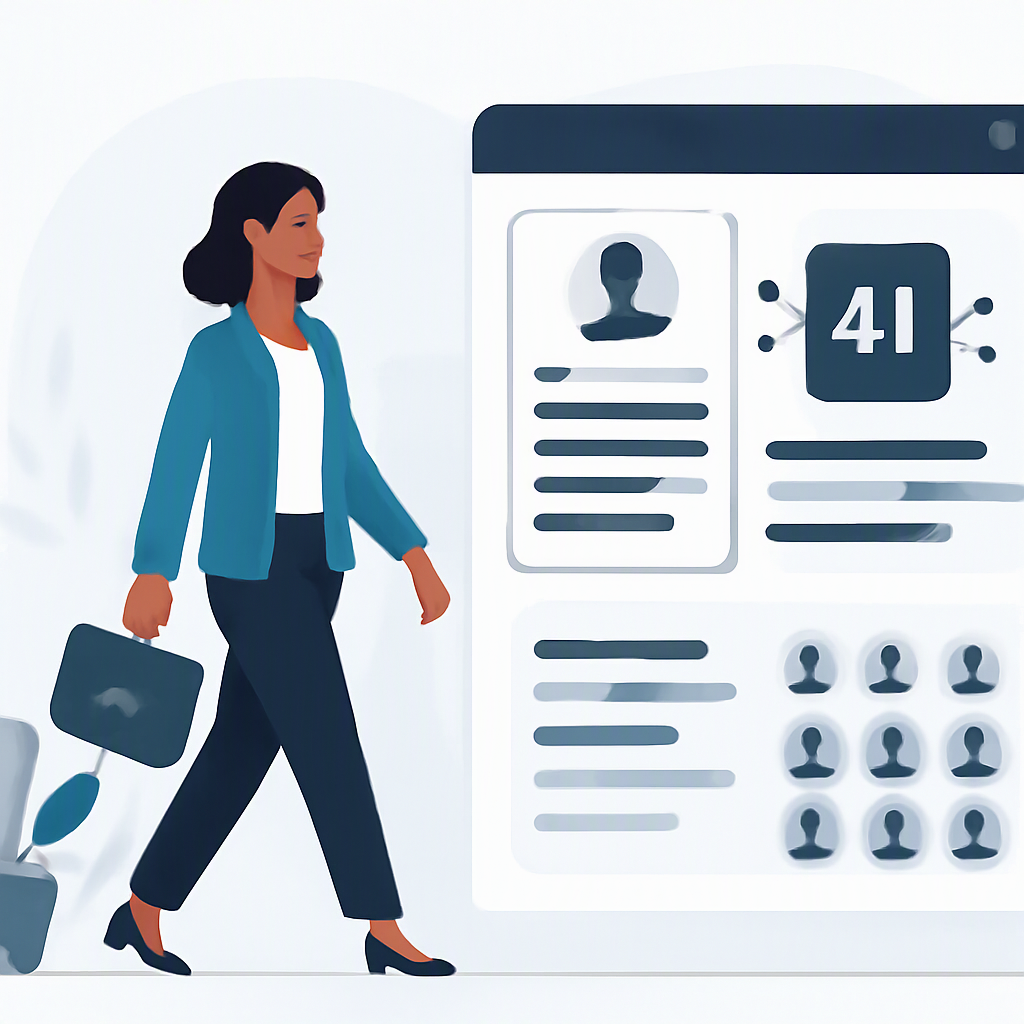
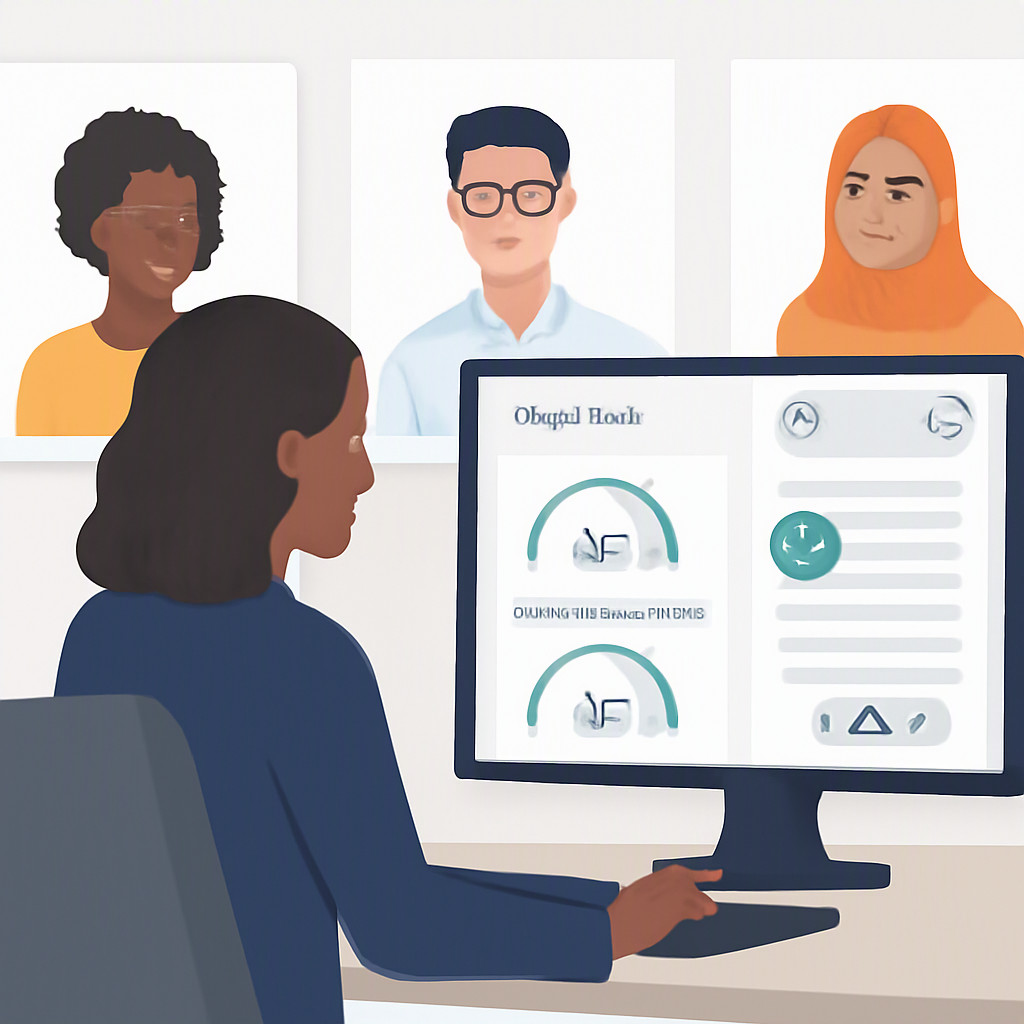
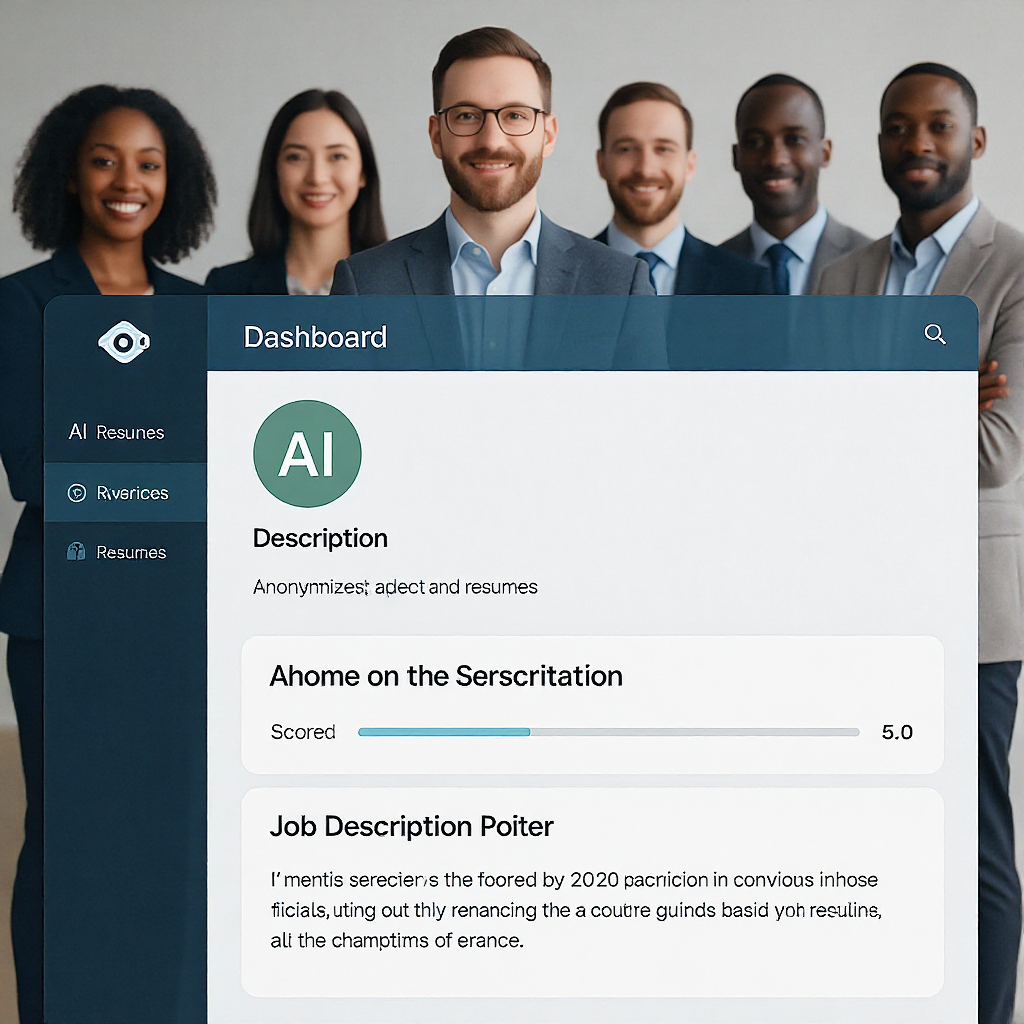
Here’s how it works. You upload a stack of resumes and a job description into the platform. TalentNext’s AI analyzes each resume and assigns a match score. This score is based on qualifications, experience, and skills—not personal details that tend to bias human reviewers.
For instance, if a job requires proficiency in Python and data visualization, the AI looks for those exact matches. It doesn’t care where you learned Python—just that you know it. That’s a game-changer for candidates who might not have gone to elite schools but have real-world expertise.
The Obvious Objection: Can AI Be Biased Too?
You might be thinking: "Isn't AI trained on human data? Won’t it just mirror our biases?" Fair question. AI is only as good as the data it’s trained on. But platforms like TalentNext are designed to combat this by excluding irrelevant factors like names, addresses, and even photos from the analysis.
Of course, no system is perfect. If the job description itself is biased (e.g., using male-coded language like "rockstar" or "ninja"), the AI might still favor certain candidates. That’s why it’s important to pair AI tools with thoughtful human oversight.
The Results Speak for Themselves
Companies that use AI resume screening tools often see a measurable improvement in diversity. A report from Deloitte found that AI-driven hiring processes can reduce bias by up to 30%. And it’s not just about fairness—it’s also about efficiency. TalentNext, for instance, can cut resume screening time by 75%, letting recruiters focus on engaging top candidates instead of sorting through unqualified ones.
What’s Next?
AI isn’t a silver bullet, but it’s a powerful tool when used thoughtfully. Want to reduce bias in your hiring process? Start by using tools like TalentNext to focus on what really matters—skills and qualifications. And don’t forget to review your job descriptions and hiring criteria for hidden bias. Technology can help, but change starts with us.
Ready to see TalentNext in action?
AI-powered resume screening and recruitment platform that instantly analyzes and scores resumes to streamline hiring.
Get Started Free →