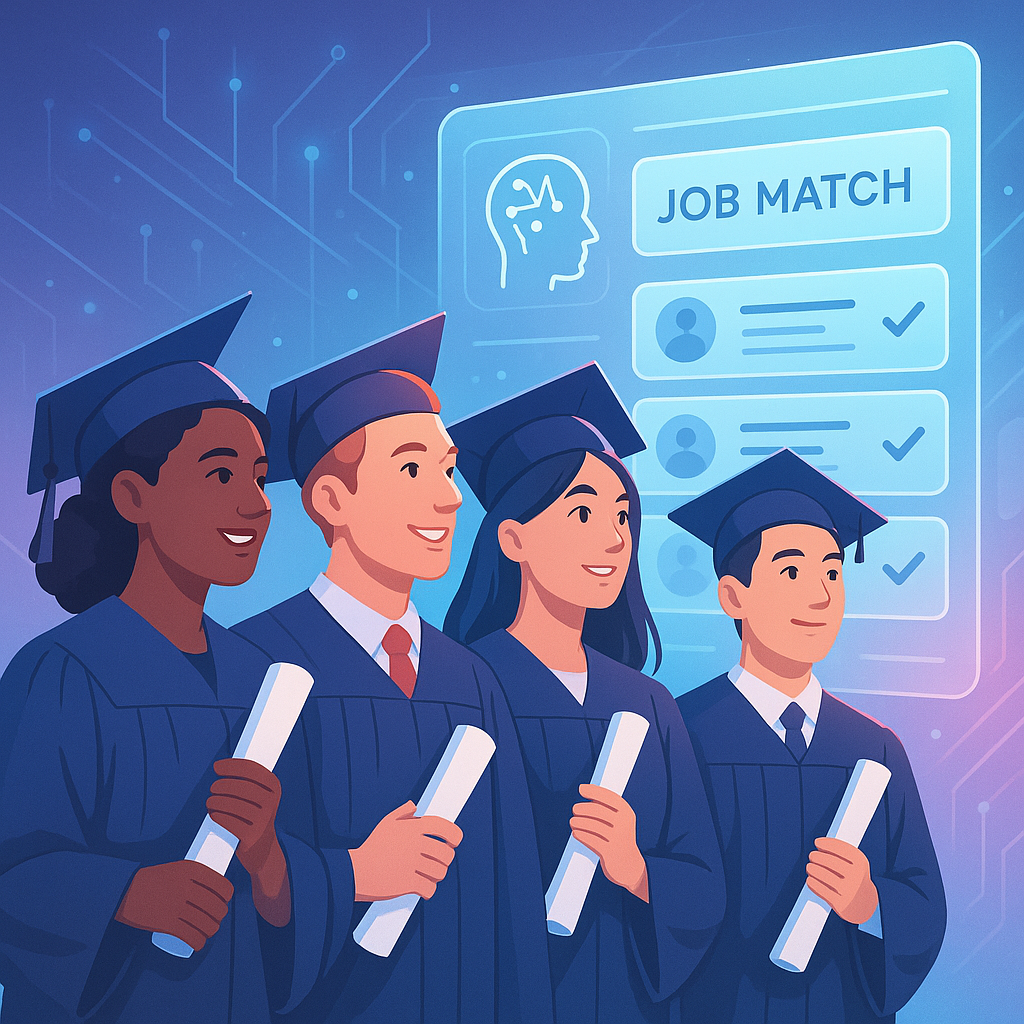
The Class of 2026: A New Generation, New Expectations
Graduating in 2026 won’t be a walk in the park. Entry-level job postings now demand experience and niche skills that used to be reserved for mid-level roles. According to HR Dive, employers are doubling down on finding the “perfect fit” candidate, while graduates are looking for jobs that match their lifestyle and values.
So, what does this new class want? Flexibility tops the list. Hybrid work is non-negotiable for most grads, but it’s not just about working from home. They want autonomy to structure their day, trust from their employer, and meaningful work.
Another big one? Development opportunities. Graduates prioritize roles with clear paths for growth—whether that’s upskilling, mentorship, or cross-functional experience.
Why Recruiters Are Struggling to Keep Up
While grads are clear about their priorities, recruiters face their own challenges. The job market is more selective than ever. Employers aren’t just looking for someone who can do the job—they want someone who’ll thrive in their culture. And they’re willing to sift through hundreds of resumes to find them.
The problem? Manual resume screening eats up significant time that recruiters don’t have. This is time spent on unqualified candidates instead of connecting with top talent.
How AI Can Bridge the Gap
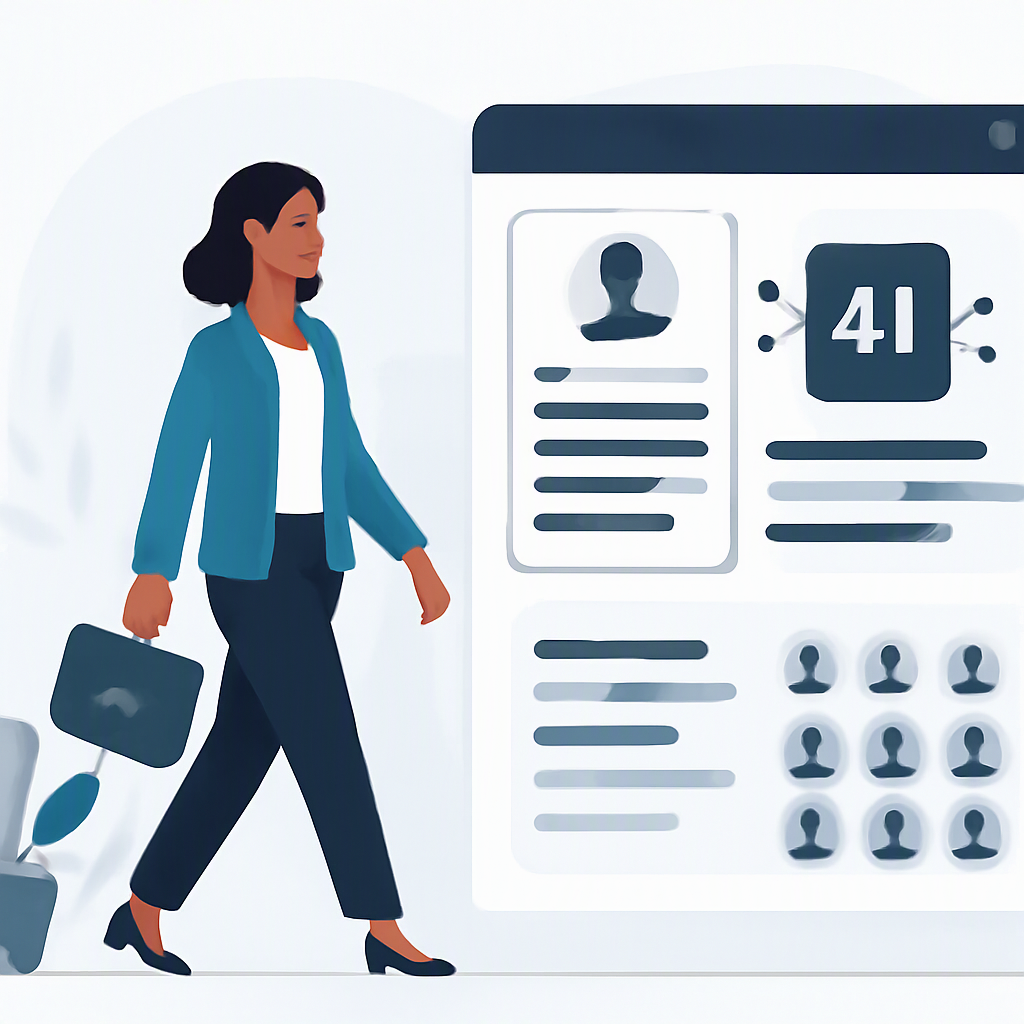
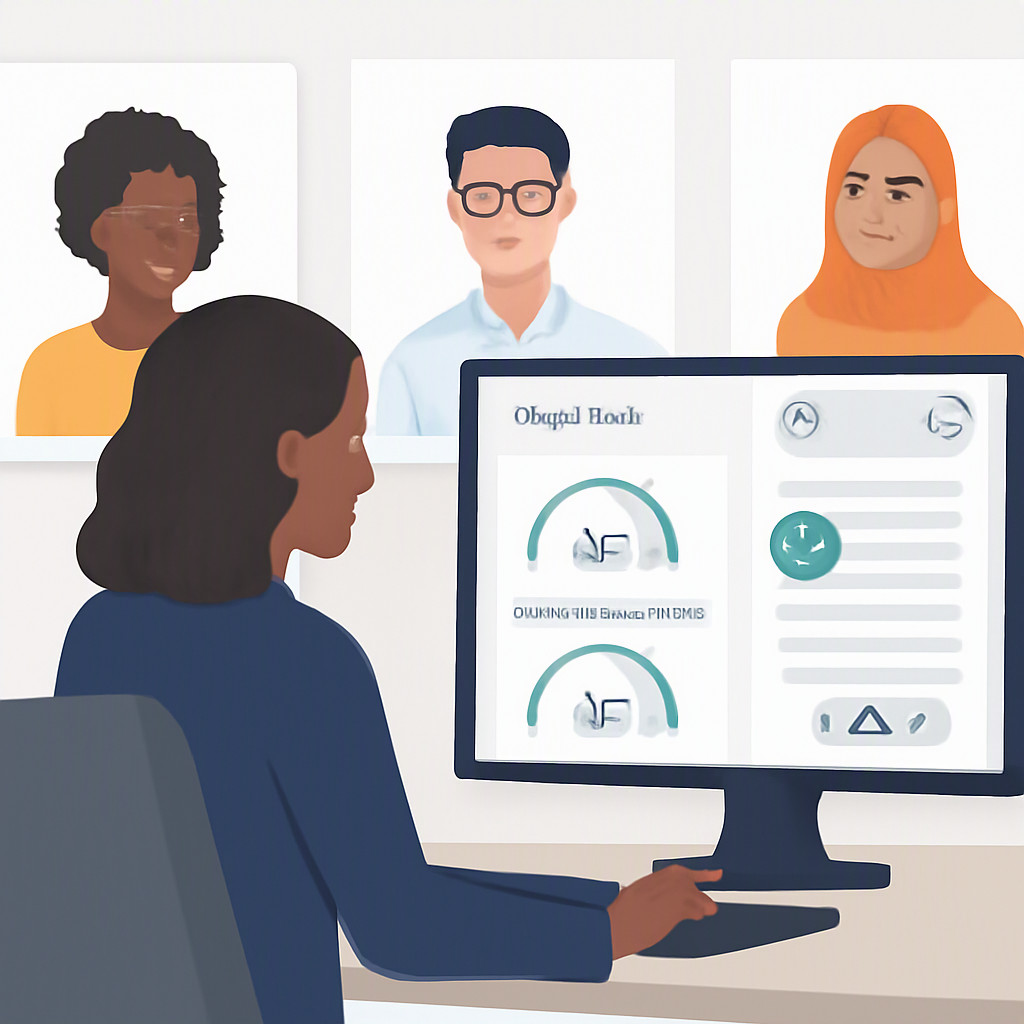
This is where AI-powered tools can help. For example, if you’re hiring for an entry-level marketing role, but the job description requires fluency in Google Analytics and HTML/CSS—skills that only a fraction of applicants have—AI tools can analyze and score resumes against the job description.
Illustrative example — Instead of manually combing through resumes, an AI platform could provide a ranked list of candidates who meet the criteria. This approach saves time and ensures consistency by eliminating human bias and applying the same evaluation standards to every resume. For graduates, this means a fair shot at being noticed, even if their resume isn’t flashy.
Matching Grads to Their Dream Jobs
Another way AI helps? By providing actionable feedback to candidates. Some platforms don’t just score resumes—they also suggest improvements. For instance, if a grad’s resume lacks quantifiable achievements, the system might recommend adding metrics like "Increased social media engagement." This kind of guidance can be a game-changer for new grads who don’t know how to stand out.
For employers, the benefits are clear. When graduates submit polished resumes tailored to the job description, recruiters get higher-quality applicants. It’s a win-win.
Common Mistakes Recruiters Should Avoid
- Overloading Job Descriptions: Entry-level jobs shouldn’t look like senior roles. If you want grads to apply, keep requirements realistic.
- Ignoring Transferable Skills: Many grads have experience in internships or extracurriculars that translate well to the workplace. Don’t overlook these.
- Relying Solely on ATS Filters: Basic ATS systems often miss nuanced matches. Advanced AI tools can go beyond keyword filtering to find candidates with the right combination of skills.
Final Thoughts
The Class of 2026 knows what they want, but the hiring process can be challenging. Employers need to adapt—whether it’s by offering flexibility, rethinking job descriptions, or using AI tools to streamline hiring. By aligning with these priorities, companies can attract and retain top talent from this new generation.