Why Employee Experience Became Mobility’s Hardest Metric
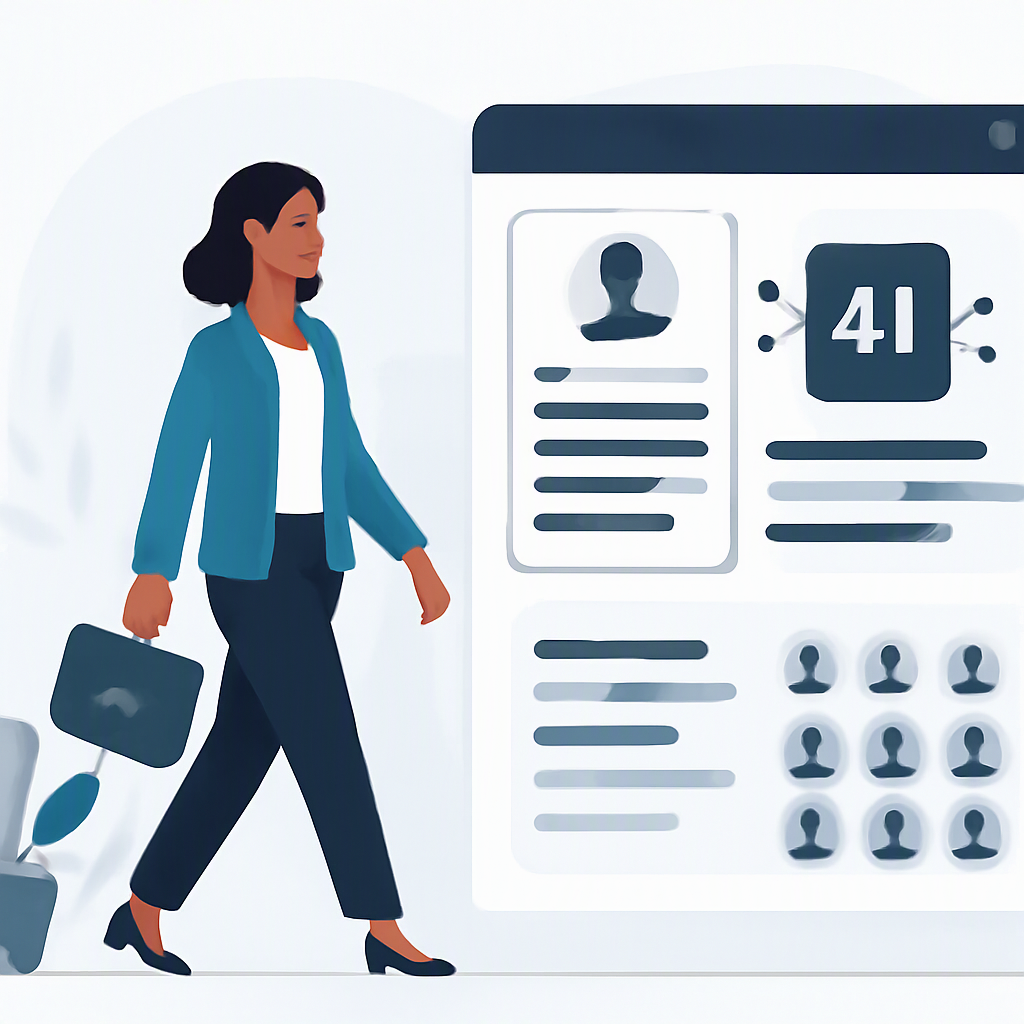
Employee experience isn’t just a buzzword anymore. It’s a real issue for workforce mobility, and HR teams are struggling to measure it. Why? Because it's intangible. You can track turnover rates or internal promotions, but how do you quantify whether employees feel supported, valued, or fulfilled during transitions?
Mobility—moving employees between roles, departments, or even locations—is supposed to be a growth opportunity. Yet, many companies miss the mark. A survey by SHRM found that over 60% of employees who experience internal mobility feel detached afterward. Remote work has complicated this further. Employees don’t always get the cultural signals or informal support they’d receive in an office setting.
So, where does this leave HR teams? They’re stuck chasing metrics that don’t tell the full story.
The Real Problem: Inconsistent Evaluation
One of the biggest gaps in measuring employee experience during mobility is inconsistency. Managers have subjective views, and systems often lack standardized processes. Imagine two employees applying for an internal transfer. One gets glowing feedback from their previous manager; the other gets vague comments. Same talent pool, but wildly different evaluations.
This inconsistency isn’t just unfair—it’s damaging. Employees start doubting the process and disengage. That’s bad for retention.
Actionable Steps to Address Inconsistency:
- Create Standardized Evaluation Frameworks: Develop templates or scorecards for managers to assess employees consistently. Standardize key categories like leadership, collaboration, and technical skills.
- Train Managers on Objective Feedback: Bias often creeps into evaluations due to lack of training. Host workshops for managers to recognize unconscious bias and provide actionable, measurable feedback.
- Use Peer Reviews: Incorporate 360-degree feedback for a broader perspective. Peers can often highlight strengths that managers overlook.
By addressing these inconsistencies, you reduce the perception of favoritism and make the mobility process more transparent.
How AI Can Simplify Metrics
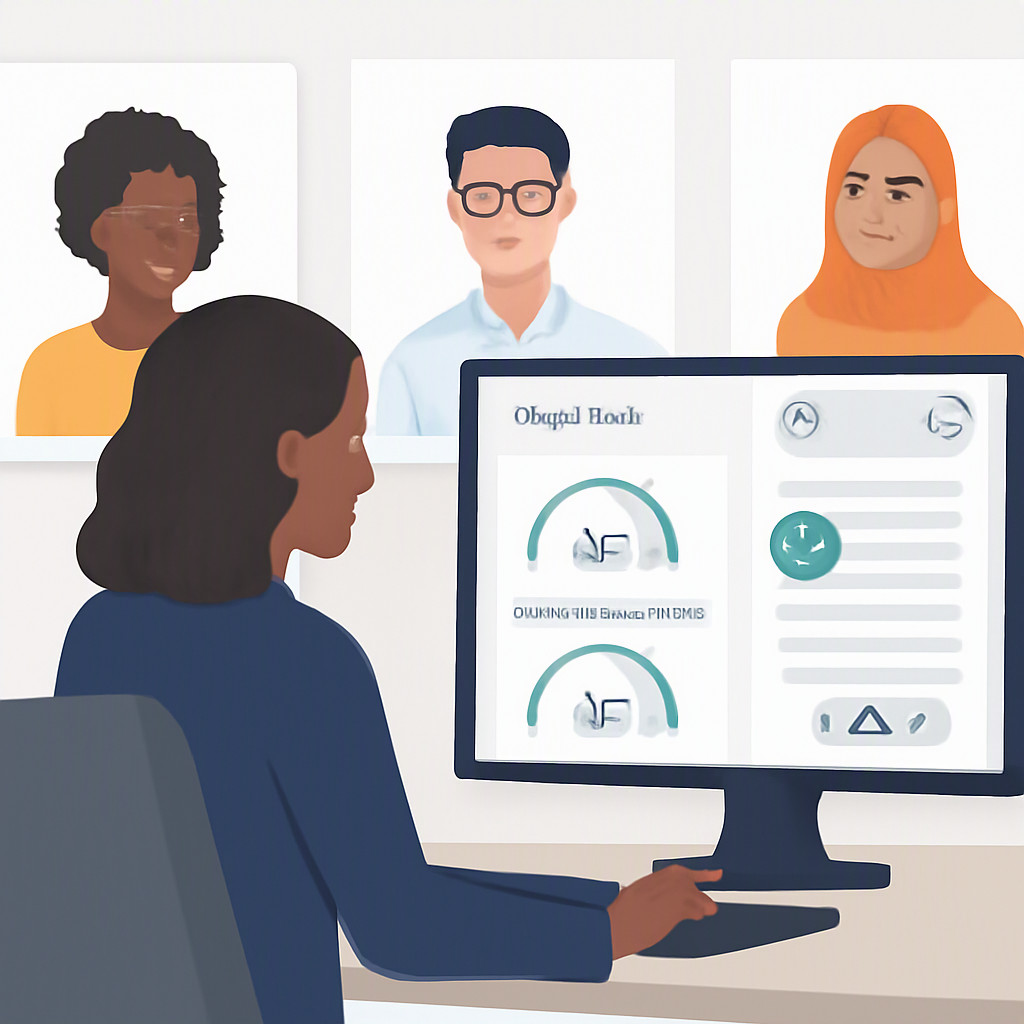
AI won’t fix everything, but it can tackle some of the mess. Tools like TalentNext help HR teams evaluate candidates objectively. For example, TalentNext’s AI-powered resume screening can score internal applicants against job descriptions without human bias. It highlights transferable skills, flags relevant experience, and ensures all candidates are assessed by the same criteria.
A Practical Example:
Think about this: an employee in a marketing role wants to move into product management. Their resume doesn’t scream “PM,” but they’ve led cross-departmental projects, managed budgets, and handled analytics—all critical PM skills. TalentNext’s AI can identify these strengths and recommend them for the role. Without it, the employee might get skipped over because their experience isn’t the traditional PM path.
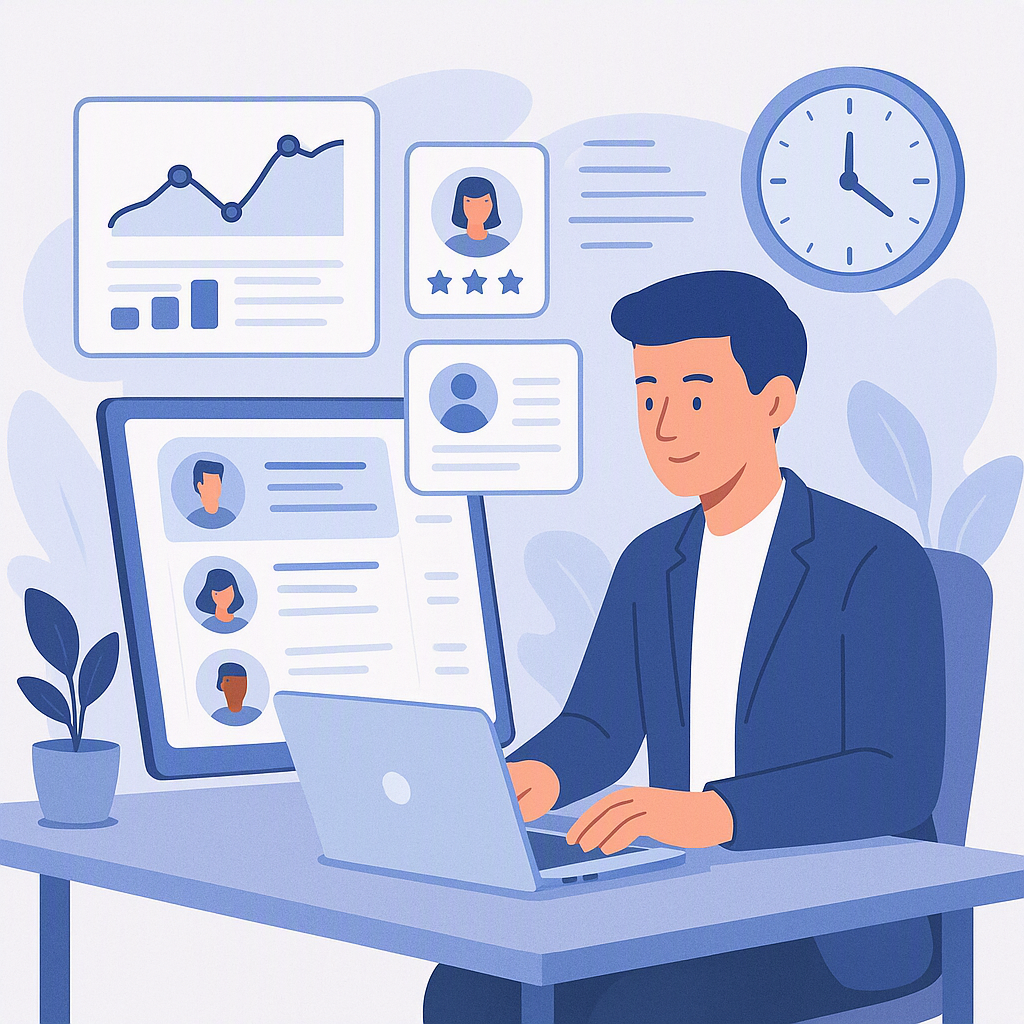
AI tools also reduce administrative burden. Instead of manually reviewing resumes or collating feedback, HR teams can use AI to standardize and speed up these processes.
Employee Experience Metrics AI Can Improve
Here are a few specific metrics AI makes easier to track:
1. Skills Alignment:
- What It Means: Are employees moving into roles that match their strengths and future career aspirations?
- How AI Helps: AI tools can generate scorecards showing how well an employee’s skills fit the new position. This ensures employees are placed in roles where they can excel.
2. Feedback Quality:
- What It Means: Are employees receiving actionable, constructive feedback?
- How AI Helps: AI-driven platforms analyze feedback trends to ensure it’s specific and actionable. For example, generic feedback like "needs improvement" is flagged as unhelpful.
3. Time to Mobility:
- What It Means: How long does it take for employees to transition to a new role?
- How AI Helps: AI automates resume screening, skill matching, and other manual processes, cutting down timelines.
4. Retention Post-Mobility:
- What It Means: Are employees staying engaged and satisfied after their move?
- How AI Helps: AI analyzes survey feedback and tracks performance trends post-transfer to identify patterns of disengagement.
Why It’s Not Perfect
Let’s be real—AI isn’t flawless. It won’t measure soft skills or cultural fit. These things still need human input. If your company leans heavily on AI without layering in human judgment, you’ll miss nuances that make or break employee satisfaction.
Limitations of AI in Mobility:
- Cultural Fit: AI cannot gauge how well an employee aligns with team dynamics or company values.
- Unique Career Aspirations: AI lacks the ability to understand personal career goals unless explicitly stated.
- Over-Reliance on Algorithms: AI’s recommendations can be limited by the quality of data it’s trained on. Garbage in, garbage out.
AI isn’t meant to replace humans—it’s a tool for efficiency. Use it to refine the candidate pool and gather actionable data, then let managers make the final call.
Common Mistakes When Using AI for Mobility Metrics
-
Over-Reliance on Scores:
- A high match score doesn’t mean someone will thrive in the role. Combining AI insights with interviews and peer assessments ensures a more holistic evaluation.
-
Ignoring Employee Feedback:
- Don’t assume AI knows what employees want. Conduct post-mobility surveys to validate that employees feel supported and valued.
-
Failing to Monitor AI Bias:
- Regular audits are essential to ensure AI systems are not perpetuating bias. Amazon scrapped their AI hiring tool in 2018 because it discriminated against women (Reuters).
Comparison Table: AI vs. Traditional Approaches in Mobility Metrics
| Aspect | Traditional Approach | AI-Driven Approach |
|---|---|---|
| Skills Assessment | Manual manager review, subjective | Objective algorithms analyze skill match |
| Time to Evaluate | Weeks or months | Automated, takes minutes |
| Bias | High risk due to human subjectivity | Reduced, but still requires monitoring |
| Feedback Quality | Dependent on manager’s style | Standardized and actionable |
| Retention Insights | Limited to exit interviews | Real-time trend analysis |
Final Thoughts
Employee experience isn’t just about perks or pay. It’s about making transitions meaningful, equitable, and growth-oriented. AI tools like TalentNext make mobility smoother by cutting out bias, saving time, and providing actionable insights. But it’s not a silver bullet—you need to combine AI insights with human empathy.
If improving mobility metrics feels overwhelming, TalentNext can help. Get AI-powered tools to streamline your internal hiring and boost employee satisfaction. Get started free →