Let’s Be Honest: Manual Resume Screening is Broken
If you've ever had to sift through a pile of 300 resumes to find maybe five qualified candidates, you know how broken the process is. It's slow, inconsistent, and frankly, it’s a waste of your time. And the worst part? You might still miss the best candidates because you're buried in irrelevant applications.
Recruiters spend 23 hours on average screening resumes for a single hire, according to a report by Glassdoor. That’s nearly three full workdays doing something AI can handle in minutes.
Enter AI-Powered Recruitment
AI-powered recruitment software changes the game. It’s not hype—it works. Platforms like TalentNext use AI to analyze and score resumes against job descriptions. Instead of wasting your time on unqualified candidates, you get a shortlist of people who actually fit the role.
Here’s how it works:
- Upload your job description.
- Bulk upload resumes (yes, hundreds at once).
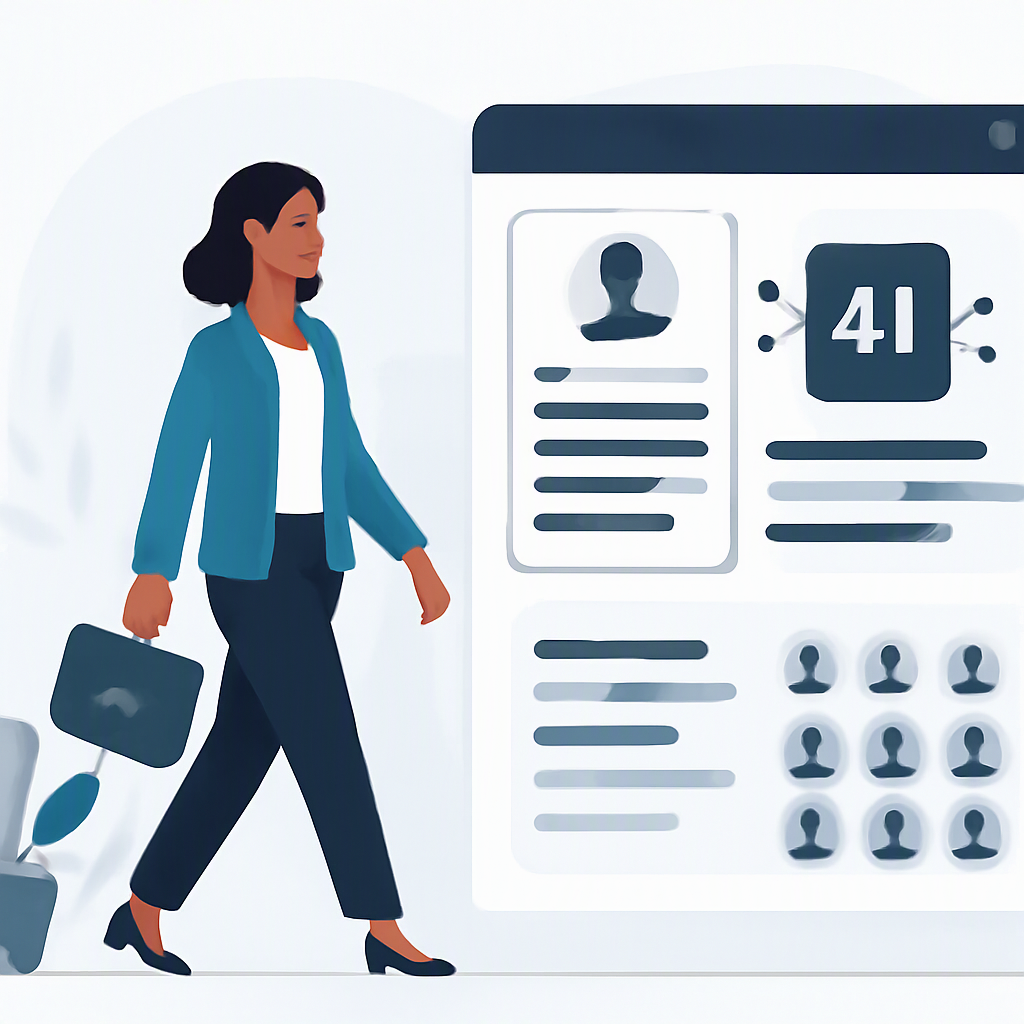
- The AI scores each candidate based on how well they match the job requirements.
In less than 10 minutes, you’ll have a ranked list of candidates with actionable insights. No fluff.
How This Helps in Real Life
Picture this: You’re hiring a software engineer. You post a job description and get 500 applications. Out of those, maybe 100 meet the basic qualifications. But how do you prioritize those 100? Do you spend hours ranking them manually?
With AI, the system analyzes keywords, experience levels, certifications, and even job-specific skills. It identifies the top 10 candidates that match the role perfectly. Suddenly, your job shifts from “resume scanner” to “talent engager.” That’s where your time should go.
But What About Bias?
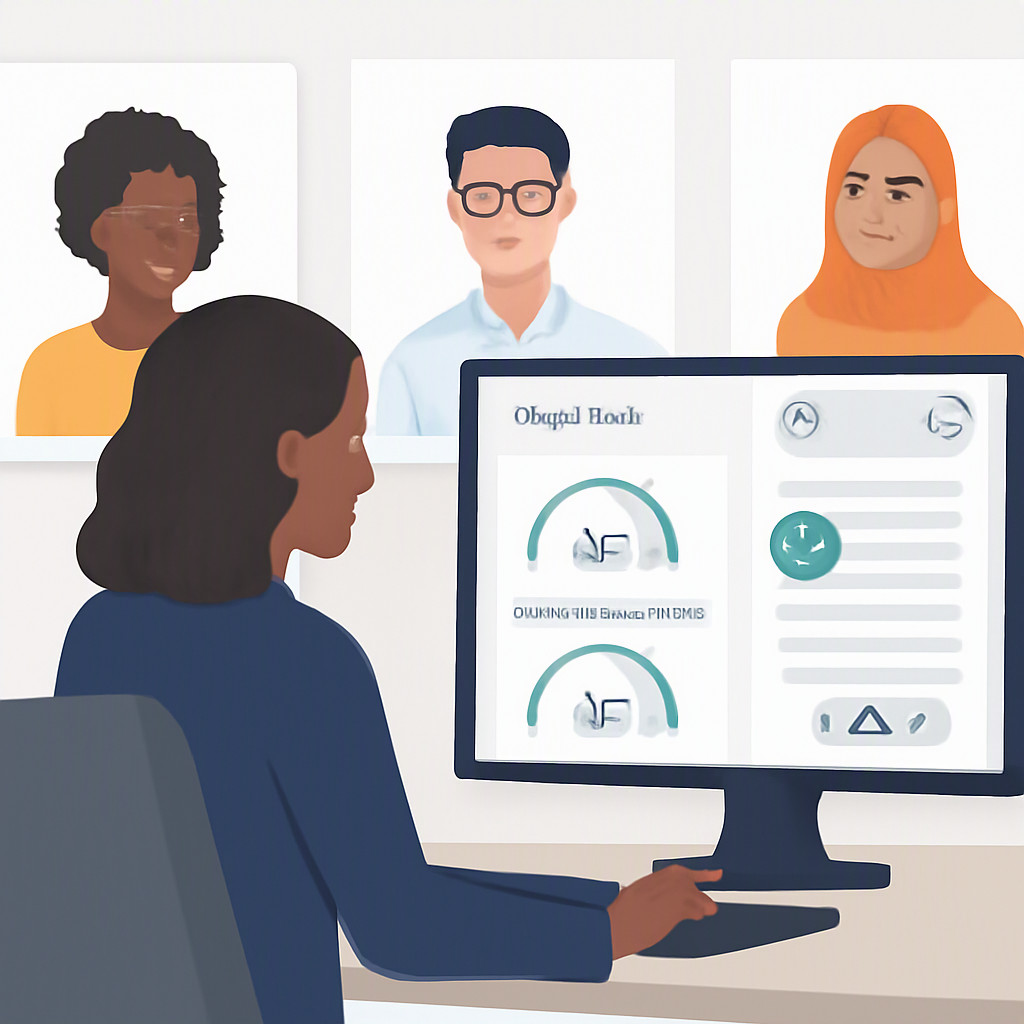
You might be thinking, “Doesn’t AI introduce bias into the process?” It’s a valid concern. AI isn’t perfect, but it’s often less biased than humans. For instance, TalentNext ensures its algorithms focus purely on job-related factors—experience, skills, and qualifications—not names or demographics.
It’s not a magic wand, but it’s a step toward fairer hiring. Plus, you can always tweak the scoring criteria to align with your company’s values.
Why Speed Matters (More Than You Think)
The longer you take to screen resumes, the higher the chance that top candidates accept offers elsewhere. According to SHRM, top talent is off the market in just 10 days. If your screening process takes weeks, you’re already losing the best people.
AI-powered tools don’t just save you time—they make sure you’re not late to the party. And let’s not forget the 75% reduction in screening time TalentNext promises. Imagine what you could do with that extra time: building relationships, improving employer branding, or, dare I say, taking a coffee break.
Final Thought: It’s Time to Work Smarter
If you’re still manually screening resumes in 2023, you’re falling behind. AI-powered recruitment tools like TalentNext aren’t just nice-to-have—they’re must-haves. They save time, reduce bias, and help you focus on what really matters: connecting with the best talent.
The question isn’t whether you should adopt AI in your hiring process. It’s why you haven’t already.
Want to see how it works? Check out Upflinx’s webinar for a practical intro to AI-powered recruitment.
Ready to see TalentNext in action?
AI-powered resume screening and recruitment platform that instantly analyzes and scores resumes to streamline hiring.
Get Started Free →