Manual Resume Screening Is Broken
Let’s face it: reviewing resumes manually is a time sink. Recruiters spend 23 hours on average screening resumes for a single hire. That’s almost three full workdays. And what do we get for all that effort? Often, an inbox full of unqualified applications and the feeling that we’re just spinning our wheels.
AI-powered recruitment is rewriting how we approach this bottleneck. It’s not about replacing humans; it’s about making the process smarter. Tools like TalentNext analyze resumes in seconds, instantly matching candidates to job descriptions. No more scanning for keywords or guessing who might fit. The software does the heavy lifting, so you can focus on reaching out to the best talent.
Real Results: 75% Less Screening Time
Here’s the kicker: using AI for resume screening isn’t just faster—it’s way faster. For example, TalentNext claims it can reduce screening time by up to 75%. Let’s say you’re hiring for a mid-level marketing role and receive 200 applications. Normally, you’d need hours (or even a full day) to review them. With AI, that process takes minutes.
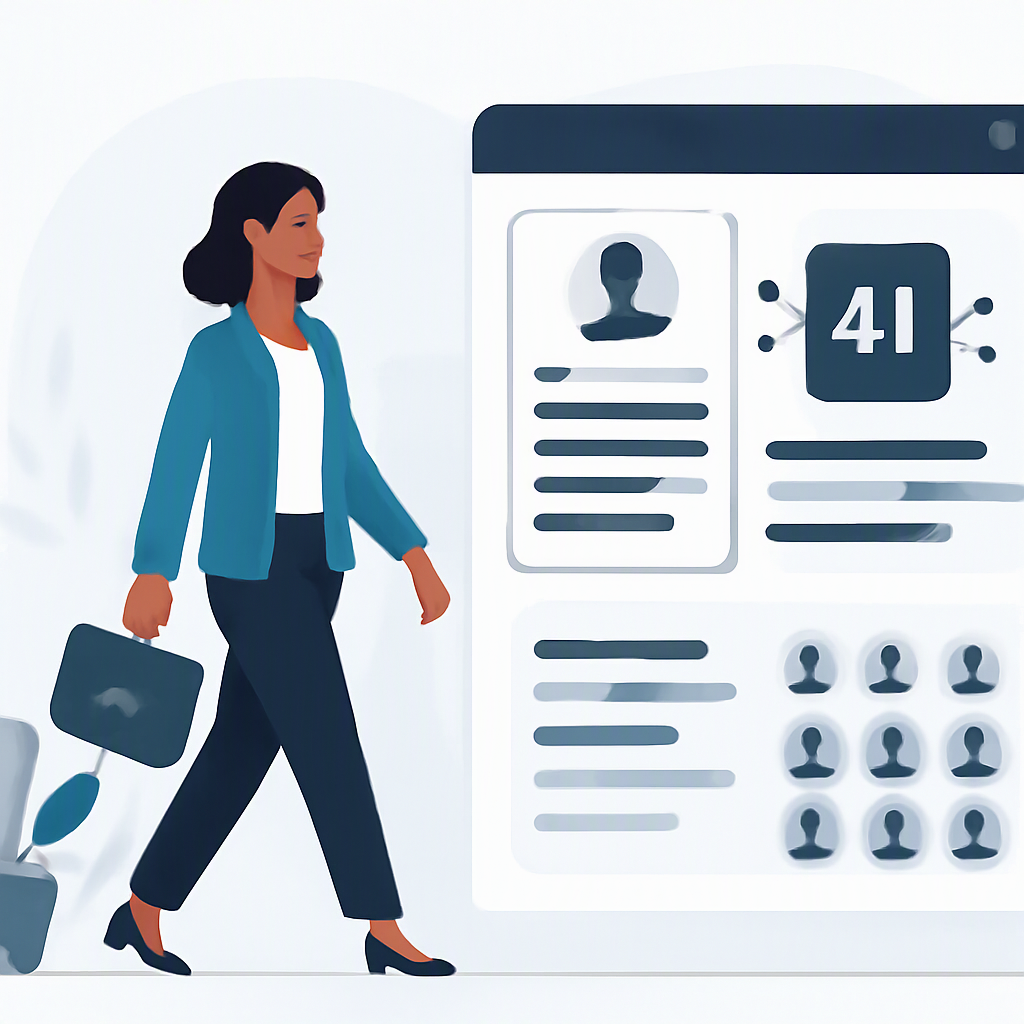
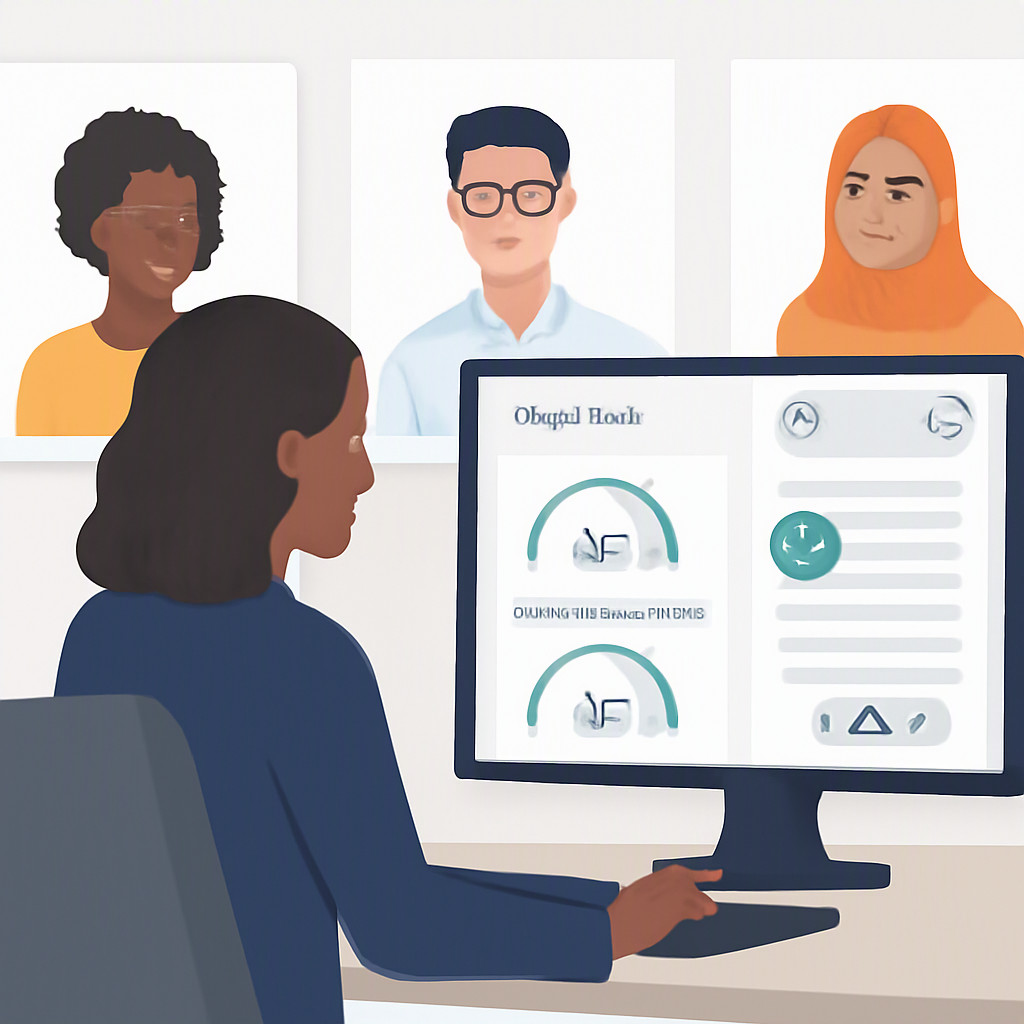
How does it work? The software scores each resume based on how well it aligns with the job description. It flags the top matches and provides a detailed “candidate scorecard.” You’re not just getting a list of names; you’re getting actionable insights. Think of it as your personal hiring assistant, except it doesn’t take coffee breaks.
The Obvious Objection: “What About Bias?”
You might be thinking, “Sure, AI sounds great, but what if it’s biased?” Fair question. AI learns from data, and if the data it’s trained on includes biases (like favoring certain schools or genders), those biases can creep into its recommendations.
The good news? Modern AI tools are built with safeguards to minimize this. For instance, TalentNext uses anonymized resume screening, stripping out identifiers like names and photos. This helps reduce unconscious bias, ensuring candidates are evaluated on their skills and experience—not on factors that shouldn’t matter.
Of course, no system is perfect. That’s why AI should be used as a tool, not a decision-maker. The final call should still be yours. AI gives you the shortlist, but it’s up to you to decide who moves forward.
Why It’s Not Just for Recruiters
Here’s a twist: AI-powered resume tools don’t just help recruiters. They’re a game-changer for candidates too. Take TalentNext’s feedback feature. Job seekers can upload their resumes and receive instant suggestions for improvement. Want to know why your resume isn’t landing interviews? The AI will tell you.
This kind of transparency levels the playing field. Candidates can see exactly how their resume stacks up against a job posting. No more sending out applications into a black hole.
The Bottom Line
AI-powered recruitment tools aren’t just a nice-to-have anymore. They’re becoming essential if you want to hire faster and smarter. Whether you’re a recruiter drowning in resumes or a candidate trying to stand out, platforms like TalentNext offer real solutions.
Manual screening might’ve worked in the past, but we’re not in the past anymore. It’s time to work smarter.
Ready to see TalentNext in action?
AI-powered resume screening and recruitment platform that instantly analyzes and scores resumes to streamline hiring.
Get Started Free →