Hiring Is Broken (And We All Know It)
Let’s face it. Going through resumes manually is a nightmare. You’ve got 200 applications for one role, and 80% of them aren’t even close to qualified. Sound familiar?
Recruiters spend 23 hours on average screening resumes for one hire. That’s nearly three workdays lost on a task that doesn’t actually help you hire better. The worst part? Human bias creeps in. Whether it’s unconscious favoritism for certain schools or overlooking non-traditional candidates, manual screening is far from perfect.
But here’s the good news: AI-powered recruitment software can change all of that. Tools like TalentNext don’t just cut down on screening time—they actually improve the quality of your shortlists.
What AI-Powered Resume Screening Actually Does
AI screening tools analyze resumes and match them to job descriptions based on skills, experience, and even context. Unlike keyword filters (which are outdated and dumb), AI understands the relationships between terms. For example, it knows that "Python" often relates to coding, not reptiles.
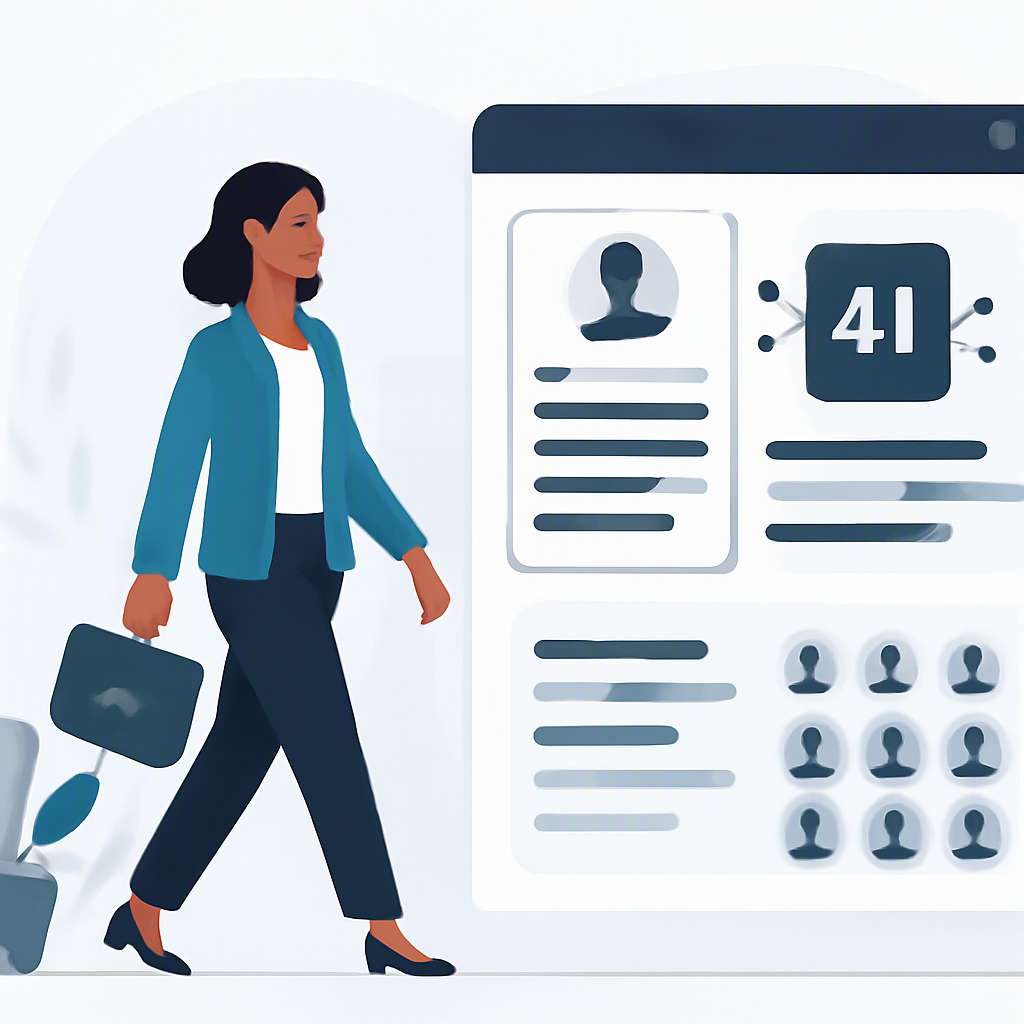
One standout feature? TalentNext’s candidate scorecards. These scorecards rank applicants by how well they match your job posting. No more guessing—just hard data to back up every decision.
Here’s how it works:
- Upload resumes in bulk. Forget opening 200 PDFs. TalentNext processes them all in one go.
- Upload your job description. The AI uses this as the benchmark for scoring candidates.
- Get a ranked list. The software scores each resume on a 0–100 scale, so you can focus on the top contenders immediately.
Say you’ve got 150 applicants. TalentNext can filter them down to the top 20 in minutes. That’s 75% less time spent compared to doing it manually. LinkedIn reports that recruiters using AI tools like this are filling roles 50% faster.
Does This Really Work?
You might be skeptical. "Sure, it’s faster, but does it actually pick the right candidates?"
Fair question. And honestly, early AI recruiting tools weren’t great. They relied too much on exact keyword matches, leaving out great candidates with unconventional resumes. But modern platforms like TalentNext use machine learning models that adapt and improve with more data. They’re trained to look beyond keywords and analyze skills, achievements, and even transferable experience.
For example, let’s say you’re hiring a marketing manager. A traditional filter might exclude someone with a "communications" degree instead of a "marketing" degree. But AI understands that these fields overlap. It gives credit where it’s due.
Ethical Concerns? Let’s Address Them
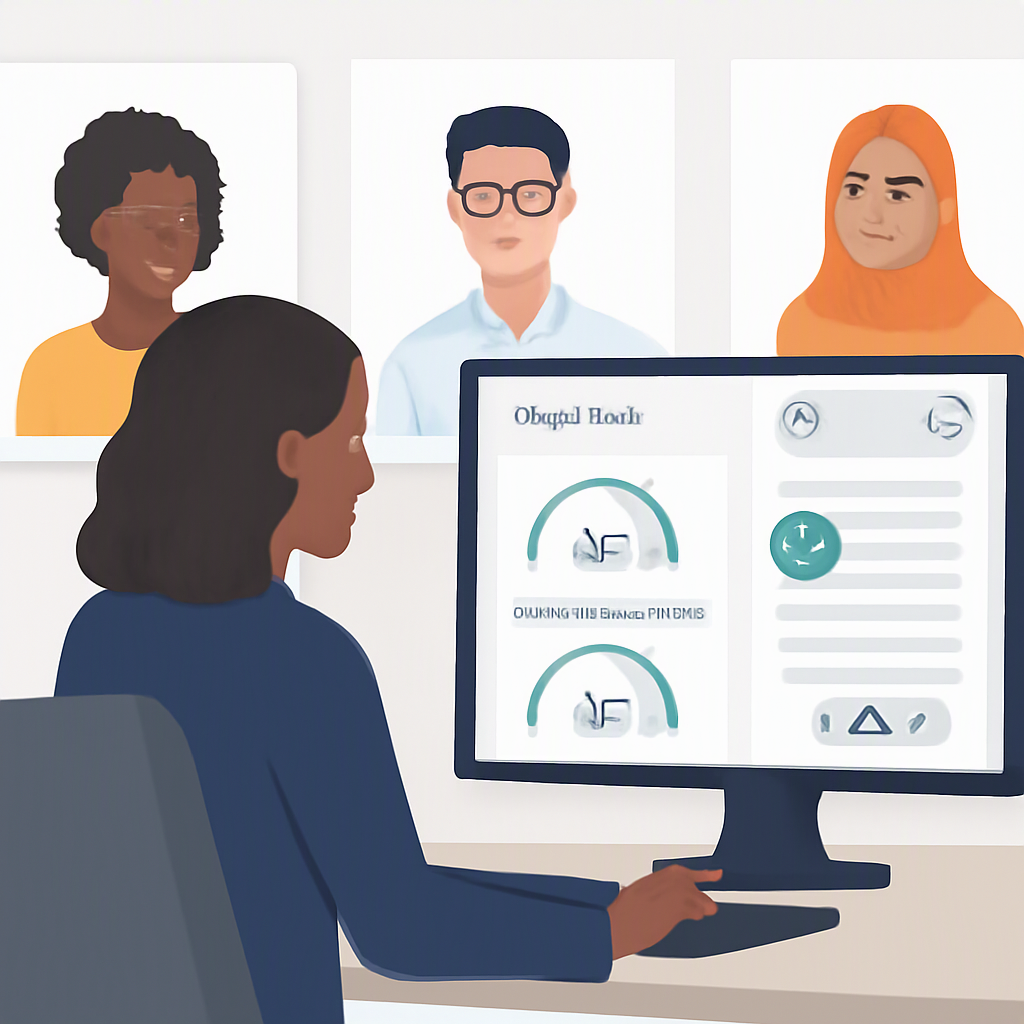
Some argue that AI could reinforce bias if trained on flawed data. It’s a valid concern. But responsible platforms like TalentNext actively work to reduce bias. How? By anonymizing data (removing names, photos, etc.) before analysis. This levels the playing field for candidates, focusing purely on qualifications and skills.
Still skeptical? You’re not alone. Harvard Business Review points out that while AI isn’t perfect, it’s often less biased than humans. Think about it: AI doesn’t get tired or distracted after reading 50 resumes in a row.
How to Get Started With AI-Powered Hiring
Ready to stop wasting time on grunt work? Here’s how to dip your toes into AI-powered recruitment:
- Pick a tool. Start with a trial of TalentNext or similar platforms. Look for features like bulk resume uploads, candidate scorecards, and bias-reduction measures.
- Start small. Test it on one role first—maybe a high-volume position like customer support. Track how much time you save.
- Use the data. Don’t just rely on the AI scores blindly. Combine them with your recruiter instincts to make final decisions.
AI isn’t here to replace recruiters. It’s here to make your job easier—and your hires better.
Final Thoughts
Recruitment is tough, but it doesn’t have to be inefficient. AI-powered tools like TalentNext simplify the process, saving you time and helping you focus on what matters: connecting with the best candidates. So why are you still wasting hours on manual screenings? Let AI do the heavy lifting.
Want to see it in action? Try TalentNext for free and experience the difference yourself.