AI in Recruitment: A Real Fix for a Real Problem
Let’s face it. Manually screening resumes is a time sink. Recruiters spend 23 hours on average scanning resumes for just one hire. That’s an entire workweek gone, sorting through piles of applications where half don’t even meet the basic requirements.
You might think, "Why not just set stricter filters on job boards?" Sure, filters help, but they’re blunt instruments. They can’t tell the difference between a great candidate who used unconventional keywords and someone who’s just keyword-stuffing. That’s where AI-powered recruitment software steps in.
How AI Changes the Resume Screening Game
AI doesn’t just speed things up—it makes the process smarter. For example, TalentNext’s resume screening tool doesn’t stop at keyword matching. It analyzes resumes contextually, comparing them directly to the job description. Let’s say you’re hiring a marketing manager. A manual scan might miss the applicant who calls themselves a “growth strategist.” AI picks that up.
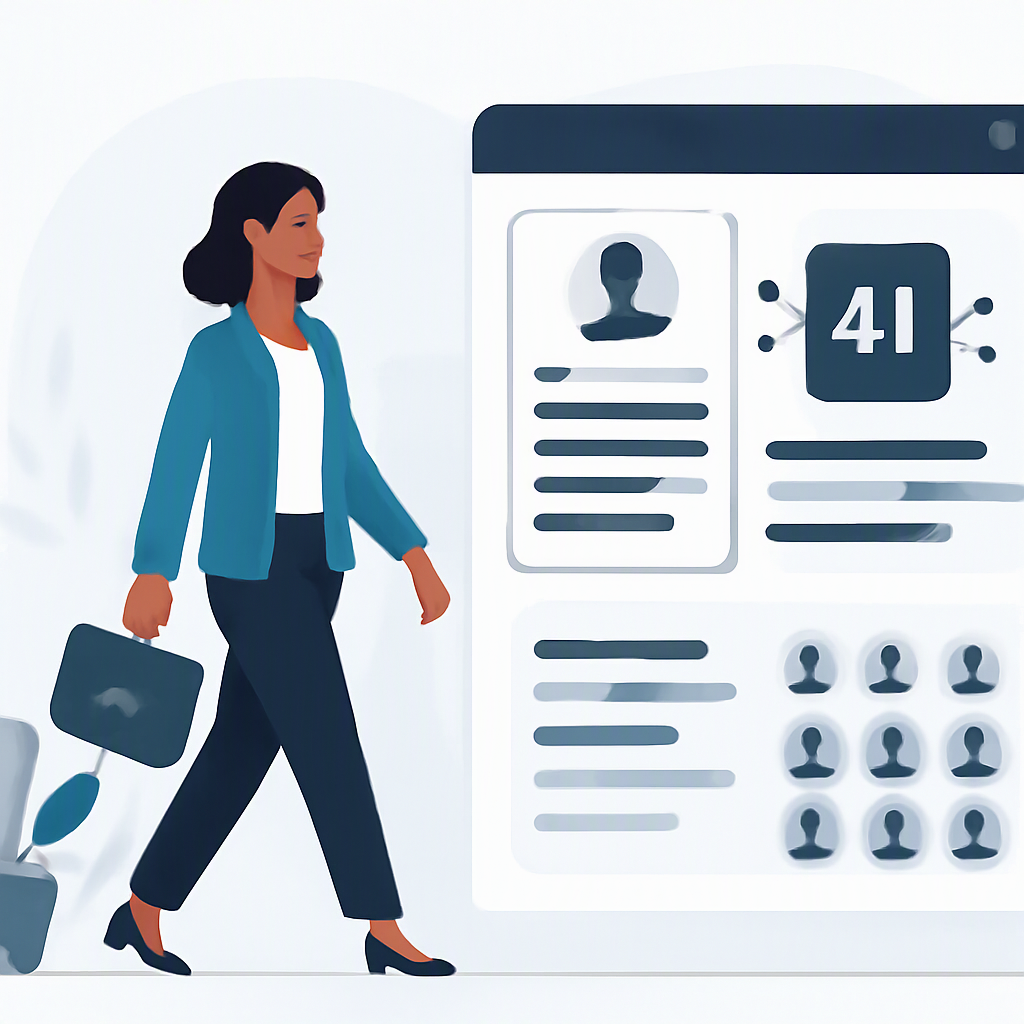
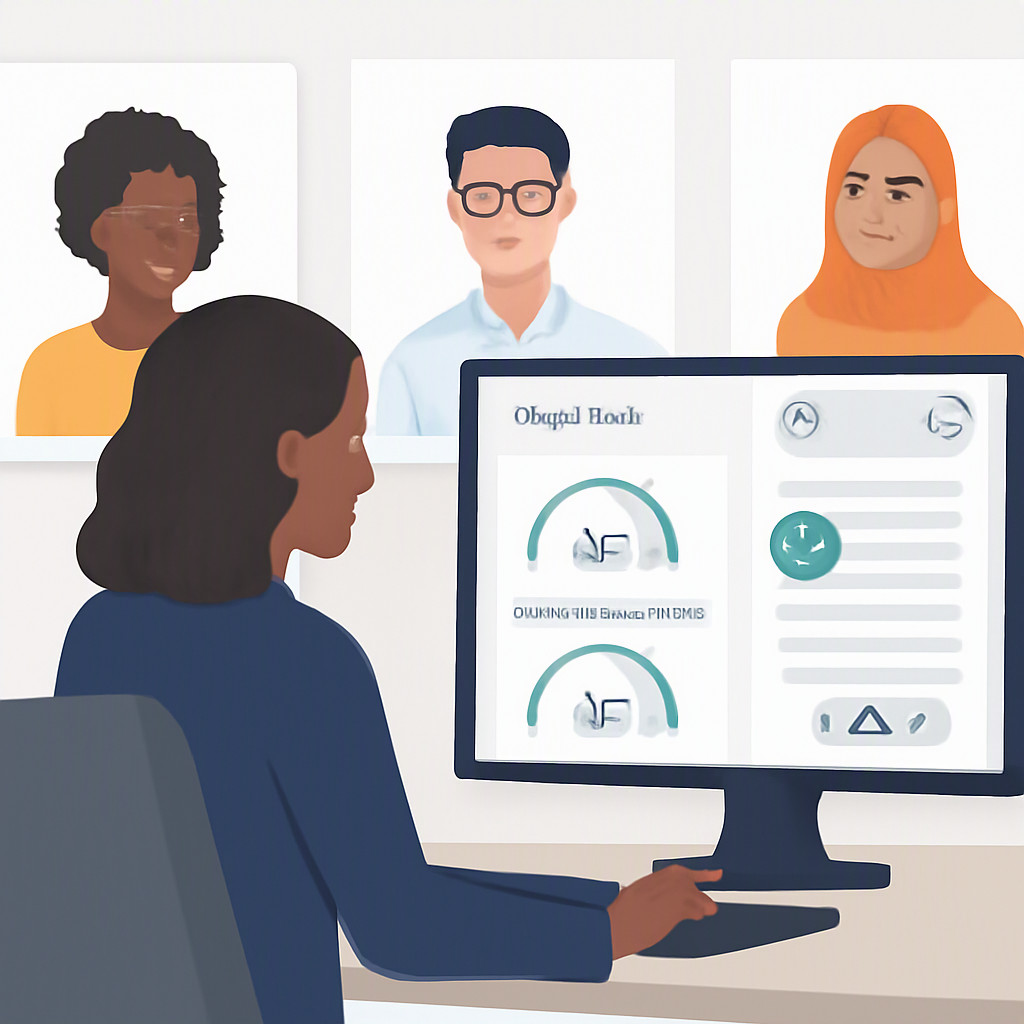
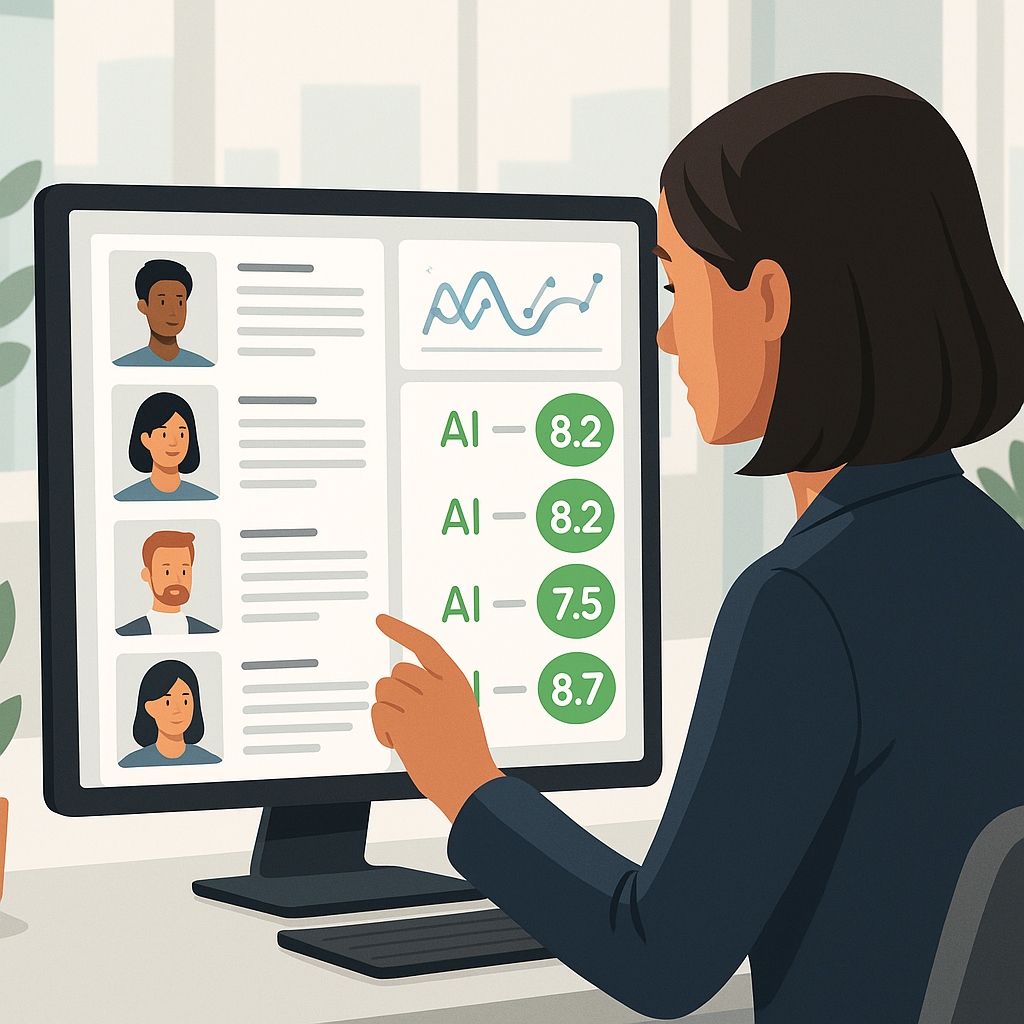
And here’s the kicker: you can process hundreds of resumes at once. Upload them in bulk, and TalentNext scores each one against the job posting. In seconds, you get a ranked shortlist. Instead of wasting time on resumes that don’t fit, you’re spending time engaging with candidates who actually do.
What About Bias?
You’re probably wondering, “Doesn’t AI just automate human bias?” It’s a fair question. Bad AI can be biased, especially if it’s trained on flawed data. But good systems, like TalentNext, are designed to flag potential bias. They focus on skills, qualifications, and match strength—not irrelevant factors like a candidate’s name or address. Still, it’s on you to monitor and adjust. AI’s a tool, not a magic wand.
Real Results, Not Just Theory
Here’s a quick stat: companies using AI-powered recruitment tools cut their screening time by up to 75%. That’s not just marketing fluff. It’s backed by real-world use cases. For example, this webinar on AI in recruitment shares how teams are implementing AI to handle applicant pools of 1,000+ without breaking a sweat.
Another example? One HR team featured in this YouTube guide reduced their hiring timeline by 40% after switching to AI systems. Faster screening means quicker hires, and that’s a competitive edge in today’s talent market.
What’s the Catch?
No tool is perfect. AI can’t replace human judgment. It won’t know if a candidate has the personality to fit your team or the creativity to solve unique challenges. That’s still your job. But it can handle the grunt work so you’re not drowning in resumes.
The other challenge? Adoption. Some recruiters resist AI because they think it’s too complex. Here’s the thing: it’s not. Most platforms, including TalentNext, are user-friendly. If you can upload a file and read a report, you’re good to go.
The Takeaway
AI-powered recruitment isn’t just hype. It solves real problems—time wasted on manual screening, inconsistent evaluations, and missed top talent. Tools like TalentNext make resume screening faster, smarter, and more objective. Will it fix everything? No. But it’ll free up your time to do what you’re actually good at: building relationships with great candidates.
If you’re still using spreadsheets and manual filters, it’s time to rethink your process. AI isn’t the future—it’s already here.
Ready to see TalentNext in action?
AI-powered resume screening and recruitment platform that instantly analyzes and scores resumes to streamline hiring.
Get Started Free →