Tired of Wasting Time on Resume Screening? You’re Not Alone.
Let’s be real. Sorting through resumes can feel like trying to find a needle in a haystack. According to a study by Ideal, recruiters spend an average of 23 hours screening resumes for a single hire. That’s an entire day gone before you even get to interviews.
And here’s the kicker: over 75% of resumes you’ll review are from unqualified candidates. So why are we still doing this manually?
The hiring process is begging for automation. Enter: AI-powered recruitment software. Tools like TalentNext don’t just save time—they make smarter decisions while you’re at it. Let’s break it down.
How AI-Powered Resume Screening Works
The idea is simple: you upload a batch of resumes, and the AI analyzes them against a job description. But how does it actually do that?
Here’s the process in plain English:
- Keyword Matching: The AI scans for skills, titles, and certifications that match the job description. Think of it as a turbocharged “Ctrl + F.”
- Contextual Understanding: Unlike simple filters, AI can understand phrases like “led cross-functional teams” or “managed a $1M budget.” It knows these mean leadership and budgeting experience.
- Scoring: Each resume gets a match percentage. For example, a candidate with 90% might have most of the skills and experience you’re looking for, while someone with 50% might lack key qualifications.
No more guessing. No more wasting hours on resumes that don’t fit.
Real-World Example: TalentNext’s Bulk Resume Upload
Let’s say you’re hiring for a marketing manager. You post the job, and boom—100 resumes hit your inbox.
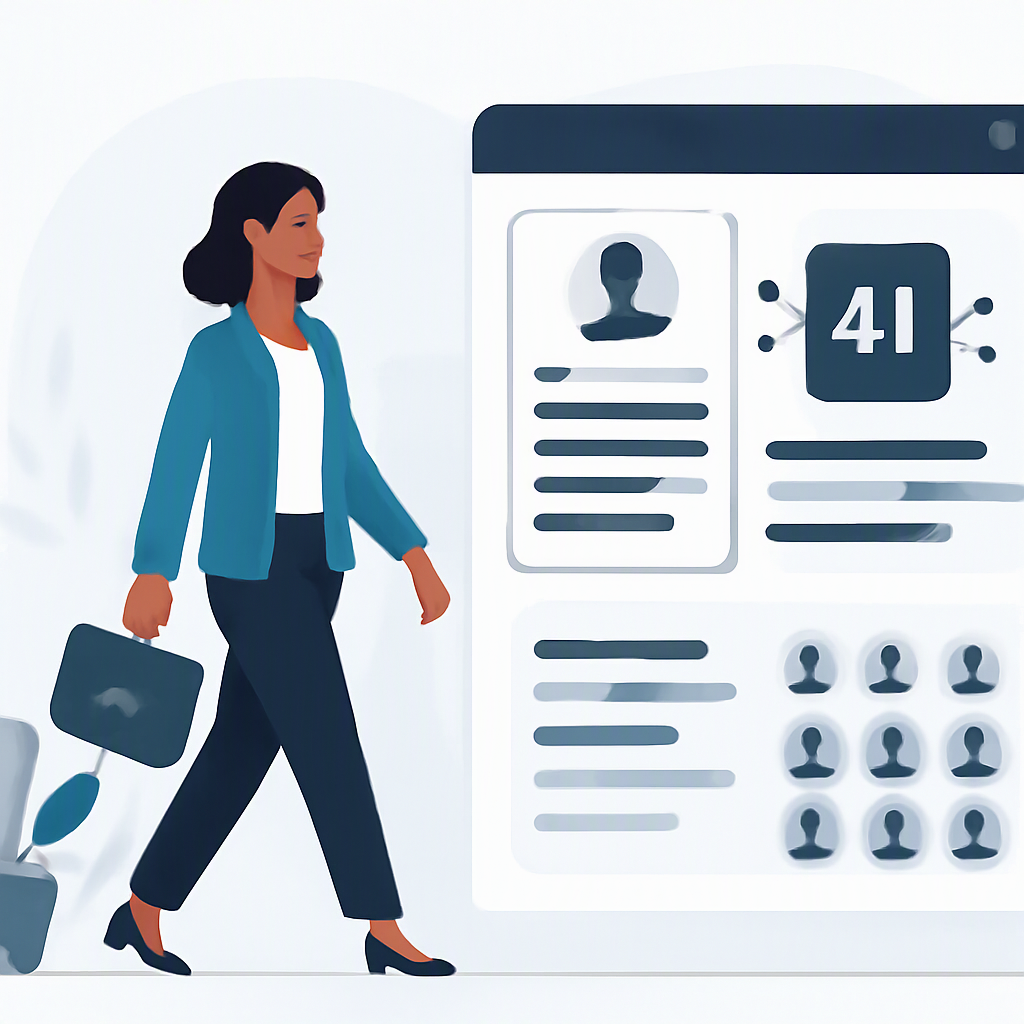
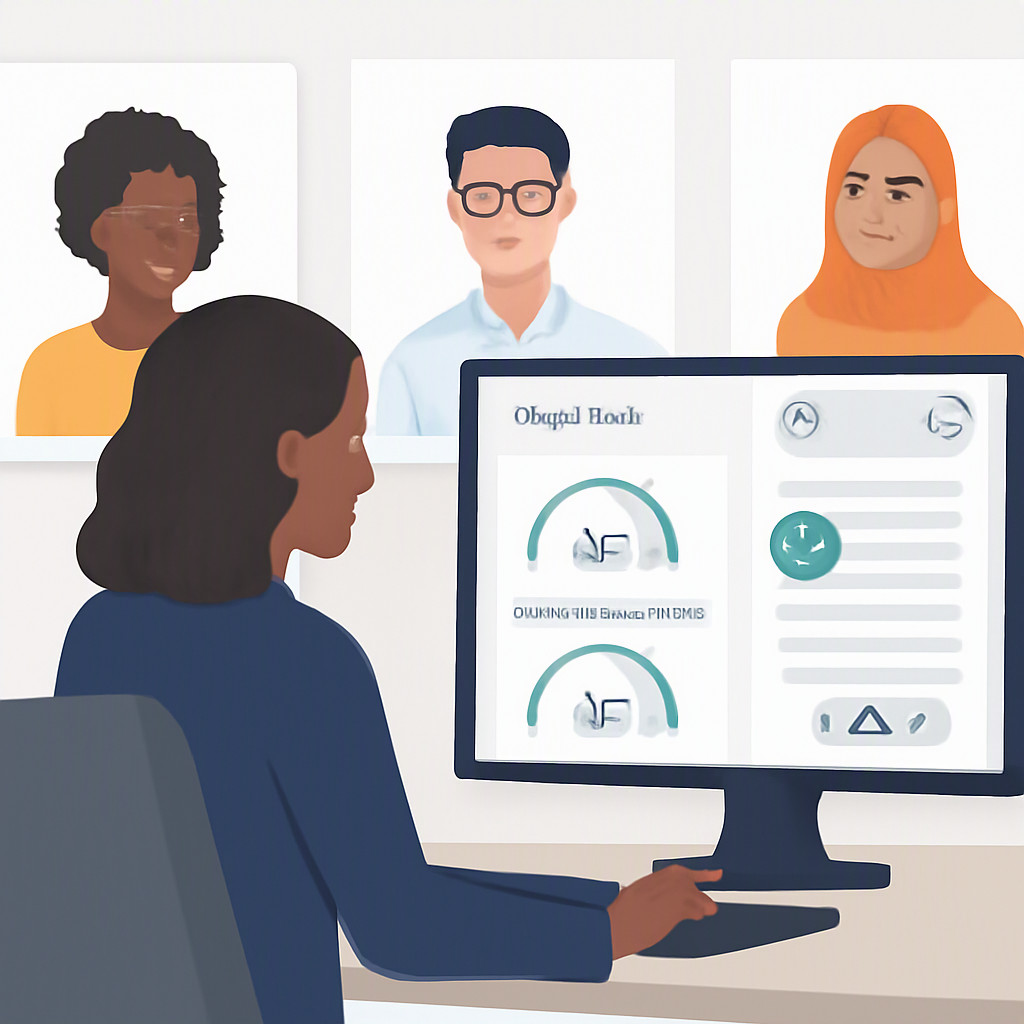
With TalentNext’s bulk upload feature, you don’t need to open each one. Just upload them all at once. The AI will:
- Score each resume based on how well the candidate matches the job description.
- Highlight top candidates so you can focus your time on them.
- Provide a detailed scorecard for each candidate, showing strengths and gaps.
This isn’t just about speed (though it’s a game-changer for that). It’s also about consistency. Every resume gets evaluated against the same criteria, removing unconscious bias and human error.
What About the Candidates?
You might be thinking: “Sure, this works for me as a recruiter, but what about the job seekers? Are they just getting ghosted?”
Fair question. That’s where AI-driven feedback comes in. Tools like TalentNext can provide candidates with actionable suggestions on how to improve their resumes. For example:
- “Add more details about your leadership experience.”
- “Consider including certifications relevant to data analysis.”
This levels the playing field. Candidates don’t just get a rejection—they get a roadmap for improvement.
The Obvious Objection: Can AI Replace Human Judgment?
Short answer: No, and it shouldn’t. AI is a tool, not a replacement for human intuition. Think of it like this: AI handles the grunt work—filtering, scoring, organizing—so you can focus on what you’re actually good at: connecting with people.
Still skeptical? Fair. But here’s some food for thought: Companies using AI in recruitment report a 35% faster time-to-hire and a 50% reduction in cost-per-hire (LinkedIn Talent Solutions). Those are hard numbers to ignore.
Final Thought: It’s Time to Work Smarter
The recruitment landscape is changing, and AI-powered tools are no longer optional. If you’re spending hours buried in resumes, it’s time to ask yourself: Could your time be better spent elsewhere?
We’ve seen firsthand how TalentNext can cut screening time by up to 75%. It’s not just about automation—it’s about freeing you up to focus on finding the right people, not just reviewing their paper trail.
Ready to stop wasting hours on manual screening? Try TalentNext and see how AI can actually make hiring easier.
Ready to see TalentNext in action?
AI-powered resume screening and recruitment platform that instantly analyzes and scores resumes to streamline hiring.
Get Started Free →