Resumes Are Overrated (Yeah, We Said It)
Let’s face it: resumes haven’t changed much in decades. Sure, they’re digital now, but the format is the same — bullet points, job titles, and some buzzwords crammed into one or two pages. But does a resume really tell you if someone’s the right fit for your team? Not even close.
Here’s the problem. A resume doesn’t show you how a candidate thinks, how they solve problems, or how well they’ll fit into your company’s culture. And let’s be real — plenty of people hire professional writers to polish their resumes. So what are you actually evaluating? Formatting skills?
The Future Is Contextual Scoring
This is where AI can change the game. Instead of just looking at keywords on a resume, we can now evaluate candidates against the actual job they’re applying for. It’s called contextual scoring. TalentNext, for example, uses an AI-powered scoring system that analyzes resumes and matches them to a specific job description. It doesn’t just count keywords — it looks at relevance, experience, and even gaps in skills.
Let me explain why this matters. Imagine you’re hiring for a data analyst role. One candidate lists "data visualization" and "SQL" on their resume, but their actual experience is limited to academic projects. Another candidate has real-world experience building dashboards for a fast-paced startup but doesn’t use the flashy buzzwords. Without contextual scoring, you might miss the better fit.
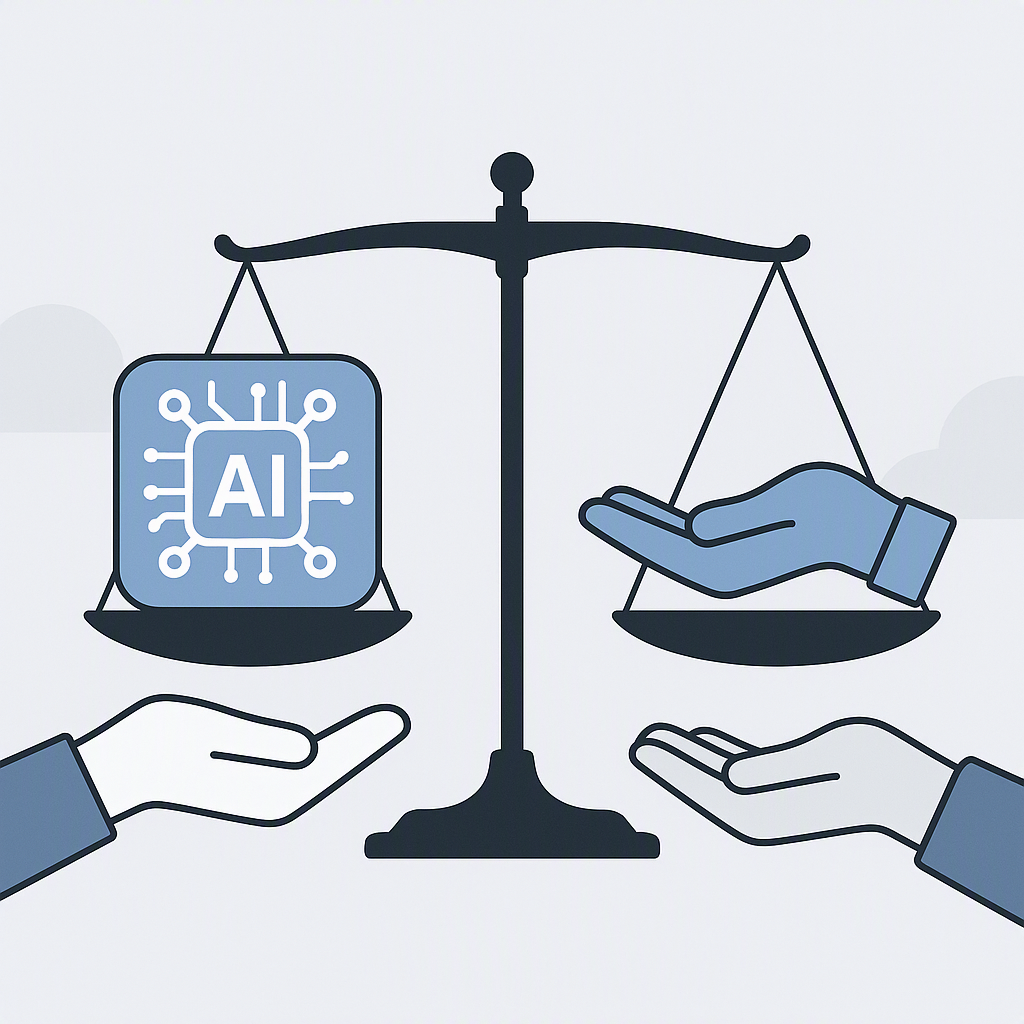
Doesn’t This Just Automate Bias?
You might be thinking, “Great, now we’re just automating bias.” Fair question. But here’s the thing: good AI systems, like the one we use at TalentNext, are trained to avoid common biases. They focus on job-specific factors, not irrelevant details like where someone went to college or how many years they’ve been in the workforce.
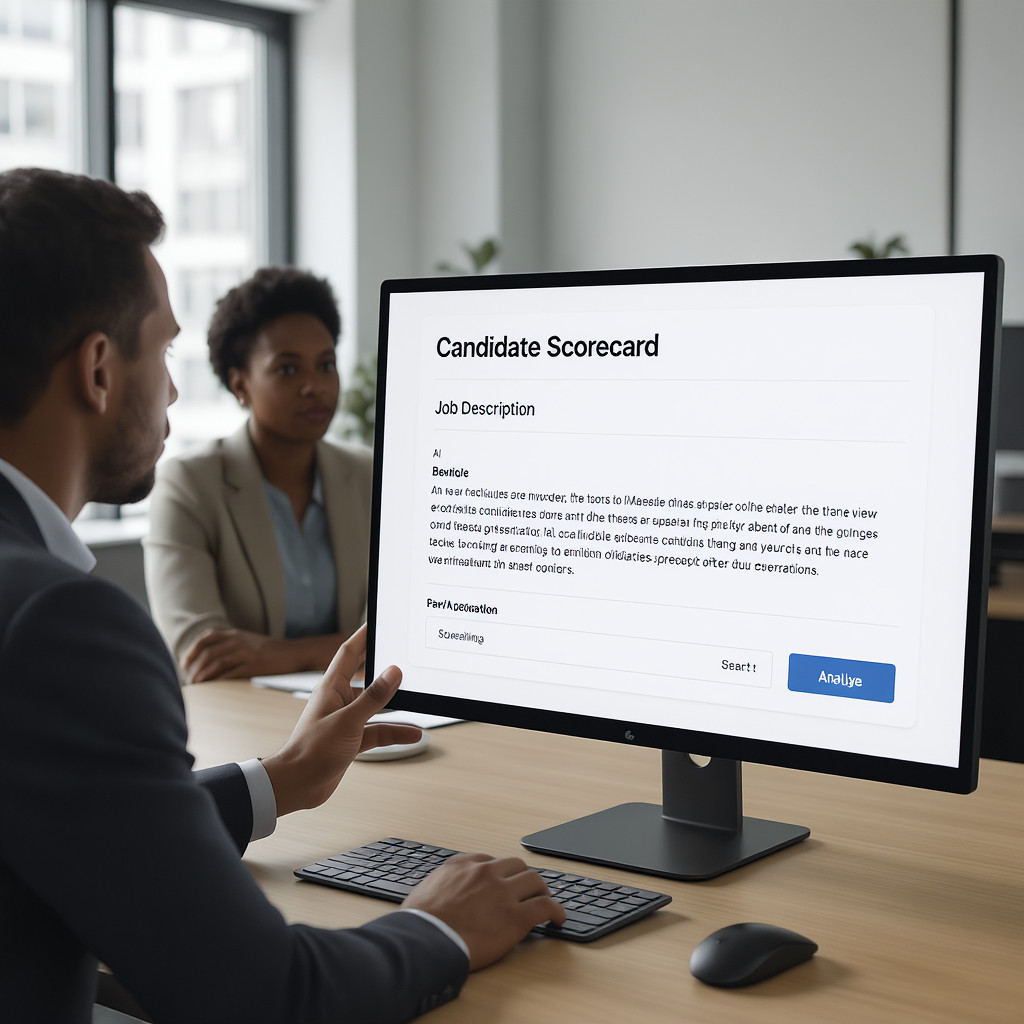
Plus, AI gives you transparency. TalentNext’s candidate scorecards break down exactly why a candidate got a certain score. That means you can double-check the system’s logic instead of blindly trusting gut instincts. (Let’s be honest, gut instincts aren’t always reliable.)
What About the Candidates?
Here’s an angle most people don’t think about: candidates benefit from this too. One of the coolest features we’ve built is AI-driven feedback for job seekers. They can upload their resume, and our system tells them how well it matches a job posting — and what they can improve.
Say a candidate is applying for a marketing manager role. The feedback might say, "Your resume doesn’t emphasize campaign management enough. Consider highlighting specific metrics, like ROI or conversion rates." That’s actionable advice. And it levels the playing field for people who might not have access to professional resume writers.
The Bottom Line
Resumes aren’t going away anytime soon, but they’re not enough on their own. If you want to find the best candidates — not just the ones with the flashiest resumes — you need tools that go deeper. Contextual scoring is the future of hiring, and it’s already here.
If you’re still relying on manual screening or gut instincts, it’s time to rethink your process. The right candidate might already be in your inbox, but you’ll never know if you don’t look beyond the resume.
Ready to see TalentNext in action?
AI-powered resume screening and recruitment platform that instantly analyzes and scores resumes to streamline hiring.
Get Started Free →