Recruiters Waste Too Much Time on Resumes
Let’s face it: manual resume screening is a productivity killer. According to a study by Ideal, recruiters spend an average of 23 hours reviewing resumes for just one hire. And how many of those resumes are actually worth your time? If your answer is “not many,” you’re not alone. Most hiring teams say 75% of applicants are unqualified for the roles they apply for (Glassdoor).
Here’s the problem: going through resumes manually means you’re stuck sorting through a pile of unqualified candidates just to find a handful of good ones. It’s slow, frustrating, and prone to bias. And when the average corporate job gets over 250 applications, it’s no wonder recruiters are burned out.
Why AI-First Platforms Are the Fix
AI-powered tools are stepping in to handle the grunt work. They don’t just speed things up—they do it better. Platforms like TalentNext use AI to analyze and score resumes in seconds. You upload a stack of resumes, and the system instantly ranks candidates based on how well they fit the job description.
Let me give you an example. Imagine you’re hiring a marketing manager. You upload your job description and 200 resumes to TalentNext. Instead of spending hours reading each one, the platform gives you a ranked list of candidates with detailed scorecards. These scorecards show exactly how well each person matches the role based on skills, experience, and keywords. Now you’re spending your time on the top 10 candidates instead of sifting through the bottom 190.
Does It Actually Work?
You might be thinking: “Sure, it’s faster, but is it accurate?” Fair question. AI platforms aren’t perfect, but they’re shockingly good at eliminating unqualified candidates. Tools like this are trained on massive datasets, so they recognize patterns recruiters might miss. For example, they can highlight transferable skills from other industries or flag resumes that lack critical qualifications. According to SHRM, 96% of recruiters using AI report that it improves hiring efficiency.
And here’s the kicker: AI doesn’t get tired or biased. It doesn’t favor candidates with certain names or schools. It focuses purely on the data. This makes it a great way to reduce unconscious bias in hiring, which is still a huge issue for many companies (Harvard Business Review).
What About Edge Cases?
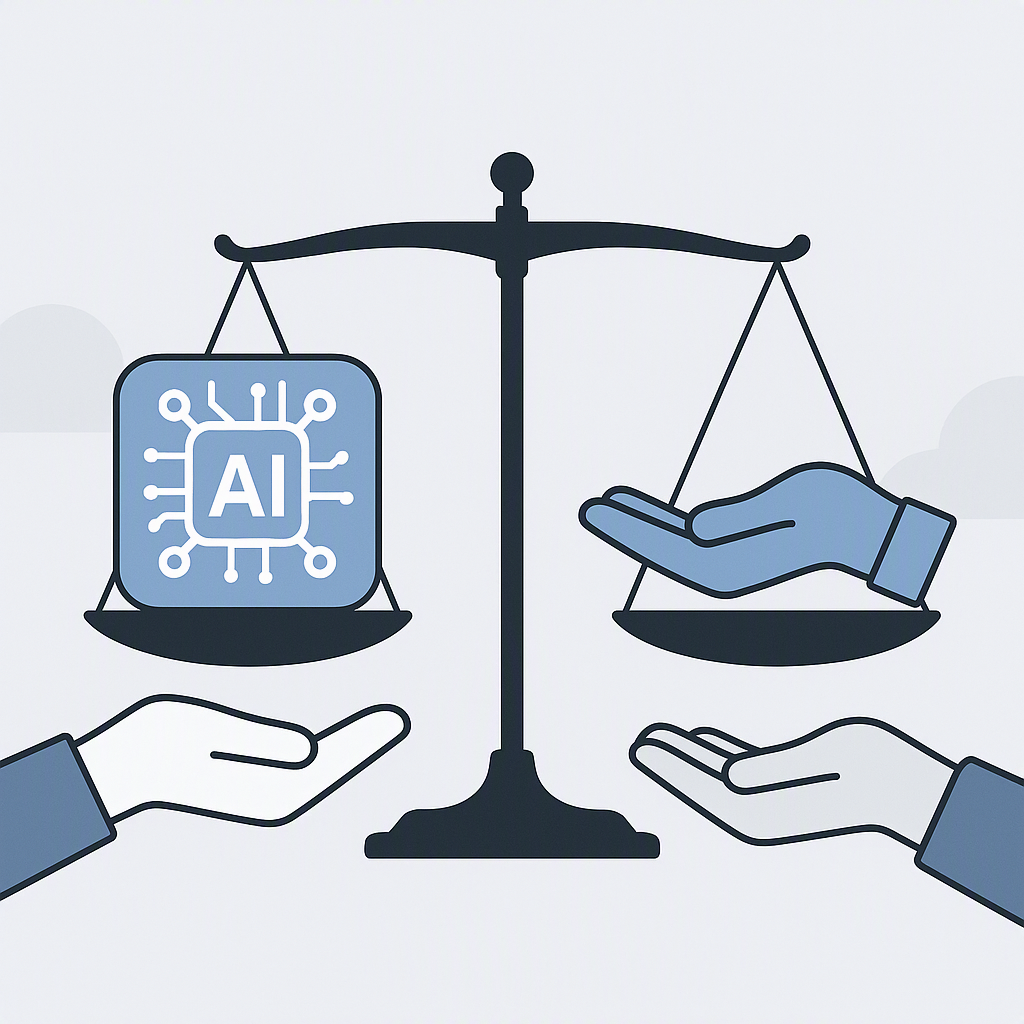
No system is foolproof. AI can struggle with highly creative roles where resumes don’t follow a traditional format. And it’s not great at assessing soft skills or cultural fit—those still require human judgment. But for high-volume roles or jobs with clear qualifications, it’s a game-changer.
Another common concern is that candidates might try to “game” the system by stuffing their resumes with keywords. Good AI platforms account for this by analyzing context, not just counting words. TalentNext, for example, uses advanced natural language processing (NLP) to understand phrases in resumes, not just spot keywords. It’s not perfect, but it’s miles ahead of traditional applicant tracking systems (ATS).
The Bottom Line
If you’re still screening resumes manually, you’re doing it the hard way. AI-first platforms like TalentNext aren’t just faster—they help you focus on the best candidates while cutting out the noise. It’s not about replacing recruiters; it’s about giving them the tools to do their jobs better.
Recruitment isn’t getting any easier. The job market is competitive, applicant pools are growing, and expectations are higher than ever. AI won’t solve every problem, but it will save you time and help you hire smarter. And isn’t that what we’re all aiming for?
Ready to see TalentNext in action?
AI-powered resume screening and recruitment platform that instantly analyzes and scores resumes to streamline hiring.
Get Started Free →