Recruitment Has Changed—But Are You Keeping Up?
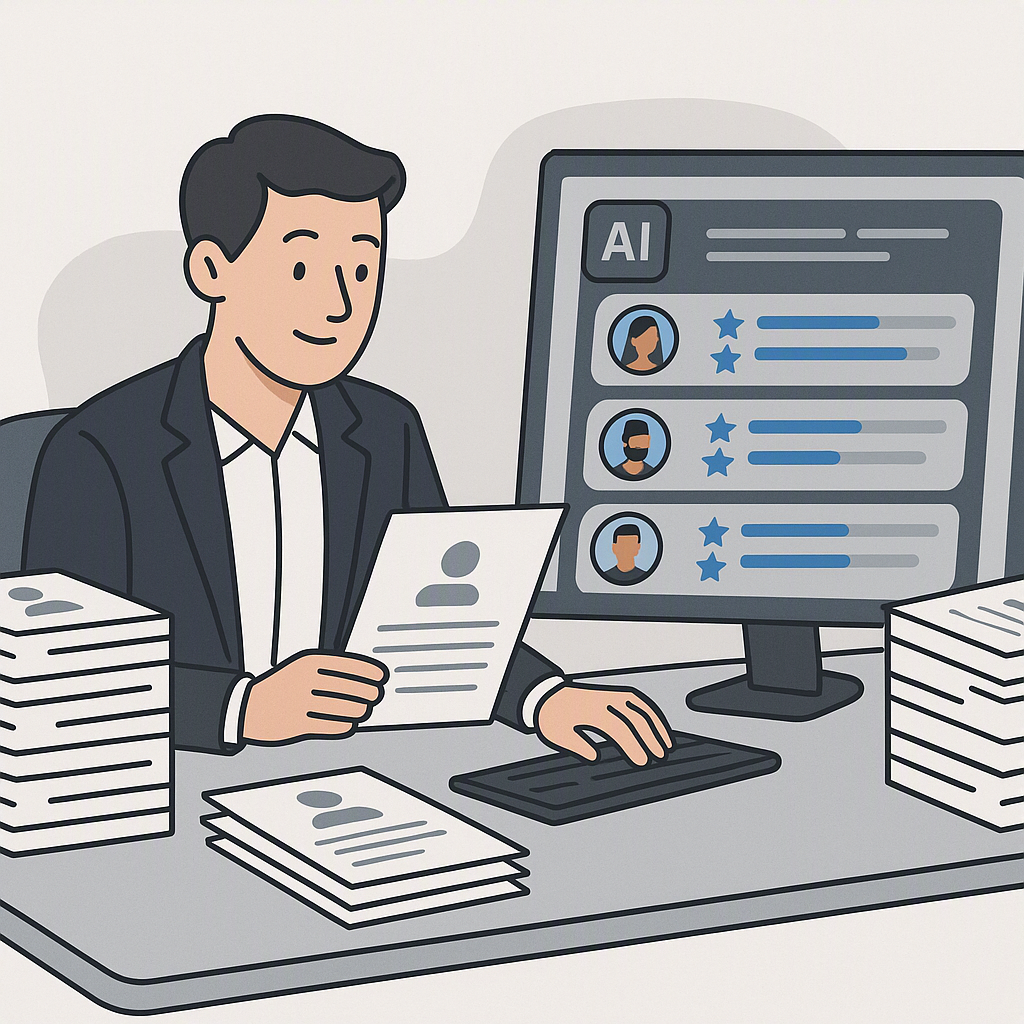
Recruitment isn’t what it used to be. A decade ago, you could post a job, skim through a few dozen resumes, and call it a day. Now? You post a marketing manager role, and within a week, 250 resumes flood your inbox. Half of them barely meet the minimum requirements, but you still have to sift through all of them because the right fit could be hiding somewhere in that pile.
Sound familiar? This is where AI tools like TalentNext come into play. They don’t replace recruiters—they just take the grunt work off your plate so you can focus on what actually matters: engaging with top candidates and making better hiring decisions. Let’s break down the 8 steps in the modern recruitment process and see how AI fits into each stage.
1. Identifying the Hiring Need
Every recruitment process starts with a problem: a vacant role or a skills gap. Before you even think about resumes, you need to define exactly what you’re looking for. What’s the job title? What skills are non-negotiable? What does success look like in this role?
Here’s where many recruiters slip up—they create vague job descriptions that attract unqualified candidates. Without a clear understanding of the role, you risk wasting time and resources reviewing irrelevant applications.
Here’s how to get it right:
- Draft a skills inventory: Identify the must-have skills, nice-to-have skills, and any specific tools or certifications required for the role.
- Align with stakeholders: Discuss the role’s purpose and expectations with team leads or hiring managers to ensure everyone’s on the same page.
- Use AI for refinement: Platforms like TalentNext allow you to upload existing job descriptions and refine them using AI suggestions. This ensures your postings are clear and targeted, helping you attract the right candidates from the start.
2. Creating a Job Description
A good job description balances specificity and inclusivity. Too generic, and you’ll attract everyone. Too niche, and you might scare off qualified candidates. It’s a delicate dance.
AI can analyze your job descriptions for inclusivity and ensure alignment with the skills you actually need. For example, if your posting for a “software engineer” focuses too heavily on outdated technologies, AI can suggest updates based on current industry trends. This small tweak can make a big difference in attracting the right talent.
Here’s a step-by-step approach:
- Be clear about responsibilities: Break down the day-to-day tasks into bullet points, prioritizing clarity over jargon.
- Avoid bias in language: Use tools like Textio or TalentNext to identify and replace gendered or exclusive terms.
- Include growth opportunities: Highlight career development potential to attract candidates eager to grow with your company.
- Focus on impact: Specify how the role contributes to the broader team or organization goals. Candidates want to know their work matters.
3. Sourcing Candidates
Gone are the days of relying solely on job boards. Today, sourcing is multi-channel: LinkedIn, professional networks, employee referrals, and yes, even AI-driven platforms.
Here’s how sourcing has evolved:
- Leverage LinkedIn: Use advanced search filters to narrow candidates by location, industry, and skills.
- Tap into employee referrals: Employee networks often yield high-quality candidates who align with company culture.
- Use AI for proactive sourcing: Platforms like TalentNext allow bulk resume uploads and automatically score candidates against your job description. For instance, instead of manually reviewing 250 resumes, you get a ranked shortlist of the top matches.
One best practice: Don’t limit yourself to active job seekers. AI tools can also help identify "passive candidates"—qualified individuals who aren’t actively applying but might be open to the right opportunity.
4. Screening Resumes
This is the most tedious part of recruitment. According to TalentNext’s own case studies, recruiters spend an average of 23 hours screening resumes for a single role. That’s almost three full workdays. Why are we still doing this manually?
AI-powered resume screening tools can slash this time by up to 75%. Here’s how it works:
- Keyword matching: The AI scans resumes for keywords, experience, and qualifications that align with your job description.
- Red flag detection: It flags potential issues, such as unexplained employment gaps or inconsistent job histories.
- Score-based ranking: Candidates are scored based on relevance, helping you prioritize the most promising ones.
However, remember that AI isn’t perfect. It may overlook unconventional candidates with unique skills. Always cross-check your shortlist to ensure you’re not missing hidden gems.
5. Conducting Initial Interviews
Once you’ve shortlisted candidates, the next step is to validate their skills and culture fit. While AI can’t replace human judgment here, it can help with logistical hurdles and preliminary assessments.
Here’s how AI can assist:
- Scheduling: Automate interview scheduling and reminders to save time.
- Pre-screening: Use video interview platforms to ask standardized questions. Some tools even analyze tone and word choice to assess confidence and communication skills.
- Data tracking: AI can track candidate responses and flag potential mismatches with your job requirements.
One caveat: AI tools aren’t great at assessing soft skills or cultural fit. These are areas where human intuition is still irreplaceable. Use AI for efficiency but rely on live interactions to gauge intangibles.
6. Skills Assessments
For roles requiring specific skills, assessments are a must. Whether it’s coding tests for developers or case studies for marketing professionals, these evaluations separate the contenders from the pretenders.
Here’s how to make assessments more effective:
- Use AI for analysis: Tools like TalentNext provide candidate scorecards that objectively quantify how well candidates performed on assessments.
- Standardize assessments: Use the same tests for all candidates to ensure fairness and comparability.
- Focus on relevance: Tailor assessments to reflect the actual work candidates will perform in the role. Avoid generic or overly complex tests that don’t match the job’s requirements.
7. Making the Offer
By this stage, you’ve identified your top candidate. But the job isn’t done yet. Crafting a competitive offer requires balancing the candidate’s expectations with your budget.
Here’s how AI can help:
- Market benchmarking: AI tools provide salary benchmarks based on location, industry, and role, ensuring your offer is competitive.
- Mitigating bias: Use data-driven insights to ensure offers are equitable across candidates with similar skills and experience.
- Personalization: AI can analyze a candidate’s profile to suggest perks or benefits they might value (e.g., remote work options, professional development funds).
8. Onboarding
A smooth onboarding experience sets the tone for a new hire’s tenure. While this step is often overlooked, it’s critical for retention.
Here’s how to streamline onboarding:
- Automate admin tasks: Use AI to handle document collection, compliance training, and benefits enrollment.
- Personalized training: Some AI platforms analyze a new hire’s role and skills to recommend tailored learning modules.
- Feedback loops: AI tools can collect real-time feedback during the onboarding process to identify and address pain points.
A good onboarding process not only equips new hires to succeed but also fosters early engagement, boosting retention rates.
Why AI Matters in Recruitment
You might be thinking, "This all sounds great, but does AI really live up to the hype?" In my experience, yes—and no.
AI isn’t a magic wand. It won’t make hiring the right person effortless. But it will make the process faster and reduce human error. A 2026 report by the Society for Human Resource Management (SHRM) found that companies using AI tools reduced their time-to-hire by an average of 40%, while improving the quality of their hires.
But AI isn’t flawless. It can’t replace human intuition, and it’s only as good as the data you feed it. That’s why I recommend using AI as an assistant, not a replacement.
Decision Framework: When to Use AI in Recruitment
| Recruitment Stage | AI Usefulness | Human Role |
|---|---|---|
| Identifying Hiring Needs | Moderate | High |
| Creating Job Descriptions | High | Medium |
| Sourcing Candidates | High | Low |
| Screening Resumes | High | Low |
| Initial Interviews | Moderate | High |
| Skills Assessments | High | Medium |
| Making the Offer | Moderate | High |
| Onboarding | High | Medium |
The Bottom Line
If you’re still spending hours screening resumes or struggling to find the right candidates in a sea of applications, it’s time to rethink your approach. AI tools like TalentNext aren’t just a luxury—they’re becoming a necessity in modern recruitment. Why waste time on admin tasks when you could be building relationships with top talent?
Ready to make hiring faster and smarter? Get started with TalentNext →