Colorado’s New AI Wage Law: A Wake-Up Call for Recruiters
Colorado just passed a groundbreaking law banning the use of AI surveillance data for wage-setting. It’s a bold move, and regardless of whether you agree with it, one thing is clear: recruiters need to adapt. This law, effective January 2026, aims to curb wage discrimination and ensure human oversight in compensation decisions.
But let’s be real—this isn’t just about Colorado. States like California and Illinois are already considering similar legislation. If you’re not thinking about compliance now, you’re playing with fire. Worse, you might be missing the bigger picture: AI tools are only as fair as their underlying data and algorithms.
This article breaks down what the law entails, why it matters, and how you can stay ahead of the curve.
What Does the Law Say?
The law prohibits employers from using AI-driven systems to:
- Set wages based on surveillance data like productivity metrics (e.g., keystrokes, call times).
- Make pay adjustments automatically without human review.
- Use historical data that could reinforce past biases, such as prior pay rates for specific demographics.
Violations carry hefty fines—up to $10,000 per incident. Repeat offenders face the real threat of lawsuits and regulatory scrutiny.
Key Takeaways:
- Transparency is mandatory: Employers using AI for wage-related decisions must disclose how it’s being used and prove it doesn’t perpetuate systemic biases.
- Human oversight is required: AI can assist in identifying patterns or trends, but the ultimate decision-making authority must lie with a human.
- Bias mitigation is non-negotiable: Employers must actively ensure that historical biases in their data don’t influence wage-setting decisions.
Example Case: Amazon’s Warehouse Productivity Issues
In 2021, Amazon came under fire for using AI to track warehouse worker productivity, leading to automated firings. While this wasn’t directly about wages, it’s a cautionary tale. Imagine if such systems began influencing pay rates; the potential for discrimination would be enormous. Colorado’s law is a preemptive measure to avoid this exact scenario.
The Risks of Ignoring This Law
Ignoring this law is a high-stakes gamble. Here’s why:
1. Legal Risks
Colorado’s penalties are no joke. For small and mid-sized businesses, a $10,000 fine per incident can quickly add up. And let’s not forget the ripple effects of a lawsuit—think legal fees, operational disruptions, and the PR nightmare.
Real-World Example: Uber’s Gender Pay Gap Settlement
Uber faced a $10 million settlement in 2019 for gender pay disparities. While this case didn’t involve AI, it highlights how costly wage-related lawsuits can be. Now imagine adding AI bias into the mix—your exposure grows exponentially.
2. Reputational Damage
Candidates are becoming increasingly wary of AI in hiring. A 2023 Pew Research study found that 67% of job seekers believe AI systems are biased. If your company faces allegations of wage discrimination linked to AI, your employer brand could take a massive hit.
3. Ethical Concerns
Even if you skirt legal repercussions, there’s still the ethical dimension. Wage discrimination is not just a compliance issue—it’s a fairness issue. Misuse of AI in wage-setting could erode trust in your organization, both internally and externally.
How TalentNext Helps You Navigate This
If you’re using AI in your hiring process, tools like TalentNext can help you stay compliant while maintaining efficiency and fairness.
TalentNext Features That Promote Ethical AI Usage:
-
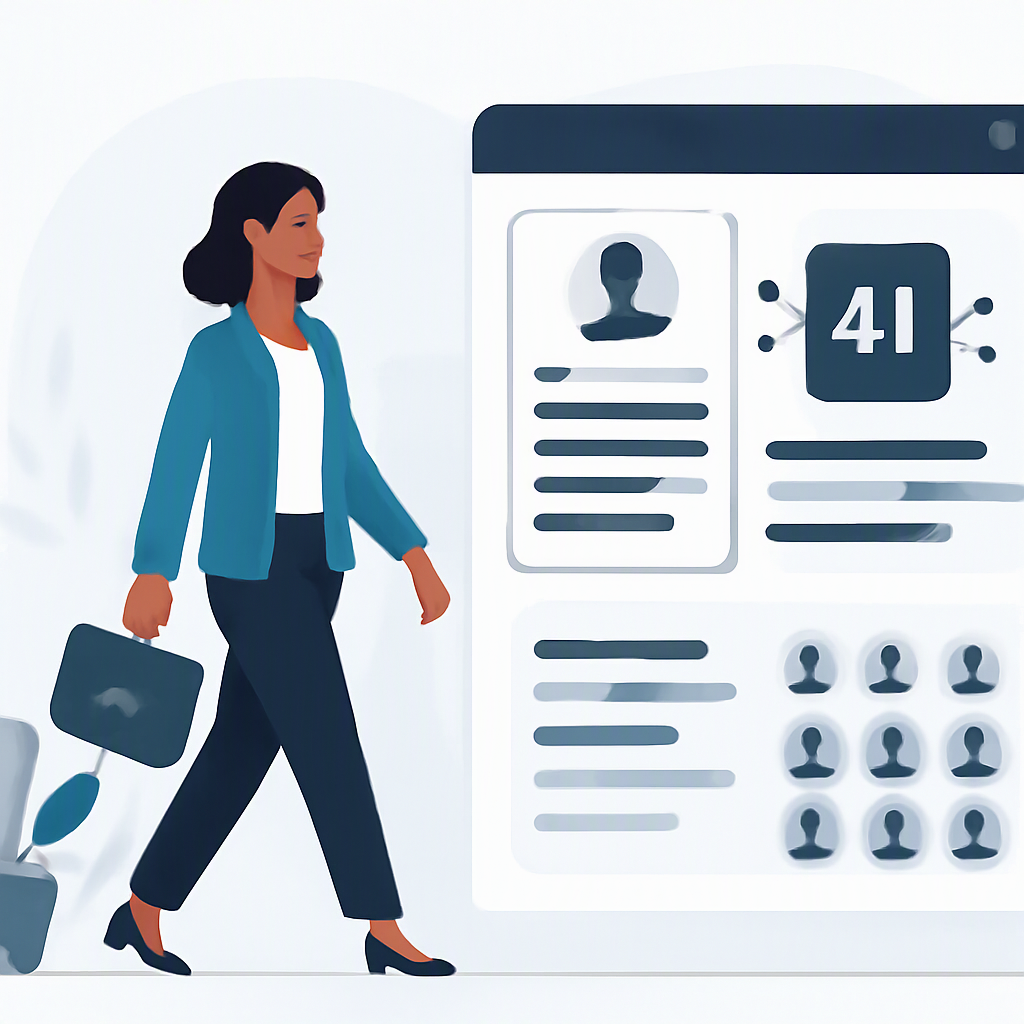
AI-Driven Feedback for Candidates TalentNext’s candidate scorecards assess job-match strength while providing actionable feedback. This transparency helps candidates understand how their resumes align with your job descriptions, reducing frustration and mistrust.
-
Human Oversight Built-In TalentNext ensures human oversight at all critical decision points. The system flags inconsistencies and trends but does not make autonomous decisions, keeping you compliant with Colorado’s new law.
-
Bias Reduction Tools The platform actively minimizes bias by anonymizing resumes and focusing on skills-based assessments rather than historical data that could perpetuate discrimination.
Case Study: Mid-Sized Tech Firm in Denver
A Denver-based tech company implemented TalentNext to revamp its hiring process. By anonymizing resumes and focusing on skills, they saw a 30% increase in diverse hires and avoided potential compliance risks under Colorado’s evolving legal landscape.
Practical Steps for Recruiters in Colorado (and Beyond)
Here’s how you can prepare for Colorado’s AI wage law and similar legislation likely coming to other states:
1. Audit Your AI Tools
- Identify all AI-driven systems currently used in hiring and compensation.
- Check if they analyze productivity data or historical wages.
- Evaluate whether these systems could inadvertently reinforce biases.
2. Integrate Human Oversight
- Ensure AI systems provide recommendations, not final decisions.
- Assign human managers to review and approve all AI-generated insights.
3. Invest in Training
- Train HR teams to interpret AI outputs responsibly.
- Conduct workshops on ethical AI practices and bias mitigation.
4. Communicate Transparently
- Inform candidates about how AI is used in your hiring process.
- Offer feedback to candidates, even if they’re not selected for a role.
5. Stay Proactive About Legislation
- Monitor legislative updates in other states.
- Adopt compliant practices now to avoid scrambling later.
Decision Framework for Compliance:
| Action | Priority | Impact |
|---|---|---|
| Audit AI tools | High | Identifies immediate compliance risks |
| Add human oversight | High | Reduces reliance on potentially biased AI |
| Train your team | Medium | Builds long-term ethical practices |
| Communicate with candidates | Medium | Boosts transparency and trust |
| Monitor legislation | Low, ongoing | Ensures preparedness for future laws |
What About the Bigger Picture?
Colorado’s law signals a broader reckoning with AI in hiring and HR processes. Tools like TalentNext can streamline operations, but they cannot replace judgment, empathy, and ethical decision-making. AI is only as good as the people and data behind it.
Moving Beyond Compliance
To build truly fair systems, you need to:
- Hire diverse teams that can identify blind spots in AI systems.
- Regularly audit your data sources for potential biases.
- Treat AI as a supplement, not a replacement, for human judgment.
Final Thoughts
Recruiters, this is your wake-up call. Colorado’s AI wage law is a chance to rethink how we use technology in hiring—not just for compliance, but to build better systems. If you’re feeling overwhelmed, tools like TalentNext can make the transition smoother. Get started free →.