Maternity Costs: The Elephant in the Room
Let’s not sugarcoat it: maternity is one of the biggest drivers of employer healthcare costs. According to a KFF report, maternity care accounts for a significant chunk of employer-sponsored health insurance expenses, driven by prenatal care, delivery, and postpartum needs. But here’s the twist—this isn’t just about medical expenses. It’s also tied to how employers approach hiring and workplace policies.
You might be thinking, "What does hiring have to do with maternity healthcare costs?" A lot, actually. When companies fail to hire or retain women because of bias—whether conscious or unconscious—it creates a ripple effect. Employers lose out on high-performing talent, and turnover costs skyrocket. Add to this the risk of legal penalties under regulations like the Pregnant Workers Fairness Act (PWFA), and it’s clear: maternity-related discrimination isn’t just unethical—it’s expensive.
The Hidden Cost of Bias in Hiring
Here’s a typical scenario: A recruiter is comparing two candidates for a project management role. Candidate A has 10 years of experience but took a one-year maternity leave. Candidate B has 9 years of experience with no gaps but lacks certifications. The recruiter, consciously or not, might favor Candidate B, assuming they’re "more reliable."
This happens more often than you’d think. A 2026 TalentNext article explains how manual screening allows bias to creep in, leading to decisions that penalize candidates for life events like maternity leave. The result? Employers miss out on top-tier talent while fostering a workplace culture that subtly discourages diversity.
Case Study: The Cost of Bias
Consider a midsize tech company that recently faced high turnover rates among women in senior roles. An internal audit revealed that hiring managers were unconsciously penalizing candidates who disclosed maternity gaps. Over two years, the company spent $1.2 million on recruitment and training costs to replace the departing talent. Worse, the loss of institutional knowledge disrupted project timelines, costing an additional $500,000 in delayed deliverables.
Beyond the ethical implications, the financial fallout of such bias is staggering. High turnover and rehiring costs often outweigh the perceived "risk" of hiring someone with a maternity gap. According to SHRM, replacing an employee can cost up to 150% of their annual salary. Ouch.
How AI Levels the Playing Field
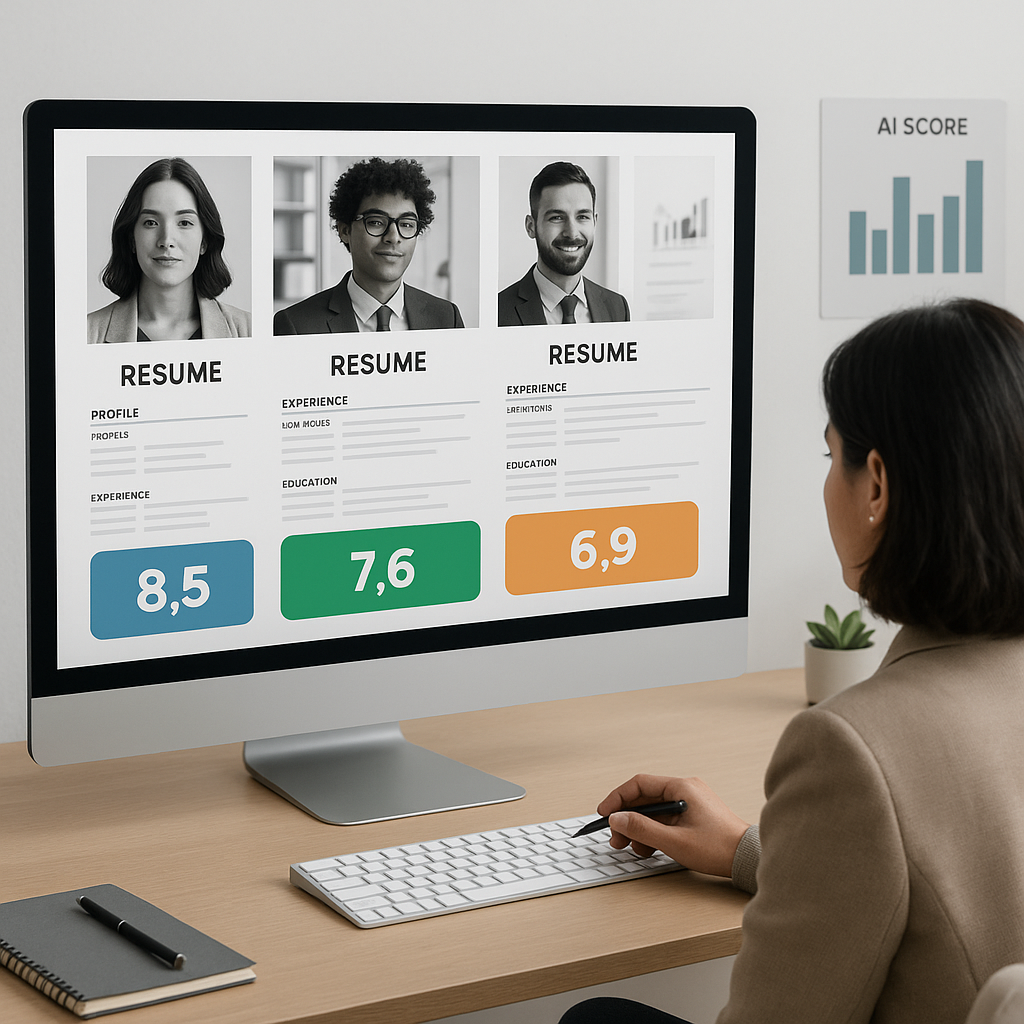
This is where AI tools like TalentNext come into play. One of TalentNext’s standout features is its AI-powered resume scoring system. Instead of letting personal biases influence hiring decisions, the AI evaluates candidates based solely on job-fit metrics. Let’s revisit the earlier example:
- Candidate A’s maternity gap doesn’t affect their score.
- The AI focuses on their certifications, skills, and experience relative to the job description.
Actionable Steps for Employers
- Adopt AI-Powered Screening Tools: Invest in platforms like TalentNext that prioritize unbiased scoring.
- Train Recruiters to Identify Bias: AI can help level the playing field, but it’s equally important to provide bias-awareness training for hiring teams.
- Audit Hiring Practices Regularly: Use AI analytics to track hiring trends and identify discrepancies in how candidates are evaluated.
TalentNext’s unbiased scoring might rank Candidate A higher, recognizing their technical qualifications as more valuable. This doesn’t just help recruiters make fairer decisions—it also ensures the best candidate gets hired, maternity leave or not. It’s bias prevention in action.
Maternity Costs, Retention, and AI’s Role
Reducing maternity healthcare costs isn’t just about hiring. It’s about retention. Women who feel supported in the workplace are less likely to leave, and AI can play a role here too. For example:
-
Job Matching for Flexibility: AI tools can optimize job postings to attract candidates who need flexibility, like working parents. This ensures your roles are marketed to the right audience without excluding top talent.
-
Accommodation Insights: Under the PWFA, employers must provide reasonable accommodations for pregnancy-related needs. AI tools like TalentNext simplify this by flagging accommodation requests separately while still scoring candidates fairly.
-
Predictive Analytics for Retention: AI can analyze patterns in employee turnover. For example, if women are leaving your company at higher rates post-maternity, AI can identify key drivers—be it lack of flexible policies, insufficient parental leave, or poor managerial support. Armed with this data, HR teams can implement targeted interventions.
Real-World Example
A Fortune 500 retailer used AI analytics to assess why their retention rates among women were dropping. The insights revealed that women in regional management positions were leaving due to inflexible schedules. By implementing AI-driven scheduling tools and expanding remote work options, the company reduced turnover by 35% within a year.
The Legal (and Financial) Risks of Getting This Wrong
If fairness and retention aren’t enough to convince you, consider the legal stakes. The PWFA and EEOC guidelines explicitly prohibit discrimination based on pregnancy or related conditions. Violating these regulations can result in hefty fines and lawsuits.
Case Study: Legal Penalties
In 2023, a major retailer paid $8.75 million to settle a pregnancy discrimination lawsuit. The EEOC found that managers were consistently bypassing qualified candidates who disclosed pregnancy or related health conditions. The company not only faced financial penalties but also reputational damage, leading to a 12% drop in customer trust scores.
Could your company absorb a hit like that? Probably not. AI tools help mitigate this risk by ensuring compliance. TalentNext, for instance, keeps hiring decisions focused on qualifications, reducing the likelihood of discriminatory practices.
What’s Next? Start Fixing the Problem
Employers who want to reduce maternity-related costs need to start upstream. Hiring practices, workplace policies, and healthcare offerings all play a role. And while AI isn’t a magic bullet, it’s a powerful tool to address bias, improve retention, and manage costs.
Action Plan
- Evaluate Current Policies: Assess whether your maternity-related benefits and hiring practices align with PWFA guidelines.
- Leverage AI Analytics: Track hiring trends and maternity-related retention metrics to identify areas for improvement.
- Foster a Supportive Culture: Implement flexible scheduling, robust parental leave options, and manager training to build a workplace that retains talent.
If you’re still relying on manual resume screening or outdated hiring processes, you’re leaving money on the table. Worse, you’re introducing risk. It’s time to rethink how you hire and support your workforce.
Comparison Table: Manual Screening vs. AI-Powered Screening
| Factor | Manual Screening | AI-Powered Screening |
|---|---|---|
| Bias Risk | High | Low |
| Cost of Rehiring | Up to 150% of annual salary | Reduced turnover saves costs |
| Compliance with PWFA | Dependent on recruiter | Automated, consistent |
| Candidate Evaluation Time | Hours | Minutes |
| Scalability | Limited | Easily scalable |
If you’re ready to reduce bias, improve hiring decisions, and save on healthcare costs, TalentNext can help. Get started here →