The Layoff Wave: What's Really Happening?
In 2023 alone, over 220,000 tech workers lost their jobs, according to Layoffs.fyi. That’s not just a blip. It’s a trend. While some blame overhiring during the pandemic, another factor is quietly reshaping the hiring landscape: automation, especially AI.
Companies are under pressure to cut costs. Replacing manual workflows with AI tools is a no-brainer for many. But here’s the catch: automation doesn’t just eliminate inefficiencies; it also eliminates jobs. In recruitment, this is especially visible in resume screening and candidate evaluation.
Are AI tools to blame for layoffs? Not entirely. But they’re undeniably driving a shift in how hiring teams operate — and who gets hired.
Why AI Is Reshaping Recruitment
Recruitment workflows used to be labor-intensive. Screening hundreds (or thousands) of resumes manually? Brutal. But now, AI-powered platforms like TalentNext analyze and score resumes in seconds. This cuts screening time by up to 75%, according to SHRM. That’s huge for efficiency — but it also means smaller HR teams can handle the same workload.
A Concrete Example
Let’s say a mid-sized company receives 10,000 applications per year. Before AI, they might have needed a team of five recruiters each spending hours manually reviewing resumes. Now, with TalentNext or a similar tool, they may only need two recruiters to oversee the same volume of applications. That’s a 60% reduction in labor costs for recruitment.
Case Study: Netflix’s Hiring Transformation
Netflix famously optimized its hiring process by integrating AI tools to handle initial resume filtering and pre-screening. According to HBR, this allowed their HR team to focus on interviewing and assessing cultural fit rather than spending time on mundane tasks. The result? A leaner HR department with higher-quality hires.
But it’s not all rosy. While automation cuts recruiter roles, it also creates opportunities to focus on higher-value tasks. Building relationships with candidates, improving employer branding, and refining job descriptions — these things still need humans.
Actionable Steps for Recruiters:
- Learn the Tools: Familiarize yourself with platforms like TalentNext or Workday. Most offer tutorials or certifications.
- Focus on Strategy: Spend less time on admin tasks and more on areas like diversity hiring and candidate experience.
- Monitor Metrics: Track how AI impacts your time-to-hire and quality-of-hire metrics to ensure it’s delivering value.
The Candidate's Perspective: AI Isn’t Always Kind
For job seekers, the rise of AI-driven hiring can feel like another hurdle. Did you know that 75% of resumes are rejected by automated systems before a human ever sees them? Jobscan reports this staggering figure. If your resume doesn’t match the job description closely enough, you’re out of luck.
Why ATS Systems Reject Resumes
Applicant tracking systems (ATS), a core feature of AI hiring tools, often screen based on keyword matching. If you’re applying for a software engineering role and your resume doesn’t include keywords like “Python,” “Agile development,” or “CI/CD,” you may not pass the initial screening.
A Real-Life Example
Imagine a candidate with 10 years of software development experience. They’ve worked in agile environments but never explicitly used the words “Agile methodology” on their resume. An ATS might reject them outright, even though they’re highly qualified. This is why tailoring your resume is critical.
Tools to Level the Playing Field
Platforms like Jobscan and TalentNext now offer candidate feedback features. These tools analyze your resume against a job description and provide actionable suggestions. For example, TalentNext might recommend adding specific keywords or reformatting sections for clarity. These small tweaks can significantly improve your chances of getting past the AI gatekeepers.
Actionable Steps for Job Seekers:
- Tailor Every Resume: Use tools like Jobscan to match your resume to each job description.
- Focus on Keywords: Identify the most relevant skills and phrases in the job posting and incorporate them naturally.
- Avoid Fancy Formatting: Stick to simple layouts that ATS tools can easily parse.
What This Means for Recruiters
So, where does this leave HR professionals? Frankly, it’s a mixed bag. On one hand, automation frees you from the grind of manual screening. On the other hand, it forces you to adapt.
Challenges of AI in Recruitment
- Bias in Algorithms: AI can unintentionally favor certain demographics. For example, Amazon scrapped its AI hiring tool in 2018 because it discriminated against women. Reuters reported this.
- Over-reliance on Scoring: A high resume match score doesn’t guarantee a good hire. Soft skills and cultural fit still matter, but AI can’t measure them.
- Complex Roles: AI struggles with nuanced positions requiring interdisciplinary skills.
Opportunities for HR Professionals
While AI might reduce the need for manual resume screening, it creates room to focus on:
- Proactive Recruitment: Building talent pipelines rather than reacting to openings.
- Candidate Experience: Streamlining interviews and onboarding.
- Employer Branding: Highlighting company culture to attract top talent.
Actionable Steps for HR Teams:
- Audit Your AI Tools: Regularly review the performance and fairness of AI systems.
- Upskill Your Team: Offer training on AI tools and data-driven hiring strategies.
- Keep a Human Touch: Ensure candidates interact with people at critical touchpoints.
Decision Framework: When to Use AI in Recruitment
| Scenario | AI-Driven Solution | Human-Driven Solution |
|---|---|---|
| Screening large volumes of resumes | Use ATS tools like TalentNext | Not practical or efficient |
| Assessing cultural fit | Limited by AI’s capabilities | Requires human judgment |
| High-volume, repetitive tasks | Automate with AI tools | Not cost-effective |
| Complex or niche roles | Use AI as a starting filter | Human expertise is essential |
| Improving candidate experience | Automate scheduling and notifications | Personalize follow-ups where possible |
The Bigger Picture: AI’s Role in Layoffs
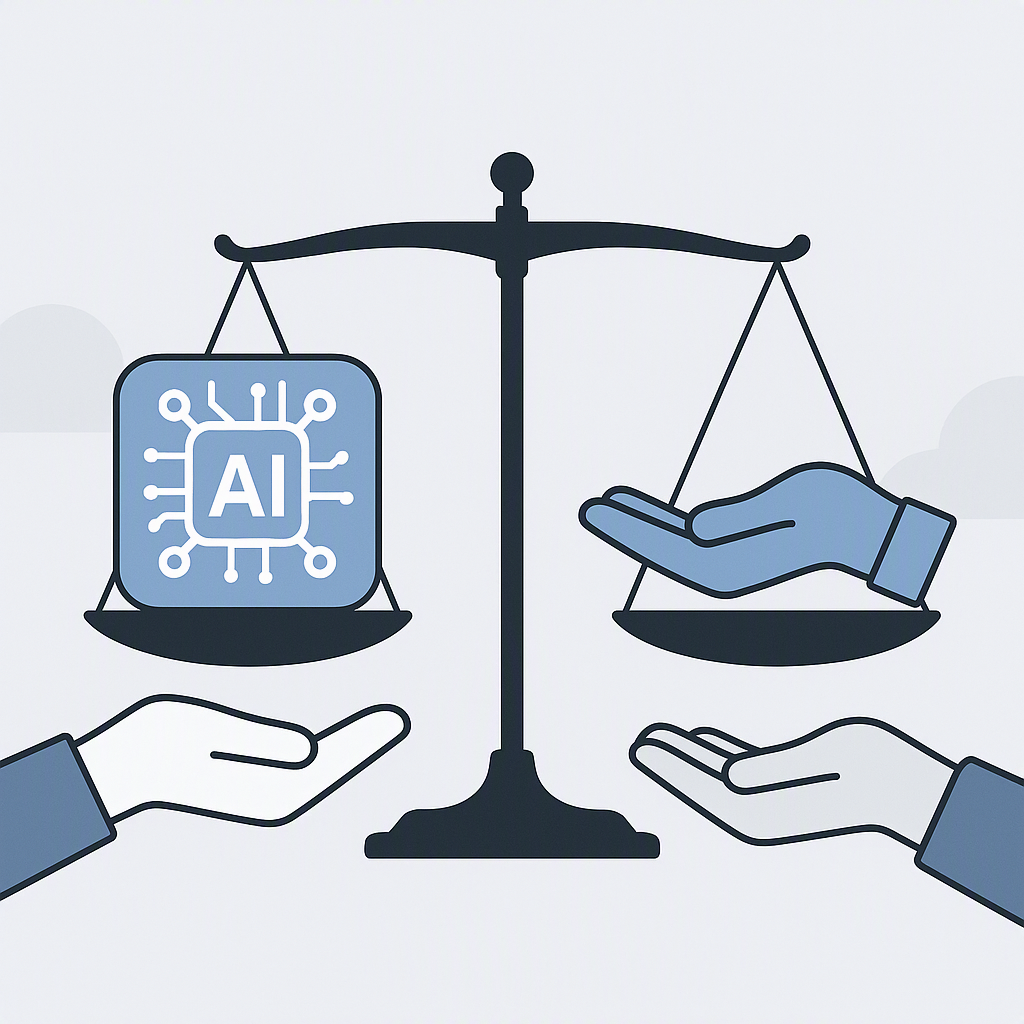
You might be wondering: will AI eventually replace recruiters altogether? Unlikely. AI is great at processing data, but it lacks emotional intelligence. It can’t build trust with candidates or negotiate offers. Those are things people do best.
However, the rise of AI means recruiters need to upskill. Understanding tools like TalentNext isn’t optional; it’s essential. If you can’t work with AI, you risk becoming obsolete.
Practical Takeaways:
- For Recruiters: Use AI to save time, not replace judgment. Focus on tasks that AI can’t do, like candidate engagement.
- For Job Seekers: Tailor your resume for AI screening tools. Use platforms like TalentNext to get feedback and improve.
- For Companies: Don’t over-rely on automation. Balance efficiency with a human touch to avoid costly hiring mistakes.
FAQ
Q: Will AI replace all recruiter jobs? A: No. AI automates repetitive tasks, but recruiters are still essential for relationship-building and decision-making.
Q: How can job seekers improve their chances with AI-driven tools? A: Tailor your resume to match job descriptions. Use platforms like TalentNext for feedback on optimizing your application.
Q: What’s the biggest downside of AI in hiring? A: Bias. If not monitored, AI systems can reinforce discrimination based on gender, race, or other factors.
Q: Does AI guarantee better hires? A: Not always. AI is great for narrowing options, but human judgment is still critical for final decisions.
Q: How do I know if my company is ready for AI in recruitment? A: Start by assessing your recruitment pain points. If high-volume applications or time-to-hire is a challenge, AI can help streamline these processes.
The Bottom Line
AI is reshaping recruitment workflows, and layoffs are a natural (though painful) consequence of this shift. But it’s not all bad news. By embracing tools like TalentNext, recruiters can stay ahead of the curve — and job seekers can level the playing field.
If your hiring process feels stuck in the past, TalentNext can help. Get started free →