Only 1 in 10 Job Seekers Trust AI Interviews — Here’s Why That’s a Problem
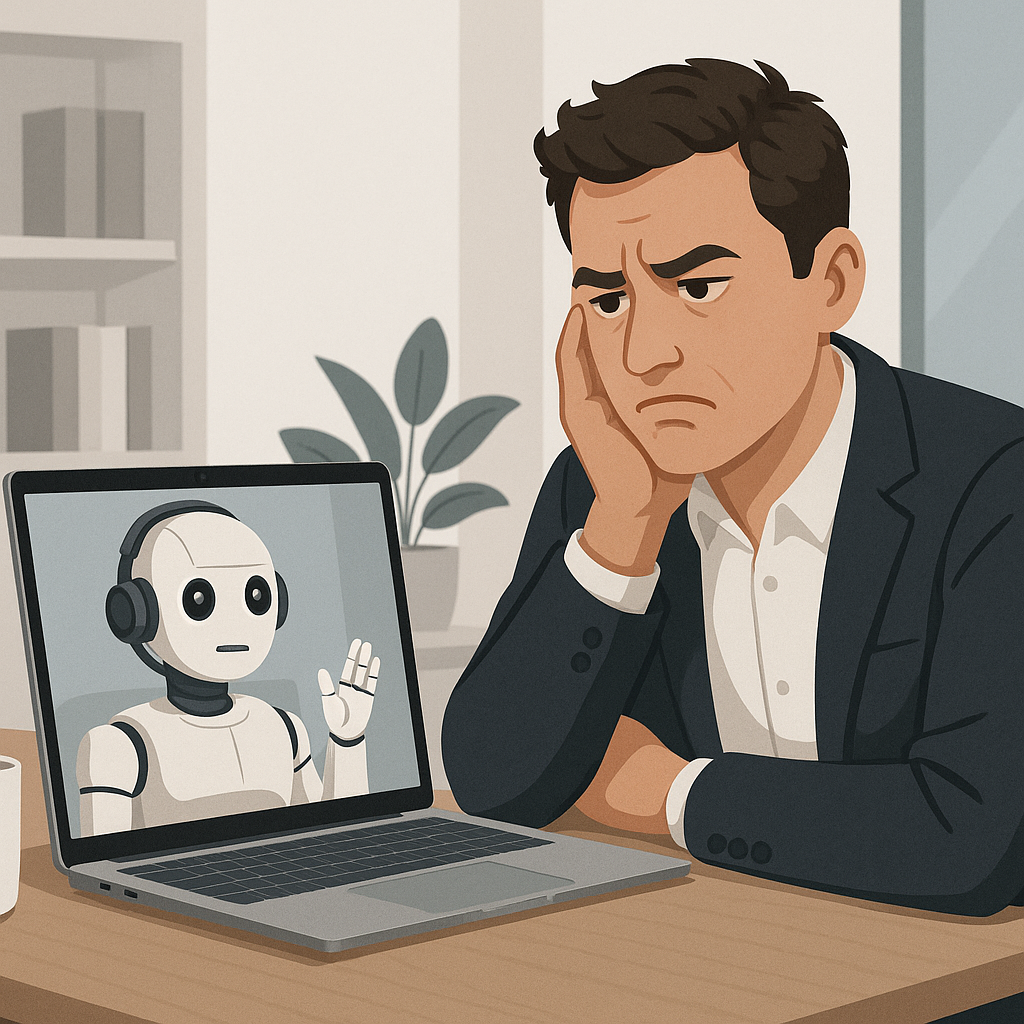
Imagine this: you’re a job seeker. You’ve spent hours fine-tuning your resume, researching the company, and prepping for the interview. Then you get this email: “Your next step is an AI interview. Please record your responses to these questions.”
How would you feel? Excited? Or nervous and skeptical?
If you’re like most people, it’s the second one. A recent study revealed that only 1 in 10 job seekers are comfortable with AI-driven interviews. That’s a pretty dismal stat for a technology that’s supposed to make hiring smarter and faster.
Why the hesitation? Let’s unpack it.
Fear of the Unknown
AI interviews feel cold. There’s no human connection, no body language to read, no real-time feedback. For candidates, this can feel like talking into a void. And many worry: How is this AI judging me? Am I being assessed fairly?
They’re not wrong to wonder. AI hiring tools have been criticized for bias in the past. Remember when Amazon scrapped its AI recruiting tool because it penalized resumes with the word “women”? Reuters reported on that disaster, and it left a lasting stain on the reputation of AI in hiring.
But it’s not just Amazon. A study by the National Bureau of Economic Research found that even well-intentioned AI systems often replicate the biases present in their training data. For example, an AI tool trained on historically male-dominated industries could unintentionally prioritize male candidates over equally qualified women.
Actionable Steps to Address "Fear of the Unknown"
- Demystify the Process: Employers and technology providers need to explain how the AI evaluates candidates. For example, is it analyzing speech patterns, specific keywords, or facial expressions? Transparency is a simple but effective way to ease concerns.
- Audit the Algorithms: Regularly test AI systems for bias. Partner with third-party organizations to ensure your tools are not perpetuating unfair hiring practices.
- Provide Human Oversight: Always have human recruiters review AI decisions, especially when rejecting candidates. This ensures fairness and builds trust.
Lack of Feedback Is Killing Trust
Here’s another issue: candidates often have no idea how they’re being scored. Did they talk too fast? Use the wrong words? Was their tone off? Without transparency, they’re left guessing. And let’s be honest, guessing doesn’t build trust.
This is where tools like TalentNext’s AI-driven feedback feature can make a difference. Unlike traditional AI interviews, TalentNext provides candidates with specific, actionable feedback. For example, it might suggest rephrasing long sentences, improving keyword alignment with the job description, or even adjusting formatting for clarity. This kind of insight doesn’t just help candidates—it shows them the process is fair and based on real criteria.
Case Study: Feedback in Action
Consider a recent pilot program by a mid-sized tech firm. They implemented TalentNext’s feedback feature during their hiring process. Candidates received detailed feedback after each AI screening round, including:
- Suggestions to improve word choice, such as using more action-oriented verbs.
- Recommendations on pacing and tone during video responses.
- Insights into how their skills aligned with the job description.
The result? Candidate satisfaction scores jumped by 40%, and the drop-off rate between interview stages fell by 25%. Transparency doesn’t just build trust—it improves outcomes for everyone.
How Recruiters Can Build Feedback Loops
- Invest in Tools with Feedback Features: Platforms like TalentNext provide real-time insights to candidates, helping them improve and feel more confident.
- Communicate Scoring Criteria: Before the interview, share how candidates will be evaluated. For instance, let them know if the AI focuses on speech clarity or word choice.
- Follow Up with Personalized Feedback: After the AI screening, send candidates a custom report detailing their strengths and areas for improvement.
What It Means for Recruiters
If job seekers aren’t comfortable with AI, recruiters pay the price. How? By losing out on great candidates who drop out of the process. Imagine convincing a top-tier engineer to apply, only for them to bail at the AI interview stage because it feels impersonal.
Real-World Data: The Cost of Candidate Drop-Offs
According to a LinkedIn report, 83% of candidates say a poor interview experience would make them less likely to accept a job offer—even if the role is otherwise appealing. If your AI process feels confusing, impersonal, or unfair, you’re not just losing candidates; you’re damaging your employer brand.
A Hybrid Approach That Works
Start by using AI where it adds the most value—like resume screening. For example, TalentNext’s AI-powered resume analysis can process hundreds of applications in minutes, scoring them against the job description. It flags the top matches so you spend less time on unqualified candidates and more time engaging the right ones.
Then, when it comes to interviews, blend AI insights with human judgment. Use AI to generate candidate scorecards, highlighting areas to explore during live interviews. This ensures you’re entering conversations with valuable data without sacrificing the personal touch.
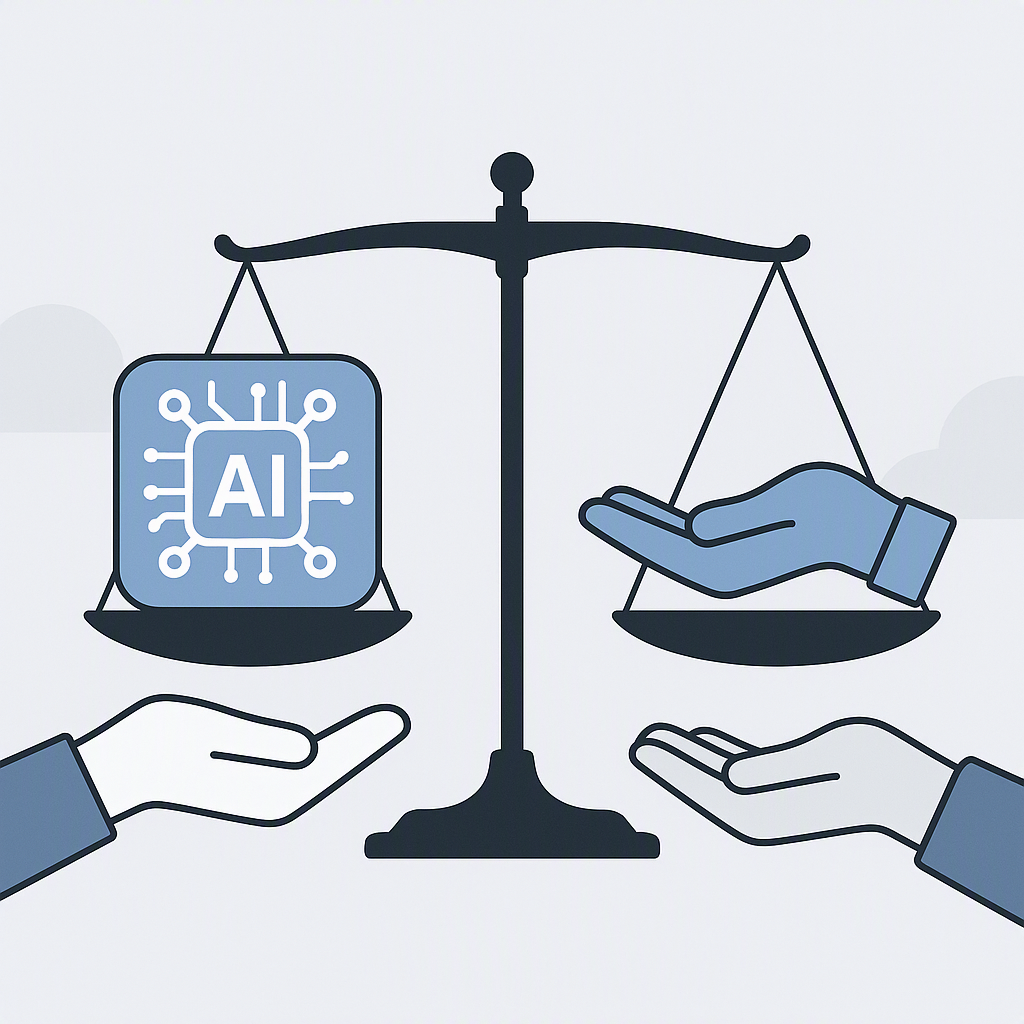
The Balance Between Efficiency and Experience
AI’s biggest selling point is speed. It can cut screening time by 75%, which is a huge win for recruiters. But speed means nothing if it comes at the expense of candidate experience.
Comparison Table: AI vs. Human Interviews
| Feature | AI Interviews | Human Interviews |
|---|---|---|
| Speed | Processes thousands of applicants in minutes | Requires scheduling and manual review |
| Consistency | Applies the same criteria to every candidate | May vary based on interviewer bias |
| Candidate Experience | Often feels impersonal | Builds rapport and trust |
| Feedback | Automated but can lack depth | Immediate and nuanced |
Best Practice: Combine Both
- Use AI for initial resume screening and to generate data-driven insights.
- Conduct human-led interviews for final rounds, where personal connection matters most.
What Needs to Change
AI interviews aren’t the problem. The way we’re using them is. To increase adoption, we need to:
- Be Transparent: Show candidates how AI is evaluating them. Share the criteria upfront.
- Provide Feedback: Use tools like TalentNext to give actionable advice that helps candidates improve.
- Blend AI and Human Touch: Automate where it makes sense but keep human interactions where trust is critical.
- Educate Candidates: Most job seekers don’t understand AI hiring tools. Offer resources to explain the process and address concerns.
FAQs
Q: How can AI interviews be made more candidate-friendly? A: Transparency and feedback are key. Explain how the AI works, and provide candidates with insights into their performance. For example, TalentNext offers detailed reports after each stage.
Q: Are AI hiring tools biased? A: They can be if not properly trained. That’s why it’s crucial to use tools like TalentNext, which prioritize fairness and accuracy. Regular audits of AI algorithms are also essential.
Q: What’s the biggest advantage of AI in recruitment? A: Efficiency. TalentNext, for example, cuts resume screening time by up to 75%, freeing up recruiters to focus on top talent.
Q: Should AI replace human interviews entirely? A: No. AI is best used as a complement to human judgment, not a replacement. Use AI for tasks like resume screening and candidate scoring, but keep interviews human when rapport and trust matter most.
Q: How do candidates feel about AI-driven feedback? A: When done right, candidates appreciate it. Detailed, actionable feedback—like what TalentNext provides—boosts confidence and improves the experience.
AI in recruitment isn’t going away—it’s evolving. But for it to work, we need to bridge the gap between what the tech can do and what job seekers trust. That starts with smart tools and smarter strategies.
If you’re dealing with slow hiring processes or candidate drop-offs, TalentNext can help. Get started free →