Tired of Spending Hours on Resumes? You’re Not Alone.
Let’s be honest: manual resume screening is a slog. For every job posting, recruiters sift through hundreds of resumes—most of which aren’t even close to being a match. According to SHRM, recruiters spend an average of 23 hours reviewing resumes for a single hire. That’s over half your workweek gone. Not ideal.
But here’s the kicker: it doesn’t have to be this way. AI-powered recruitment tools, like TalentNext, are designed to tackle this bottleneck head-on. And they work. Let’s break it down.
How AI-Powered Resume Screening Works (In Plain English)
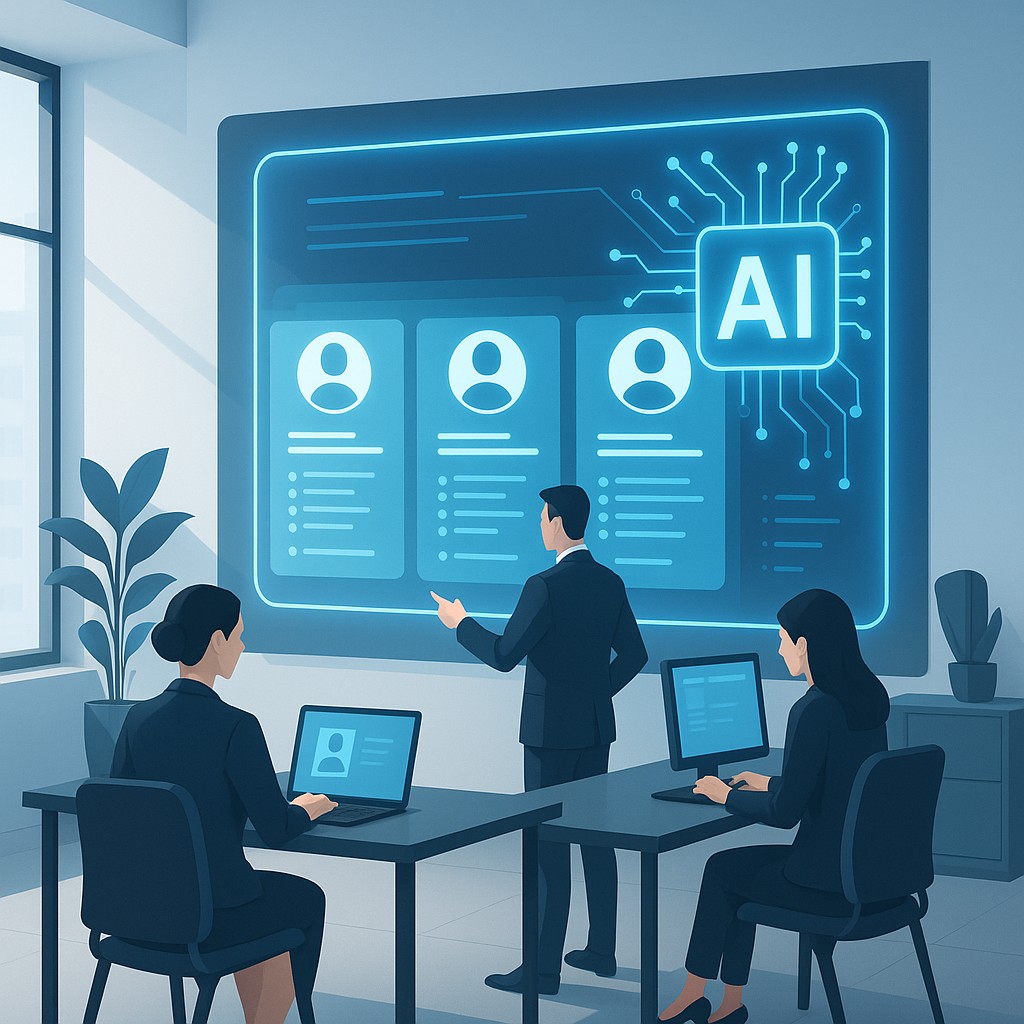
AI-powered recruitment tools analyze resumes against your job descriptions. They don’t just look for keywords—they evaluate context, relevance, and alignment with the role’s requirements. Think of it as having a tireless assistant that reads every resume thoroughly, ranks candidates, and flags the best ones for you.
For example, TalentNext’s AI doesn’t just scan for “project management.” It knows the difference between someone who’s led a multi-million-dollar construction project and someone who’s organized a bake sale. Context matters. And the best part? It does this in seconds, not hours.
An additional layer to this is how AI tools handle complex requirements. Let’s say your job description asks for someone skilled in both Python programming and data visualization tools like Tableau. The AI can prioritize candidates who match both criteria instead of focusing on just one. This ensures your shortlist includes candidates who check all the right boxes, not just one or two.
The Feature That Changes Everything: Bulk Resume Upload
Here’s where it gets practical. One of the most underrated features in tools like TalentNext is bulk resume upload. Imagine this: you’ve got 500 resumes for a mid-level marketing role. Upload them all at once. The AI processes them in minutes, scores each candidate based on their match to your job description, and generates a shortlist.
No more flipping through PDFs or Excel sheets. No more second-guessing. Just actionable insights, ready when you are.
A Real-World Example
Consider this scenario: You’re a recruiter hiring for a data analyst role. Out of 500 resumes, the AI flags 47 candidates as high matches. That’s 47 people you can focus on instead of wasting hours on the other 453. You’ve already saved a full day of work.
Even better, the AI can rank those 47 candidates based on a scoring system. For instance, candidates with advanced certifications like a Microsoft Power BI certification might score higher than those with only basic Excel skills. This precision means you’re not just saving time—you’re drastically improving the quality of your initial pool.
Actionable Steps for Bulk Processing:
- Gather all resumes in one folder.
- Upload them in bulk to your AI-powered tool.
- Define your key criteria—e.g., years of experience, certifications, or skills.
- Review the AI-generated shortlist and focus on top-scoring candidates.
What About False Positives?
You might be thinking, “Can I trust the AI? What if it misses a great candidate or flags the wrong ones?” Fair question. AI isn’t perfect, but it’s getting really close. Tools like TalentNext let you tweak the scoring criteria so it aligns with your priorities. Need someone with 5+ years of experience? Adjust the weight for that. Prefer candidates with advanced certifications? No problem.
Real-World Safeguards
Take this example: A recruiter is hiring a senior software engineer but notices the AI flagged a junior developer as a high match. By tweaking the scoring to emphasize years of experience and leadership roles, the AI recalibrates and produces a cleaner, more accurate shortlist. This iterative approach ensures the AI aligns with the specific nuances of your hiring process.
Plus, AI doesn’t replace human judgment—it enhances it. Think of it as a filter. You still have full control over who moves forward.
Why This Matters for Job Seekers
AI-powered recruitment isn’t just a win for recruiters. It’s a game-changer for candidates too. Here’s how: TalentNext provides applicants with AI-driven feedback on their resumes. If your resume doesn’t align with the job description, the AI tells you why—and how to fix it.
Practical Example
For instance, if you’re applying for a UX designer role but your resume emphasizes graphic design, the AI might suggest rephrasing your experience to highlight user research, wireframing, or usability testing. These insights can make the difference between getting a callback and being ghosted.
Actionable Tip for Candidates: Use AI feedback tools to tailor your resume for each job application. Even minor tweaks, like aligning your skills section with the job description, can improve your chances of getting noticed.
The Numbers Don’t Lie
Still skeptical? Let’s talk numbers. Companies using AI resume screening tools report:
- 75% reduction in screening time (LinkedIn Talent Solutions).
- 35% increase in quality hires (HR Tech Outlook).
- 62% decrease in time-to-hire (PwC).
These aren’t small gains. They’re the kind of improvements that free up your team to focus on what really matters: connecting with top talent.
The Obvious Objection: “What About Bias?”
AI gets a bad rap for reinforcing biases. And it’s a valid concern. If the algorithms are trained on biased data, they’ll replicate those biases. But the best AI tools have safeguards in place. TalentNext, for instance, anonymizes certain data points (like names and addresses) to reduce unconscious bias. It’s not foolproof, but it’s a step in the right direction.
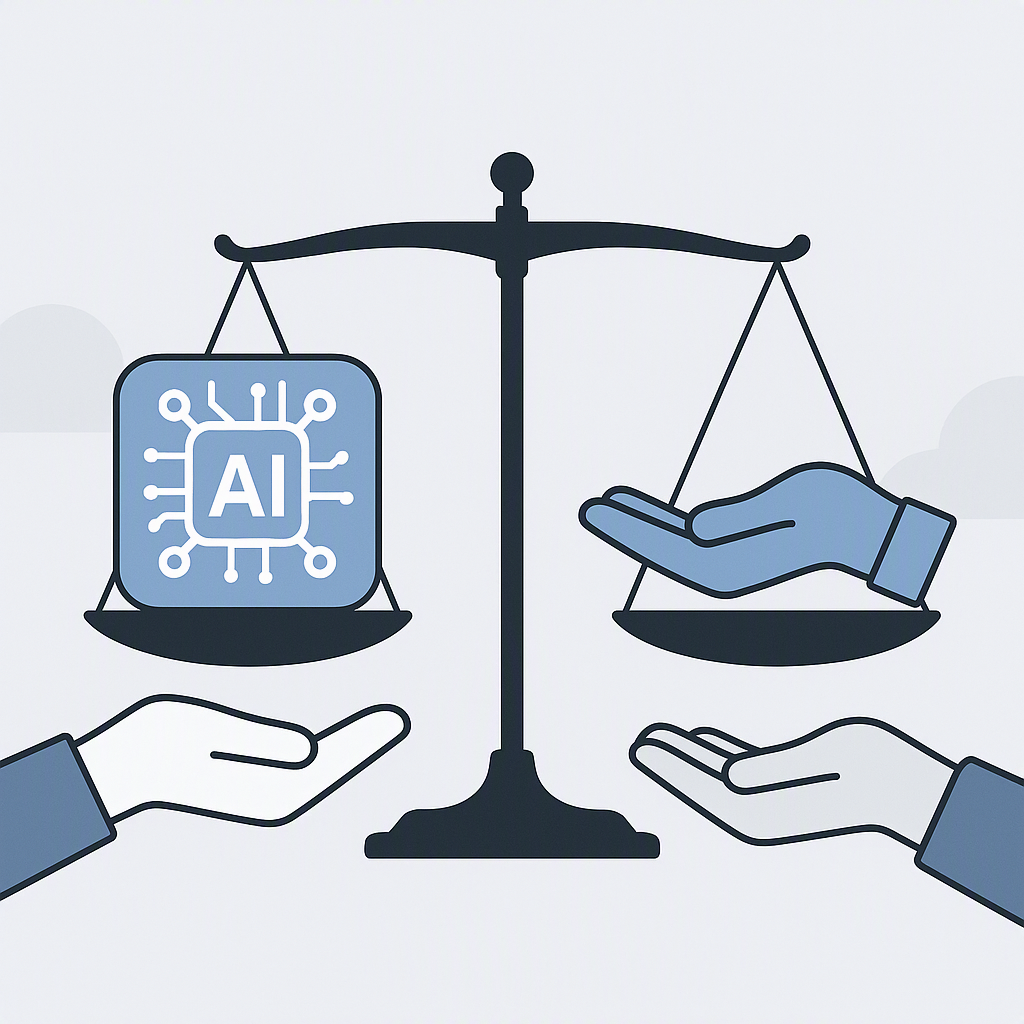
Comparison: Manual vs AI Screening
| Criteria | Manual Screening | AI Screening (e.g., TalentNext) |
|---|---|---|
| Time to screen 500 resumes | ~23 hours | ~10 minutes |
| Risk of unconscious bias | High | Mitigated (e.g., anonymized data) |
| Candidate ranking | Subjective | Data-driven |
| Cost | High (time = money) | Scalable and cost-efficient |
If you’re worried, use AI as a first pass and follow up with a manual review. The goal isn’t to replace humans—it’s to give them a head start.
Ready to Stop Wasting Time?
Here’s the bottom line: AI-powered recruitment is here to stay, and it’s solving one of the biggest pain points in hiring. If you’re still screening resumes manually, you’re leaving hours—and top talent—on the table. Tools like TalentNext can cut screening time by 75%, improve candidate quality, and make your life a whole lot easier.
FAQ
1. Does AI replace recruiters?
No. AI handles the grunt work so recruiters can focus on strategy and candidate engagement.
2. What if the AI doesn’t understand my job description?
Most tools, including TalentNext, let you customize the criteria. You can fine-tune it for each role.
3. Is AI screening expensive?
Not really. Most platforms offer scalable pricing. And when you factor in the time saved, it’s worth every penny.
4. How do candidates feel about AI screening?
Surprisingly positive. Many appreciate the transparency and resume feedback.
5. Can I try it before committing?
Yes. Tools like TalentNext offer free trials. Test it out and see if it fits your workflow.