The Problem with AI Bias in Hiring
AI hiring tools promise speed and consistency, but they’re far from flawless. Workday’s ongoing legal battle in California over alleged AI discrimination is the latest reminder. The lawsuit accuses the platform of reinforcing bias against candidates based on age, race, and disability. Whether these claims hold up in court or not, the implications are clear: recruiters can’t blindly trust AI.
Why does this happen? AI systems are trained on historical data. If that data reflects societal biases—or worse, biased hiring practices—the AI doesn’t know better. It learns to mimic those patterns. For instance, if a company historically hired mostly young, white males for leadership roles, the AI might prioritize resumes with similar demographics. That’s not progress. That’s perpetuating the same old problems, only faster.
AI bias is a systemic issue. It stems from three main factors:
- Training Data: Machine learning systems rely on historical data to make predictions. If that data is skewed, the model will replicate those biases. For instance, if the data suggests that male candidates are more likely to get hired for technical roles, the AI will inherently favor male candidates.
- Incomplete Context: AI systems lack human intuition and context. They can analyze patterns, but they don’t understand the nuances of individual achievements or potential. A gap in someone’s resume might be flagged as a negative, even if it’s due to legitimate reasons like caregiving responsibilities.
- Opaque Algorithms: Many AI tools operate as black boxes, meaning recruiters don’t fully understand how decisions are made. This lack of transparency makes it difficult to identify and address potential biases.
California’s Message: Bias Isn’t Free
California has some of the strictest employment laws in the U.S., including robust protections against discrimination. The Workday case is a wake-up call: companies using AI in hiring must ensure their tools comply with these laws. Violations can lead to hefty fines, lawsuits, and reputational damage that’s hard to repair.
California isn’t alone. In 2023, New York City enacted a law requiring companies to conduct regular audits of their automated hiring tools for bias. Employers must publicly disclose the results of these audits, ensuring transparency. Europe is also taking a hard stance with the AI Act, set to regulate AI systems across industries, including hiring.
The global trend is clear: regulators are watching. Companies that fail to address bias in their AI hiring practices risk legal consequences, financial penalties, and a tarnished reputation. In an age when consumers and employees increasingly value diversity and inclusion, the cost of non-compliance goes beyond legal fees—it can mean losing top talent and customer trust.
What Recruiters Must Learn
So, what can you do? Two key strategies stand out: audit your AI tools and combine them with human oversight. Let’s explore these in detail.
1. Conduct Regular Bias Audits
AI isn’t set-it-and-forget-it. Regular audits are essential to ensure the system isn’t perpetuating bias. Here’s how you can conduct effective audits:
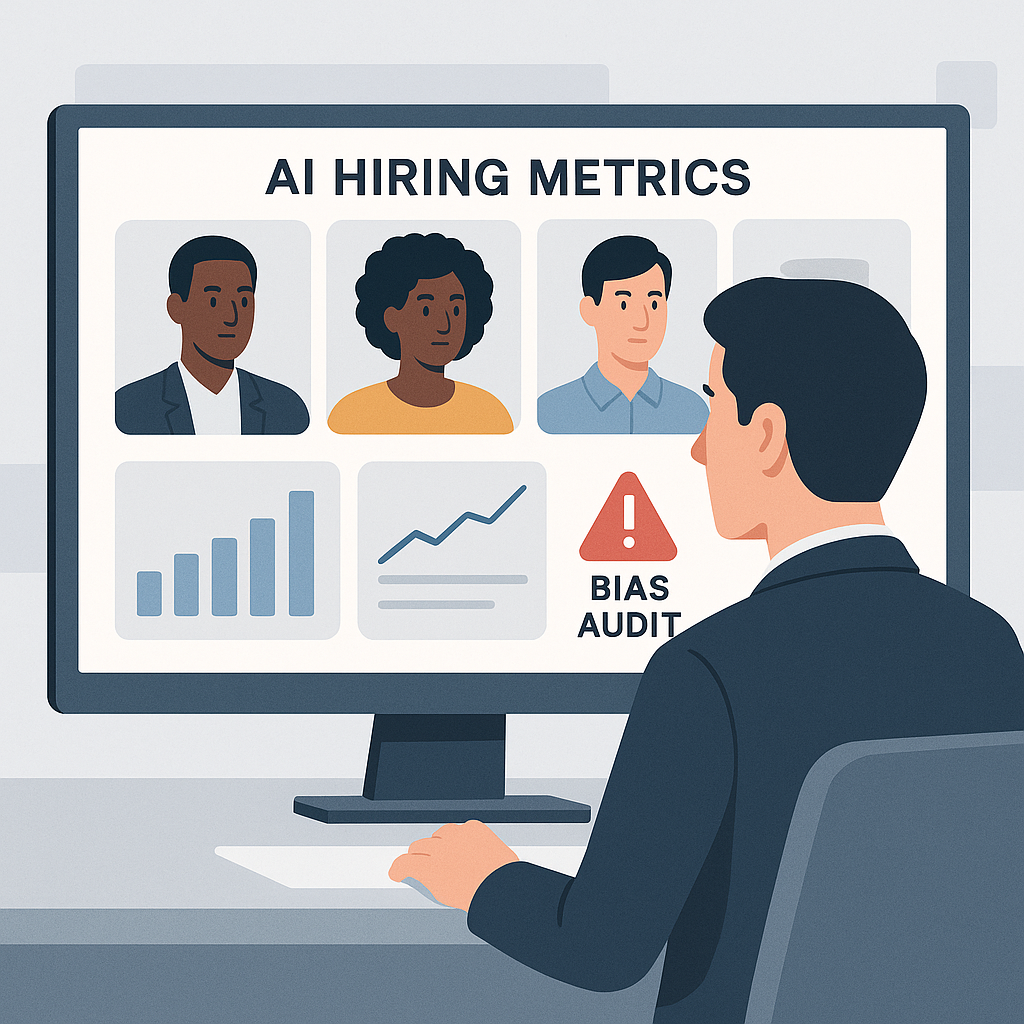
- Review Outcomes: Analyze hiring data by demographic groups. Are some groups underrepresented in your shortlisted candidates? If so, investigate why.
- Leverage Bias Detection Tools: Some AI platforms, like TalentNext, include built-in bias detection features. These tools can help flag patterns that might indicate bias in the hiring process.
- Update Training Data: Periodically refresh your AI’s training data to ensure it reflects current and diverse hiring practices. Remove or counterbalance biased historical data.
- Engage Third-Party Auditors: Consider hiring independent experts to evaluate your AI systems. They can provide an objective assessment of potential biases and offer recommendations for improvement.
2. Don’t Rely on AI Blindly
AI can process thousands of resumes in minutes, but it’s not a substitute for human judgment. Here’s how to strike the right balance:
- Define AI’s Role: Use AI to handle repetitive tasks, like scanning resumes for basic qualifications. Leave nuanced decisions—like assessing soft skills or cultural fit—to human recruiters.
- Train Your Team: Ensure your recruitment team understands how the AI works and how its decisions should be interpreted. They should know when to question or override the system’s recommendations.
- Implement Checks and Balances: Establish protocols for human review at critical stages of the hiring process. For example, require managers to review the top candidates identified by the AI before making final decisions.
How TalentNext Helps Recruiters Stay Compliant
One of the standout features of TalentNext is its focus on compliance and fairness. Here are a few ways the platform helps recruiters navigate the complexities of AI bias:
- Data Anonymization: TalentNext anonymizes certain data points, like name, age, and gender, during the initial screening phase. This ensures candidates are evaluated solely on their qualifications.
- Transparent Scoring: The platform provides detailed explanations for candidate rankings. Recruiters can see why a candidate was scored a certain way and investigate any anomalies.
- Bias Detection: TalentNext includes tools to identify and flag potential biases in the hiring process, allowing recruiters to take corrective action.
- Regular Updates: The platform continuously updates its algorithms and training data to reflect best practices and minimize bias over time.
Common Mistakes Recruiters Make
- Over-relying on AI: Letting the system make final hiring decisions without human review is risky. It’s also a liability if you’re ever audited.
- Skipping audits: Just because your AI tool claims to reduce bias doesn’t mean it actually does. Regular testing is essential.
- Ignoring soft skills: A resume is just one piece of the puzzle. Interviews and reference checks still matter.
- Not understanding the AI: If you don’t know how your AI works, you can’t explain or defend it. That’s a liability.
FAQ
1. How can I tell if my AI tool is biased?
Look for patterns in your hiring data. Are certain demographics consistently underrepresented in your shortlist? That’s a red flag. Tools like TalentNext can help by providing transparency and bias detection features.
2. What’s the risk of ignoring these issues?
Legal action, fines, and reputational damage. Just ask Workday—they’re now dealing with lawsuits that could drag on for years. Beyond that, you risk alienating top talent and damaging your employer brand.
3. Can AI tools ever be 100% unbiased?
No. AI is only as good as the data it’s trained on. The goal isn’t perfection—it’s continuous improvement and ethical oversight.
4. How often should we audit our AI hiring tools?
It depends on your industry and the volume of hiring, but a good rule of thumb is quarterly reviews. Additionally, any time you update the AI’s training data or algorithms, conduct a fresh audit.
5. What should I look for in an AI hiring tool?
Prioritize platforms that offer transparency, bias detection features, and regular updates. Ask vendors how they handle training data and what measures they take to ensure compliance with local laws.
Decision Framework: Evaluating AI Hiring Tools
| Feature | Why It Matters | Questions to Ask Vendors |
|---|---|---|
| Bias Detection | Ensures the tool can identify and flag biased patterns. | Does your tool have built-in bias detection? |
| Transparency | Allows recruiters to understand how decisions are made. | Can you explain how the AI evaluates candidates? |
| Data Anonymization | Reduces the risk of discrimination by hiding certain attributes like age or gender. | How does your tool anonymize candidate data? |
| Compliance Features | Helps meet legal requirements and avoid penalties. | How do you ensure compliance with local laws? |
| Algorithm Updates | Keeps the tool aligned with current best practices and reduces outdated biases. | How often do you update your AI algorithms? |
Final Thought: Progress, Not Perfection
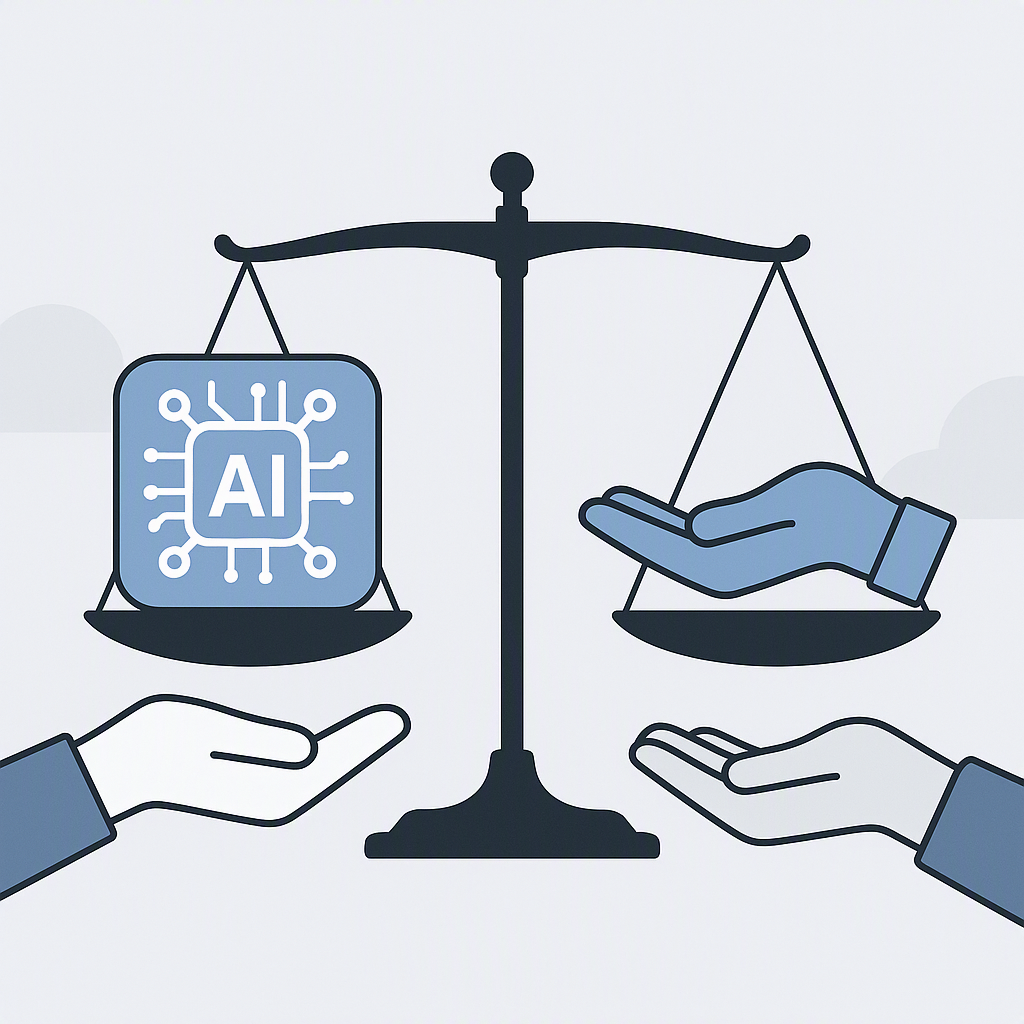
AI hiring tools aren’t going away, and they shouldn’t. They save time, reduce human error, and make life easier for recruiters. But they’re not magic wands. They need to be designed, used, and monitored with care.
If you're worried about bias in your hiring process, TalentNext can help. Its AI-powered platform is designed to prioritize fairness and transparency while saving recruiters up to 75% of screening time. Get started free →