Let’s be honest: manual resume screening is a nightmare. If you’re a recruiter, you’ve probably spent hours scrolling through resumes that aren’t even close to the job requirements. It’s frustrating, inefficient, and frankly, a waste of your time.
This is where AI-powered recruitment software comes in. It’s not some futuristic concept—it’s here, and it works. Tools like TalentNext use AI to analyze resumes and score them against your job descriptions. The result? You spend less time on unqualified candidates and more time engaging with top talent.
The Problem with Manual Screening
Here’s the deal: the average corporate job post gets 250 applications, according to a study by Glassdoor. How many of those are genuinely qualified? Maybe 10%, if you’re lucky. Yet recruiters still have to sift through all 250, because what if the perfect candidate is hidden in the stack?
But let’s face it: humans aren’t great at consistently evaluating resumes when they’re overwhelmed. One study found that recruiters spend just 6 seconds on a resume before deciding if it’s worth a closer look. Six seconds! That’s not enough time to catch everything. Bias creeps in, mistakes happen, and good candidates get overlooked.
How AI Changes the Game
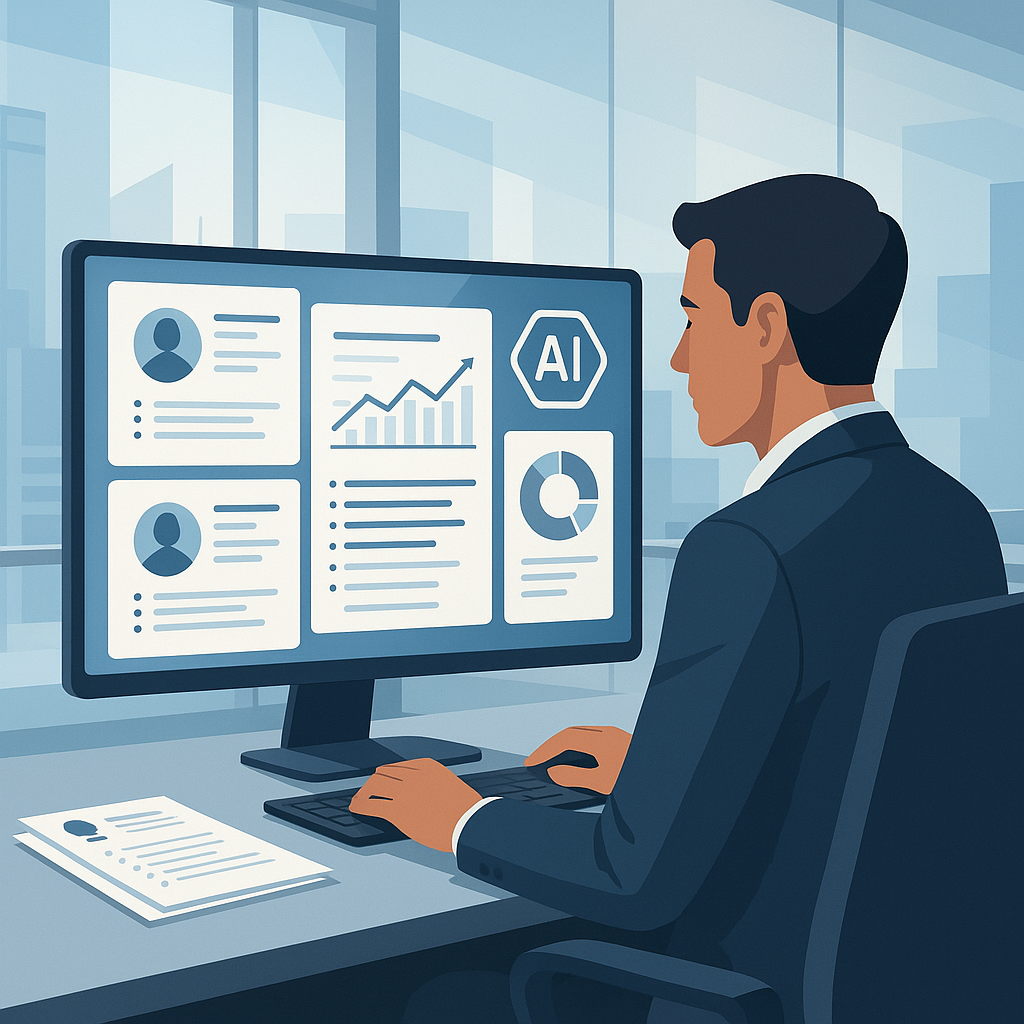
AI doesn’t get tired, bored, or distracted. It processes every resume with the same level of detail, no matter how long your applicant list is. For example, TalentNext’s bulk resume upload feature lets you feed in hundreds of resumes at once. The system then scores each one based on how well it matches the job description.
Here’s a specific example: say you’re hiring for a data analyst role. You’ve got 300 resumes. Instead of skimming through all of them, TalentNext instantly flags the top 20 candidates whose skills and experience align with your requirements. You get a ranked list of applicants, complete with scorecards that explain why each person is a good fit.
What About Edge Cases?
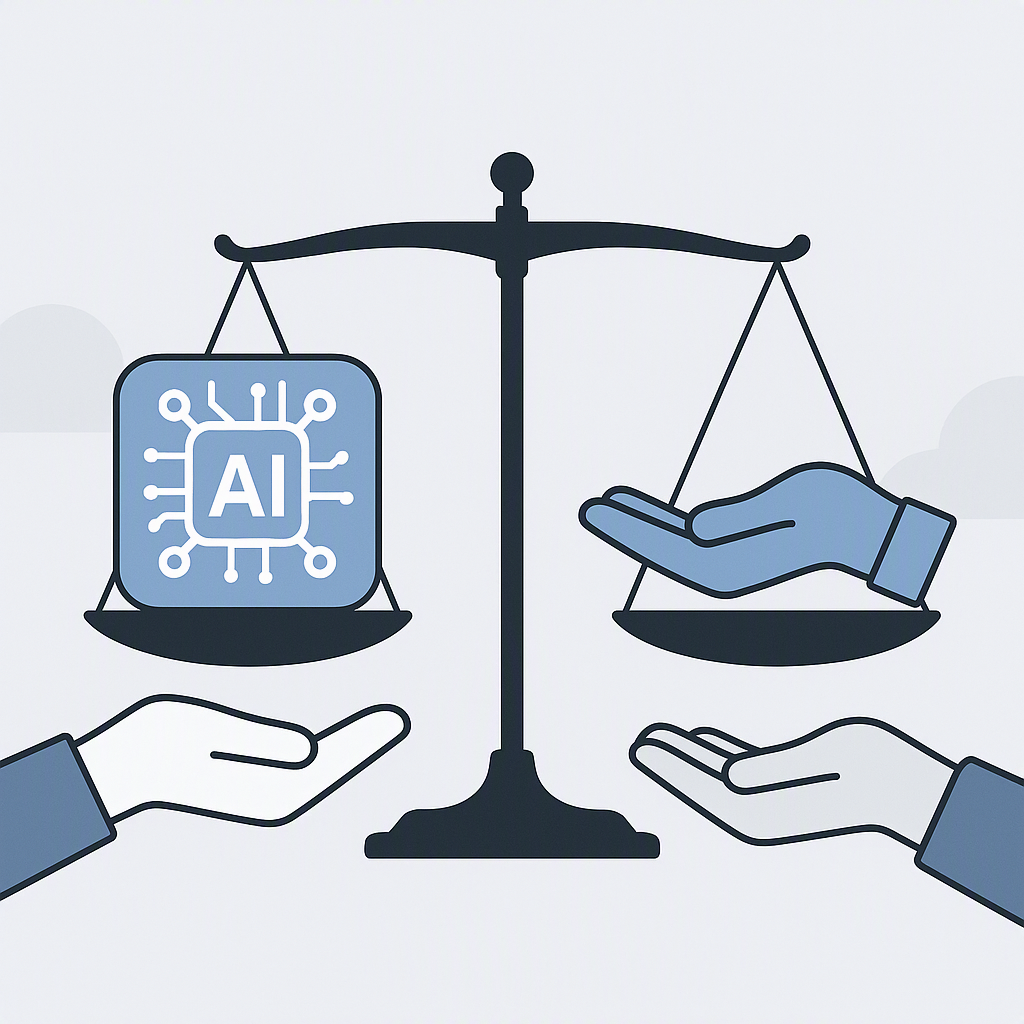
You might be thinking, “What if the AI misses something important, like soft skills or cultural fit?” Fair question. AI isn’t perfect, and it’s not meant to replace human judgment. Think of it as a filter, not a final decision-maker. It narrows the field so you can focus on the candidates worth your time.
Also, AI tools like TalentNext aren’t just about weeding out the bad. They can also provide actionable feedback for job seekers. Candidates get suggestions on how to improve their resumes to better match job postings. It’s a win-win: recruiters get better applications, and candidates know how to present themselves more effectively.
Why This Matters Now
The hiring landscape is more competitive than ever. According to SHRM, 83% of HR professionals have struggled with recruitment in the past year. If you’re still relying on outdated methods, you’re already at a disadvantage. AI-powered recruitment tools aren’t just a nice-to-have anymore—they’re essential.
But don’t just take my word for it. Companies using AI in recruitment report a 75% reduction in screening time and a 35% improvement in hiring quality, according to LinkedIn's Global Talent Trends. That’s not small change.
Final Thought
Recruitment should be about people, not paperwork. AI-powered tools like TalentNext free you from the grind of manual screening, so you can focus on what really matters: connecting with great candidates. Isn’t it time we stopped wasting hours on resumes that don’t even come close to the mark?
Ready to see TalentNext in action?
AI-powered resume screening and recruitment platform that instantly analyzes and scores resumes to streamline hiring.
Get Started Free →