Why Are We Still Manually Screening Resumes?
Let’s be real—manual resume screening is painfully slow. Recruiters spend hours sifting through piles of applications, only to find out most of them don’t match the job requirements. According to a webinar from Upflinx, nearly 60% of resumes screened manually by recruiters don’t meet the baseline criteria. That’s wasted time you’ll never get back.
Now, imagine cutting that time by 75%. It’s not just possible; it’s standard with AI-powered recruitment software.
The Problem With Manual Screening
Here’s the thing: humans aren’t great at repetitive tasks. Screening hundreds of resumes is mentally draining and leads to inconsistencies. Maybe you’re sharper in the morning but sloppy by noon. Or your colleague uses a different set of criteria entirely. The result? Unqualified candidates slip through the cracks, and top talent gets overlooked.
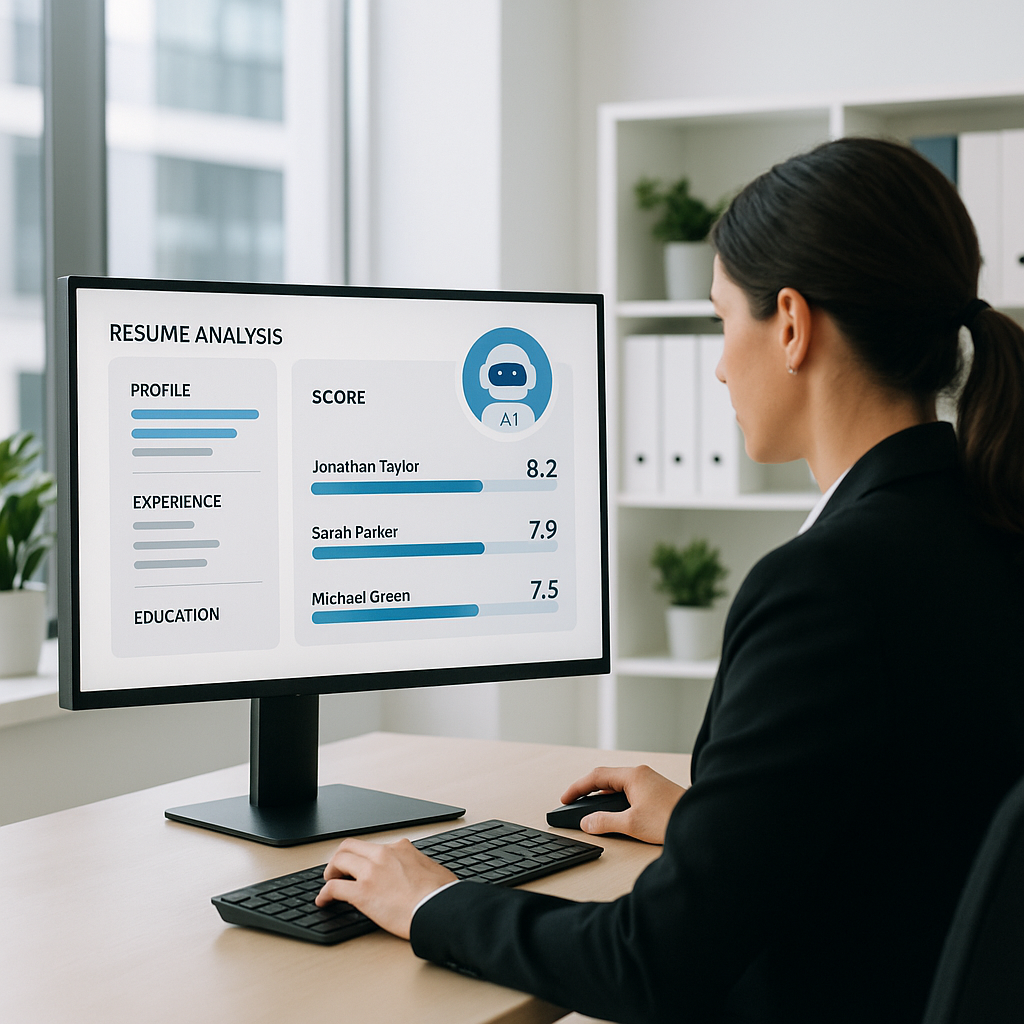
AI doesn’t have “off days.” Tools like TalentNext analyze resumes systematically, scoring candidates against the job description using algorithms trained to prioritize relevant skills and experience. This ensures every application gets evaluated consistently, whether it’s the first or the hundredth.
How AI Speeds Up Screening
Here’s a practical example: TalentNext lets you upload resumes in bulk—hundreds at a time. The AI then matches each resume to the job description, assigns a score, and flags the top candidates for review. No need to manually open each PDF or squint at poorly formatted Word documents.
The time savings are huge. According to a study cited by Ewance, AI screening tools can process resumes up to 10 times faster than humans. Recruiters can then spend that extra time connecting with qualified candidates instead of slogging through unqualified ones.
But Is AI Screening Perfect?
You might be thinking, “What if the AI misses something important?” It’s a fair concern. AI isn’t flawless—it depends on the quality of the data fed into it. Poorly written job descriptions or vague criteria can lead to mismatches. That’s why TalentNext includes a candidate scorecard. It doesn’t just spit out a score; it shows you why the candidate scored high or low. This transparency lets recruiters double-check the AI’s work and adjust criteria as needed.
Why Recruiters Should Care
If you’re a recruiter, AI-powered resume screening isn’t just a time-saver; it’s a way to focus on what really matters—engaging with the best candidates. And for job seekers? Tools like TalentNext provide actionable feedback on how to improve their resumes, making them more competitive in the hiring pool.
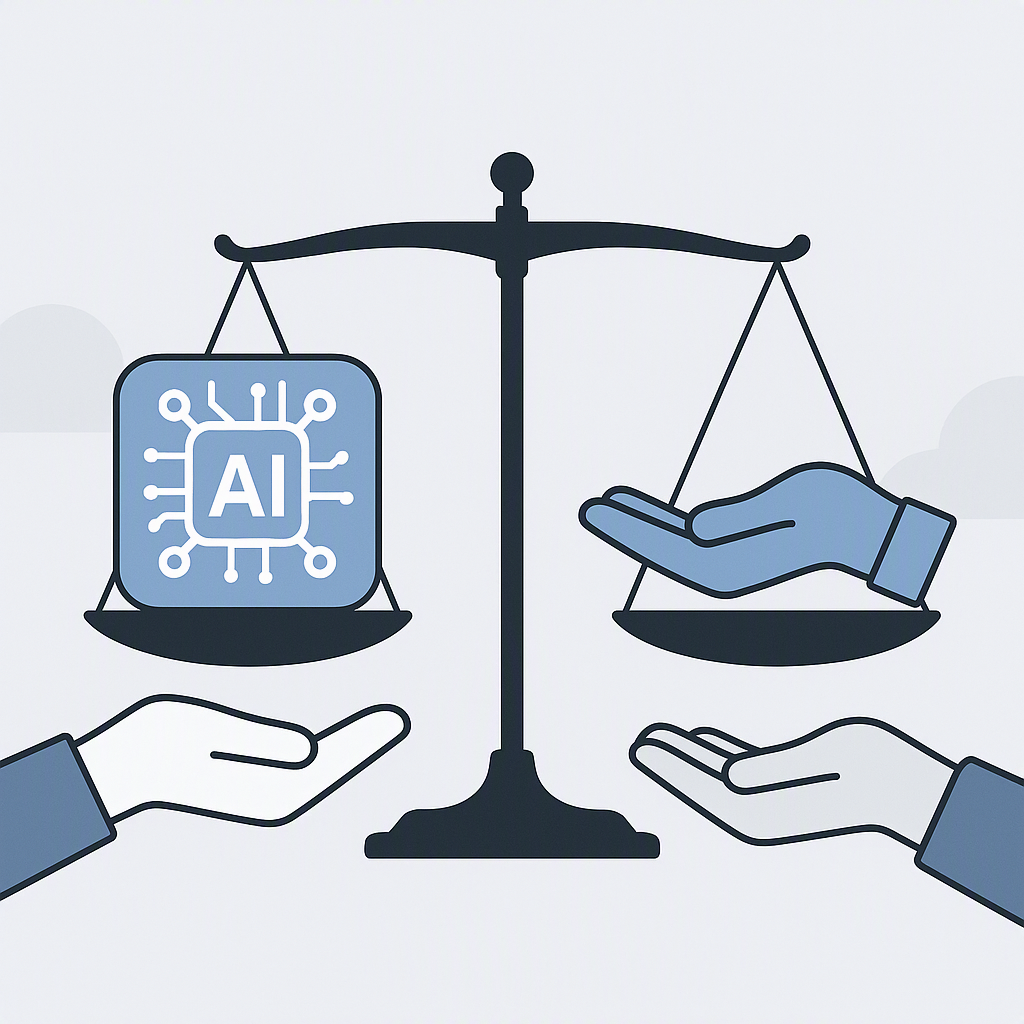
We’re not saying AI replaces human judgment. But it does eliminate the busywork that keeps recruiters from doing their actual job: hiring the right people.
Ready To Retire Manual Screening?
AI-powered recruitment tools are transforming hiring. Platforms like TalentNext show us that the future isn’t about working harder—it’s about working smarter. Why spend hours on tasks a machine can do better? Instead, spend that time building relationships with candidates who’ll drive your company forward.
Want to see it in action? Check out the Upflinx webinar for more real-world use cases, or dive deeper into HR automation examples on YouTube.
Ready to see TalentNext in action?
AI-powered resume screening and recruitment platform that instantly analyzes and scores resumes to streamline hiring.
Get Started Free →