Balancing AI and Human Skills in Recruitment
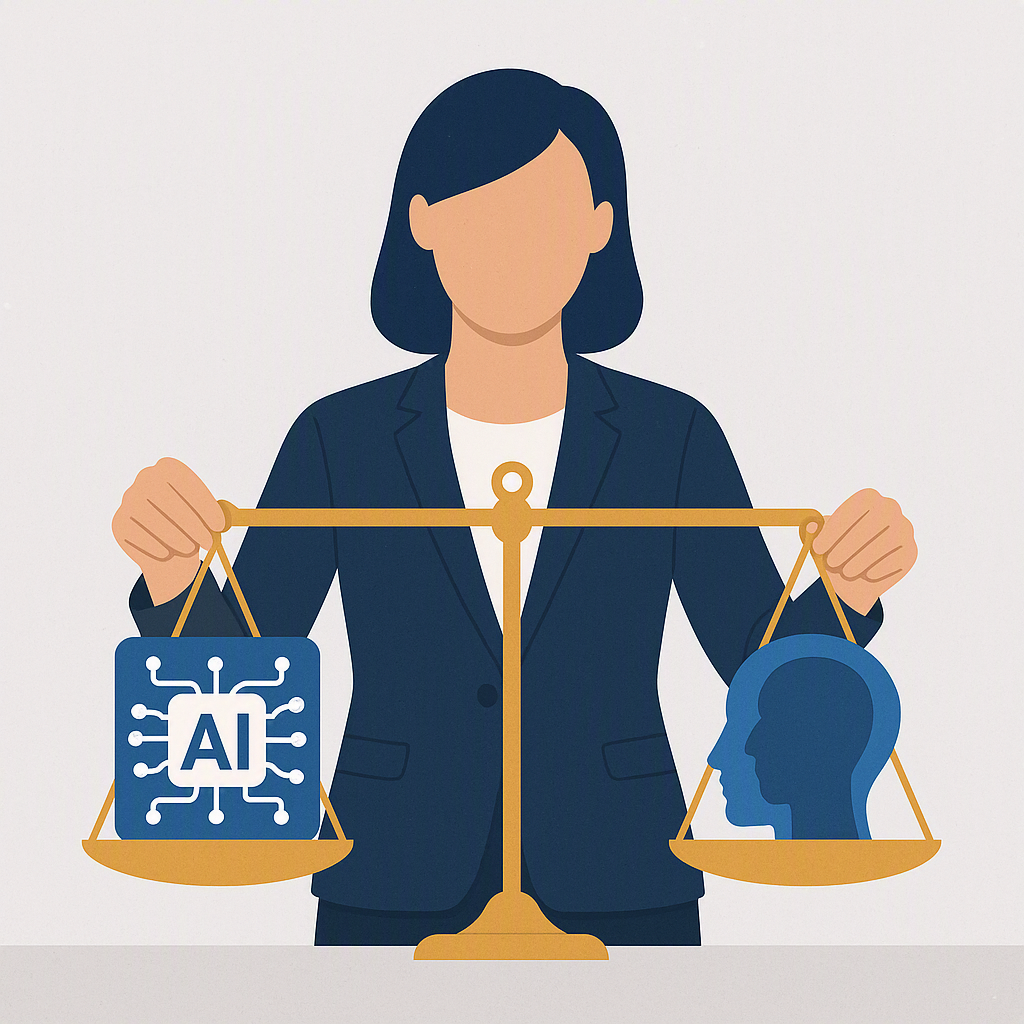
Recruitment is evolving rapidly, with AI tools becoming increasingly prevalent. These tools promise to streamline processes and improve efficiency, but they are not without limitations. Striking the right balance between automation and human skills is essential for successful hiring outcomes.
The Problem with Over-Reliance on AI
AI is a powerful tool, but it has its limitations. While it excels at processing large volumes of data and identifying patterns, it struggles with nuanced roles that require interdisciplinary skills or traits like empathy and adaptability. Additionally, AI systems can unintentionally reinforce biases present in the datasets they are trained on, making regular audits crucial to ensure fairness and effectiveness.
Where AI Helps—and Where It Doesn’t
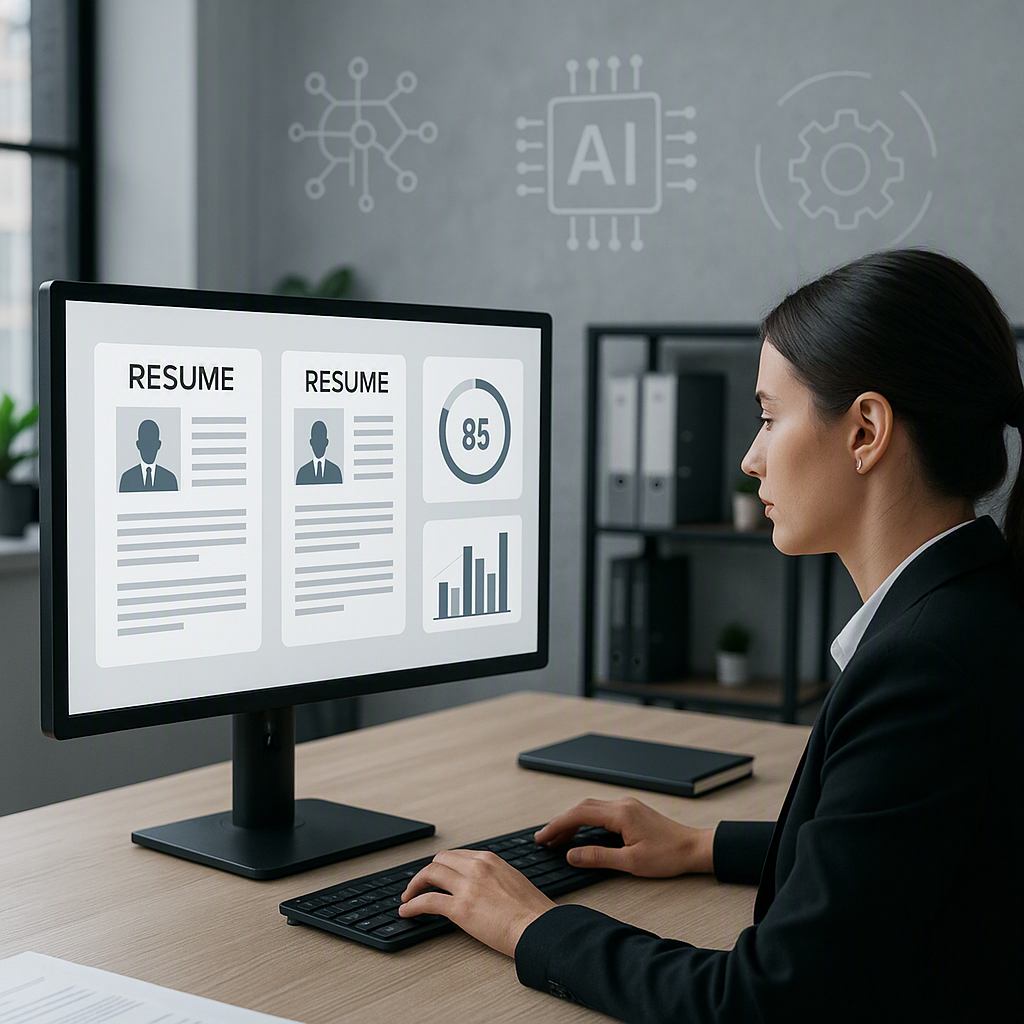
AI is particularly effective in handling high-volume, repetitive tasks, such as screening large applicant pools. It can significantly reduce the time spent on initial resume reviews, allowing recruiters to focus on engaging with the most promising candidates. However, AI falls short when it comes to assessing soft skills, cultural fit, and other intangible qualities that are critical for long-term success in a role. These aspects require human judgment and interaction.
A Practical Example: Blending AI and Human Judgment
Illustrative example — Imagine you’re hiring a marketing manager. You use an AI tool to analyze and score hundreds of resumes, generating a shortlist of candidates who meet the core qualifications. From there, you review the AI-generated insights, identify potential gaps, and conduct interviews to assess communication style, creativity, and cultural fit. This hybrid approach leverages AI for efficiency while relying on human expertise for deeper evaluation.
Actionable Steps for Recruiters
- Audit Your AI Tools: Regularly review how your AI systems score candidates to ensure fairness and effectiveness.
- Upskill Your Team: Train recruiters to interpret AI-generated insights effectively and use them to inform their decisions.
- Keep a Human Touch: Use AI for initial screening but ensure candidates interact with people during critical stages, such as interviews.
- Focus on Metrics: Track key performance indicators like time-to-hire and quality-of-hire to measure the impact of AI on your recruitment process.
FAQ
Q: Can AI eliminate bias in hiring?
A: Not entirely. While AI can reduce certain biases, it can also reinforce others if the training data is flawed. Regular audits are essential.
Q: How do I know if AI is missing soft skills in candidates?
A: Pay attention to areas where AI might struggle, such as communication, adaptability, or leadership potential, and supplement its insights with human evaluation.
Q: Should I rely on AI for niche roles?
A: For complex positions, use AI as a preliminary filter and rely on human expertise for detailed assessments.
Q: Is AI worth the investment for small HR teams?
A: Yes, AI tools can save time and streamline processes, especially for teams managing large applicant pools.
What Recruiters Often Miss
A common mistake is assuming AI is infallible. High resume match scores should not replace deeper evaluations of candidates. Additionally, automated systems can feel impersonal, potentially harming your employer brand. Balancing AI with human interaction is key.
The Bottom Line
AI is transforming recruitment, but it cannot replace human judgment. The best results come from combining AI’s efficiency with the insights and intuition of skilled recruiters. By leveraging AI tools for initial screening and relying on human expertise for critical evaluations, organizations can optimize their hiring processes while maintaining a personal touch.