The Real DEI Challenge in Hiring
Diversity, Equity, and Inclusion (DEI) in hiring isn’t just a feel-good initiative anymore—it’s a legal and ethical minefield. The Federal Communications Commission (FCC) Chairman recently highlighted the need for 'common ground' in tackling illegal discrimination in recruitment. But what does that mean for recruiters in practice?
In essence, it means navigating unconscious bias, ensuring compliance with Equal Employment Opportunity Commission (EEOC) rules, and hiring based on merit. Sounds simple, right? It’s anything but. Many recruitment processes still rely on manual resume screening, which is both time-consuming and prone to bias. Even well-meaning recruiters can inadvertently prioritize candidates based on irrelevant factors like employment gaps or stereotypes that unconsciously influence decision-making.
Why Bias Happens More Often Than You Think
Unconscious bias in hiring goes beyond obvious factors like race or gender. It’s often hidden in subtle yet impactful decisions. Here are some common examples:
- Employment Gaps: Favoring candidates with continuous employment over those with gaps may unintentionally disadvantage women, caregivers, or anyone who took time off to pursue personal growth or education.
- Prestigious Institutions: Overvaluing candidates from well-known schools or companies often sidelines individuals with diverse but equally strong qualifications from less traditional backgrounds.
- Resume Formatting: Ignoring applicants who don’t use specific buzzwords or follow a particular format penalizes candidates who may not be fluent in corporate jargon but are otherwise highly qualified.
These biases don’t just hurt candidates—they hurt your hiring outcomes. By overlooking skilled talent, companies limit diverse perspectives that drive innovation. Worse yet, biased hiring practices expose organizations to compliance risks, including fines or lawsuits under EEOC regulations.
Where AI Steps In
This is where AI-powered tools like TalentNext come into play. Instead of relying on human intuition—which is inherently flawed—AI analyzes resumes objectively, focusing on measurable criteria like skills, certifications, and relevant experience. By removing subjective factors, AI ensures that hiring decisions are built on merit rather than unconscious bias.
Let’s consider a practical example:
Imagine you’re hiring for a marketing manager position. During the interview, a candidate discloses that they’ll need periodic time off for IVF treatments. Without AI, there’s a risk that this disclosure could unconsciously affect their evaluation. TalentNext’s resume screening tool eliminates this possibility by scoring resumes based purely on job-fit metrics like expertise in digital marketing, campaign management, and analytics. Personal disclosures or irrelevant details don’t factor into the AI’s scoring.
How It Works
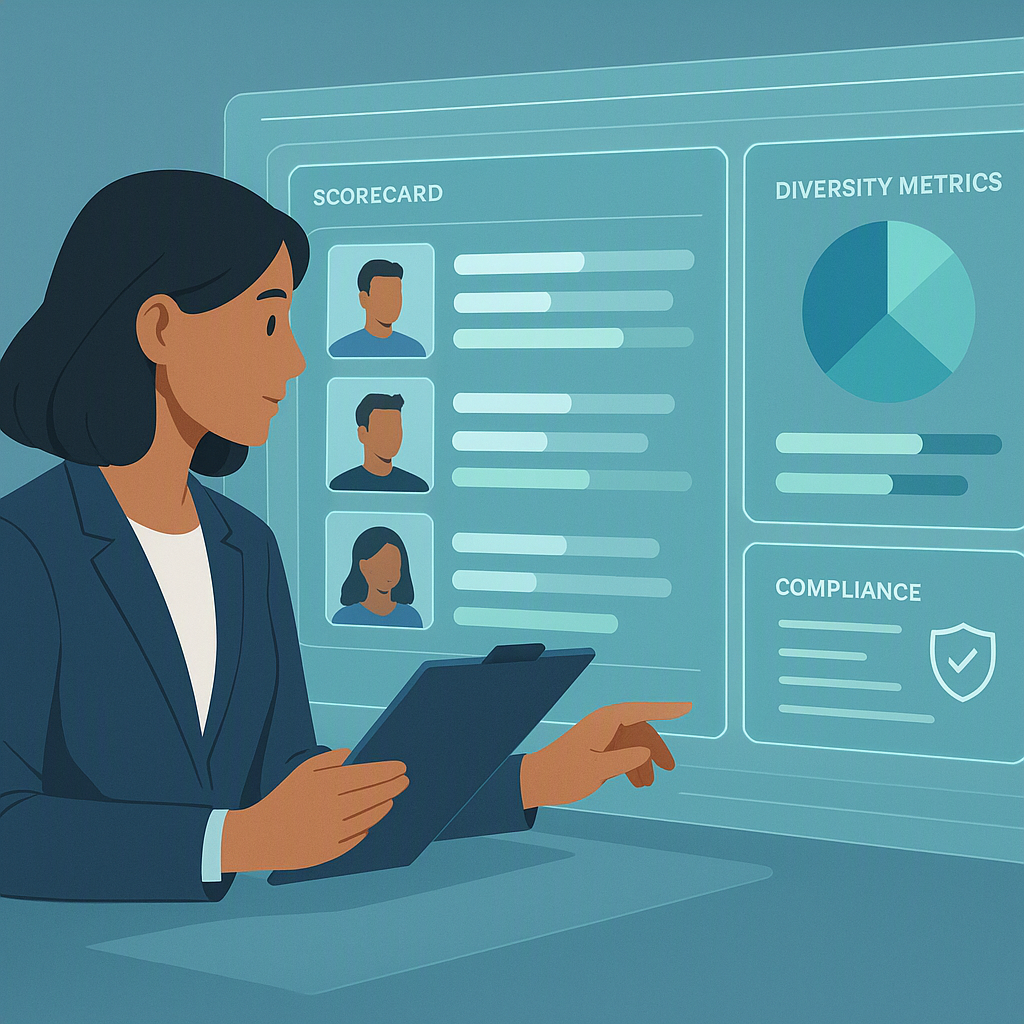
TalentNext’s candidate scorecards are changing the way recruiters evaluate applicants. These scorecards provide a structured, objective assessment of how well a candidate aligns with the role. Here’s how they work:
- Skill Match: The system compares the candidate’s listed skills against the job requirements, ensuring alignment with the role’s essential functions.
- Experience Relevance: It evaluates years of experience and past roles objectively, avoiding overemphasis on irrelevant details.
- Certifications: Industry-recognized certifications are highlighted, giving recruiters confidence in candidates’ expertise.
Instead of spending hours debating resumes, recruiters receive a clear, actionable shortlist of candidates based on merit.
DEI and Compliance: What Recruiters Need to Know
DEI isn’t just about avoiding public relations disasters—it’s about legal compliance and ethical responsibility. Laws like the Pregnant Workers Fairness Act (PWFA) and EEOC guidelines mandate fair evaluation standards for all candidates. AI tools like TalentNext help recruiters stay compliant by ignoring irrelevant factors like employment gaps or personal disclosures. By doing so, companies reduce the risk of penalties and foster trust with applicants.
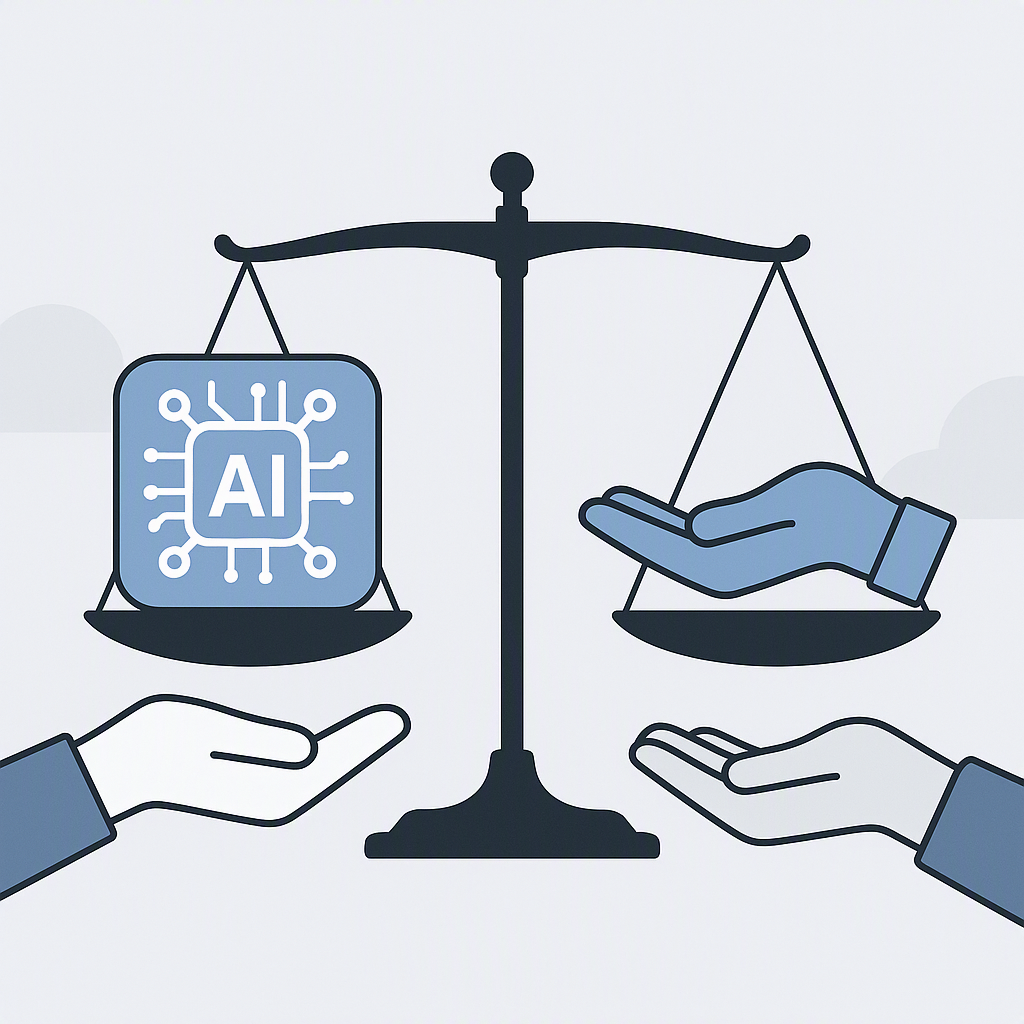
However, it’s crucial to recognize that AI is not infallible. AI tools reflect the data they’re trained on, and if that data contains bias, the AI could unintentionally replicate it. Regular audits, human oversight, and algorithmic transparency are essential to ensure fairness and accuracy.
Common Objections
You might wonder: “Can AI really eliminate bias entirely?” The answer is no. AI tools can significantly reduce bias, but they’re only as effective as the data and algorithms behind them. Here’s how tools like TalentNext address this:
- Continuous Testing: TalentNext actively tests its algorithms to identify and reduce bias.
- Customizable Criteria: Recruiters can adjust scoring parameters to align with their DEI goals.
- Human Oversight: AI serves as a filter, but human judgment remains vital for final hiring decisions.
Practical Steps for Recruiters
Here’s a step-by-step guide to integrating AI into your DEI strategy:
- Audit Your Current Process: Identify where bias might occur in your hiring funnel—resume screening, phone interviews, or reference checks.
- Pilot AI Tools: Start with specific features like resume scoring or candidate ranking. For instance, TalentNext allows bulk uploads, enabling recruiters to test the tool with past resumes.
- Train Your Team: AI is only effective when users understand its capabilities. Educate hiring managers on how to interpret AI-generated data responsibly.
- Combine AI with Human Review: AI can streamline initial screening, but human input ensures a personalized, nuanced approach to decision-making.
- Monitor & Improve: Regularly assess how your AI tool performs and adjust settings or processes as needed. Feedback loops are crucial for improving outcomes.
Comparison Table: Manual Screening vs. AI-Powered Screening
| Criteria | Manual Screening | AI Screening |
|---|---|---|
| Time Efficiency | Hours per batch of resumes | Minutes for bulk resume analysis |
| Risk of Bias | High—dependent on human intuition | Lower—objective scoring based on metrics |
| Compliance Risk | Higher—subject to unconscious bias | Lower—aligns with EEOC standards |
| Candidate Transparency | Limited—subjective process | High—objective feedback on scoring |
| Scalability | Limited by recruiter capacity | Scalable across thousands of resumes |
FAQ
Q: Can AI handle DEI hiring for small businesses? A: Absolutely. Tools like TalentNext are scalable, making them suitable for companies with as few as 15 employees. They ensure compliance with laws like PWFA while streamlining hiring.
Q: What happens if AI reinforces bias? A: This is why regular audits are critical. Choose tools like TalentNext that actively test for bias in their algorithms and allow customizable scoring criteria to mitigate issues.
Q: How does AI improve transparency for candidates? A: AI provides objective feedback on how resumes are scored, allowing candidates to understand why they’re considered a match—or not.
Q: Can AI replace recruiters? A: No, AI enhances human judgment but doesn’t replace it. Recruiters remain essential for nuanced decision-making and interpersonal evaluations.
Q: Are AI tools expensive? A: Many AI platforms offer scalable pricing models, making them accessible to both small and large organizations. ROI often comes quickly through time saved and improved hiring outcomes.
Final Thoughts
DEI isn’t just a checkbox—it’s a commitment to fairness and equity that benefits companies and candidates alike. Tools like TalentNext simplify the process by reducing bias and emphasizing merit. If manual screening and compliance headaches are slowing you down, AI can be the perfect ally.