Remote Workers Face Unique Challenges in the Job Market
Remote work has brought flexibility and global opportunities, but it has also introduced challenges for both job seekers and recruiters. Many remote workers struggle to adapt their resumes to align with remote-specific roles, while recruiters face the daunting task of sorting through a large pool of applicants from diverse backgrounds and industries.
The Hiring Problem in Remote Work
Recruiters often spend significant time screening resumes to identify candidates who meet job requirements. Remote positions, which attract applicants from various countries and industries, can make this process even more time-consuming and complex.
How AI Can Help Bridge the Gap
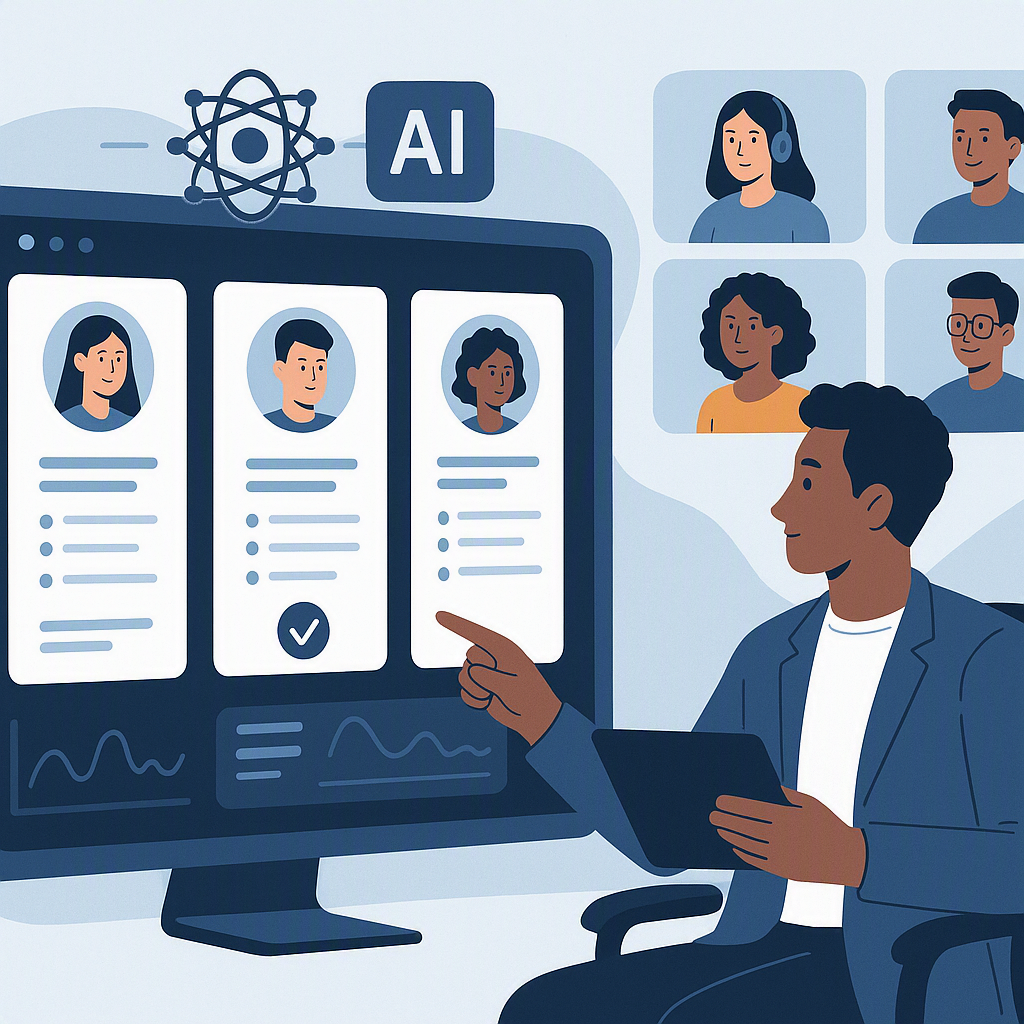
AI-powered hiring tools can streamline recruitment processes and assist job seekers in tailoring their resumes for remote roles. Here are two key ways AI can make a difference:
1. Matching Skills to Job Descriptions
Remote roles often require specific skills that candidates might not emphasize in their resumes. For example, a customer support role might need experience with certain software, remote communication tools, and managing virtual teams. AI tools can analyze resumes against job descriptions to identify relevant skills, ensuring qualified candidates are not overlooked due to missing keywords.
2. Bulk Resume Processing
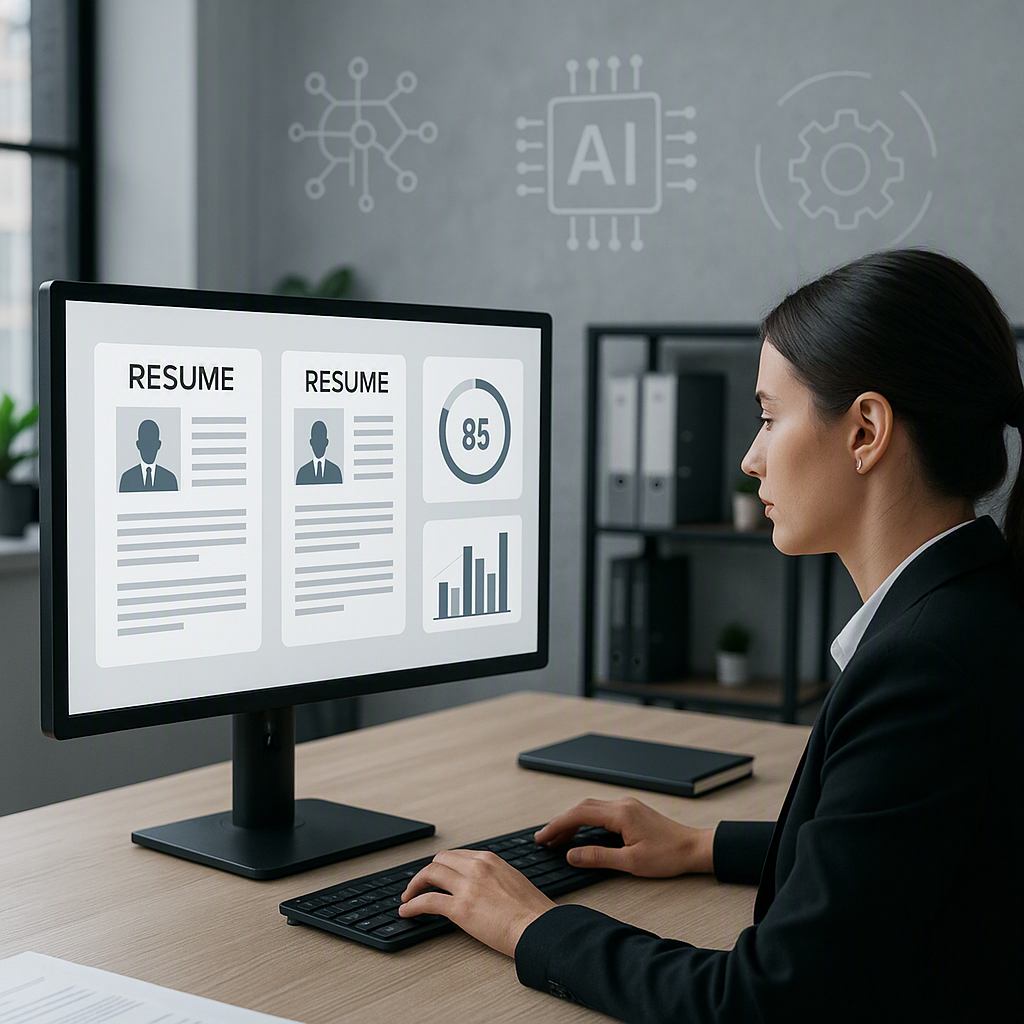
Remote job postings typically attract a high volume of applications. AI tools can process resumes in bulk, scoring applicants against predefined criteria to create a shortlist of candidates who meet the job requirements. This approach saves time and reduces manual effort while improving the accuracy of candidate selection.
Supporting Remote Workers with Resume Feedback
Remote workers often face challenges in presenting their skills effectively for remote-specific roles. AI-driven resume feedback tools can analyze resumes and suggest improvements tailored to job postings. For instance, these tools might recommend emphasizing experience with remote collaboration tools or highlighting transferable skills like self-management and adaptability.
The Road Ahead: AI as a Solution, Not a Replacement
AI hiring tools offer valuable solutions to improve efficiency in recruitment and help remote workers better position themselves in the job market. However, AI is not a replacement for human recruiters. While AI excels at tasks like resume screening, recruiters provide essential insights into cultural fit and emotional intelligence.
Common Questions About AI Hiring for Remote Workers
1. How does AI avoid bias in hiring?
AI systems aim to minimize bias by using diverse datasets and refining algorithms to ensure fair candidate evaluation.
2. Can AI replace recruiters entirely?
No, AI complements recruiters by handling repetitive tasks like resume screening, while recruiters focus on human-centric aspects of hiring.
3. How can remote workers make their resumes AI-friendly?
Focus on keywords from the job description and highlight remote-specific skills like time management, adaptability, and proficiency with communication tools.
4. Does AI hiring work for senior roles or niche industries?
Yes, AI tools can be customized to fit specialized needs, making them suitable for senior roles and niche industries.
5. Is AI hiring expensive?
Costs vary by platform, but many tools offer scalable pricing models that provide significant time savings and efficiency benefits.
Conclusion
Remote workers face unique challenges in the job market, but AI hiring tools can help streamline recruitment processes and provide actionable resume advice. Whether you’re a recruiter looking to save time or a job seeker aiming to stand out, AI tools can bridge the gap between employers and candidates, making hiring more efficient and effective.